Enticing Healthy Eating is a quiet corner of the web devoted to good food made simply.
The site gathers recipes, ingredient notes, and gentle guidance for anyone who wants to bring a little more nourishment to the table. Browse at your own pace, and take what serves you.
Five-Minute No-Cook Tomato Sauce for Pasta Night
A good pasta sauce does not always need a saucepan, a long simmer or a fridge full of ingredients. This fresh tomato pasta sauce comes together in about five minutes, using ripe tomatoes, olive oil, garlic, herbs and a little seasoning. The result is bright, juicy and full of summer flavour, with enough texture to cling to hot pasta.
It is an especially useful recipe for busy Australian evenings, when you want something nourishing after work, school pick-up or a trip home through the Friday traffic. For more simple ideas built around fresh ingredients and practical pantry staples, explore these wholesome recipe ideas before planning your next pasta night.
Why This Fresh Sauce Works
The key is to let the tomatoes remain raw. Heat from freshly cooked pasta softens them slightly while preserving their sweet, fragrant flavour. Olive oil rounds out the sharpness, garlic adds savoury depth and pasta water brings everything together into a glossy coating.
This method works best with tomatoes that taste good before cooking. Ripe truss tomatoes, baby roma tomatoes and cherry tomatoes are all suitable. Large supermarket tomatoes can vary in flavour, so taste a small piece first. If it is pale or watery, a handful of sweet cherry tomatoes can lift the sauce.
There is no need to peel or seed the tomatoes. Their juices are part of the sauce, and the small pieces give the finished dish a pleasingly rustic texture. A sharp knife, a mixing bowl and a microplane are all the equipment required.
Ingredients For A Bright Tomato Pasta
For four serves, use 500 grams of ripe tomatoes, finely chopped. If using cherry tomatoes, halve the smaller ones and quarter the larger ones so they release their juices. Add two tablespoons of extra-virgin olive oil, remembering that an Australian tablespoon is 20 millilitres rather than the 15-millilitre measure used in some other countries.
Mix through one small garlic clove, finely grated, along with a generous pinch of sea salt, freshly ground black pepper and a pinch of chilli flakes. Add two tablespoons of chopped basil, or use flat-leaf parsley if basil is expensive or unavailable. A teaspoon of red wine vinegar can sharpen bland tomatoes, while a tiny pinch of caster sugar can balance especially tart fruit.
For the pasta, choose spaghetti, linguine, bucatini or short shapes such as casarecce and fusilli. Wholemeal pasta adds extra fibre and a nutty flavour, while legume-based pasta makes the meal more filling. Keep 125 grams of pasta per person as a useful guide for a main meal.
Making The Sauce In Minutes
Place the chopped tomatoes in a large bowl and stir in the salt. Leave them for two minutes while you bring a large pot of salted water to the boil. This short rest draws out some tomato juice, creating the liquid base for the dressing.
Add the olive oil, grated garlic, black pepper, chilli and herbs. Stir gently, then taste. The mixture should seem slightly punchy on its own because the pasta will soften the flavours. Add the vinegar only if the tomatoes need extra brightness.
Cook the pasta until al dente according to the packet directions. Before draining, scoop out at least 125 millilitres of pasta water. Add the drained pasta to the tomato mixture, pour in a splash of the reserved water and toss vigorously for 30 to 60 seconds. The warmth will soften the tomatoes and emulsify the oil into a light sauce.
Finish with more basil, a drizzle of olive oil and finely grated parmesan or pecorino. Serve immediately, while the pasta is hot and the tomatoes are still fresh.
Choosing Tomatoes In Australia
In summer, local farmers’ markets in places such as Melbourne, Adelaide and Brisbane often have fragrant heirloom, cherry and roma tomatoes with far more flavour than standard out-of-season varieties. Look for fruit that feels heavy for its size, has taut skin and smells sweet near the stem.
During cooler months, vine-ripened tomatoes may be less aromatic and more expensive. Small tomatoes tend to be a reliable option from major supermarkets such as Coles and Woolworths, while canned cherry tomatoes can provide a useful backup. If using canned tomatoes, drain a little of the excess liquid and chop them before mixing.
Growing your own herbs is worthwhile even in a small courtyard or balcony. Basil enjoys warm weather and plenty of sun, while parsley and oregano cope with a broader range of conditions. A few leaves snipped from a pot can make a weeknight dish taste far more considered.
For a distinctly Australian pantry variation, add a spoonful of finely chopped kalamata olives, a little crumbled feta or a few toasted macadamias. These ingredients bring salt, richness and crunch without requiring any cooking for the sauce itself.
Easy Ways To Change The Flavour
For a creamy version, stir two tablespoons of ricotta into the tomato mixture before adding the pasta. The ricotta softens the acidity without making the dish heavy. Crumbled goat’s cheese offers a tangier finish, while grated parmesan gives a savoury, familiar flavour.
To add vegetables, fold in baby spinach, rocket or finely sliced capsicum. Rocket wilts quickly when tossed with hot pasta and adds a peppery edge. Finely grated zucchini can be mixed into the tomatoes, although it is best squeezed lightly first so the sauce does not become watery.
Chickpeas, cannellini beans or flaked tuna can turn the dish into a more substantial meal. For a plant-based option, use nutritional yeast, toasted breadcrumbs or chopped nuts instead of cheese. A spoonful of pesto can also be swirled through at the end, though reduce the olive oil slightly if the pesto is rich.
If you enjoy heat, add chilli flakes, fresh long chilli or a little Calabrian chilli paste. For a milder family meal, leave the chilli out and offer cracked pepper at the table. Children often prefer the sauce with grated cheese and a few whole cherry tomato pieces mixed through.
Serving It For A Weeknight Meal
This no-cook tomato sauce is best served straight away, when the pasta is warm and the tomatoes retain their fresh bite. Pair it with a simple green salad dressed with lemon and olive oil, or add steamed green beans for extra vegetables.
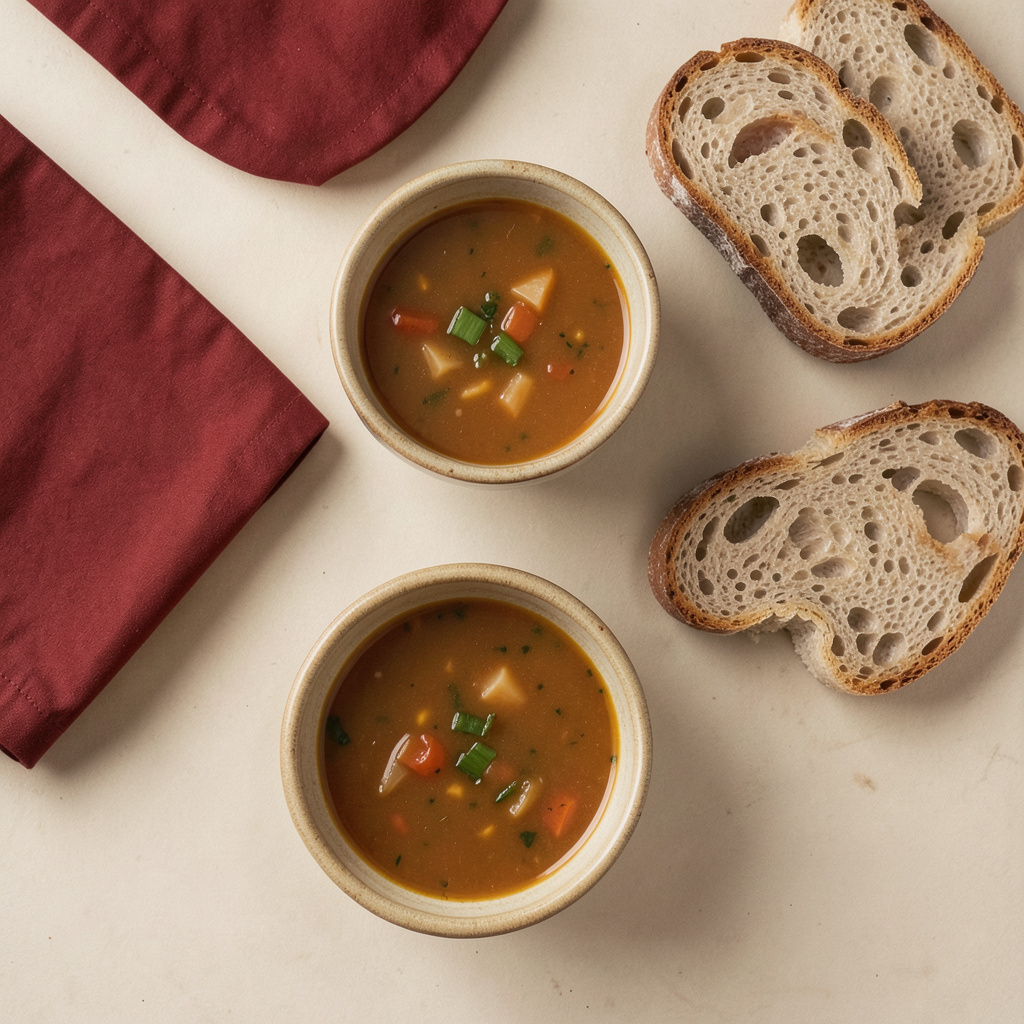
Crusty sourdough is useful for catching the juices left in the bowl. In Australia, a warm evening meal can be as simple as pasta, salad and a cold glass of sparkling water with lemon. If the weather is cooler, add a bowl of white beans or a few slices of toasted bread with olive oil.
For a more generous pasta night, serve the dish with grilled prawns, roast chicken or crisped pancetta prepared separately. The sauce itself remains fresh and light, so richer additions work best in modest portions.
The recipe is also easy to scale. For two people, use 250 grams of tomatoes and 250 grams of pasta. For a larger gathering, chop the tomatoes in batches and use a very large bowl so the pasta can be tossed without spilling.
Storage, Texture And Quick Comparisons
Raw tomato sauce is at its best on the day it is made. You can prepare the tomato mixture several hours ahead and refrigerate it, but let it come close to room temperature before combining it with the pasta. Chilled tomatoes can mute the flavour and make the olive oil seem thicker.
Leftovers keep for up to two days in an airtight container, although the pasta will absorb much of the sauce. Reheat gently in a pan or microwave with a splash of water. The texture will be softer, but a little fresh olive oil, basil and parmesan can bring it back to life.
| Method | Time Needed | Texture | Best Use |
|---|---|---|---|
| Raw chopped tomato sauce | 5 minutes, plus pasta cooking | Juicy and fresh | Summer weeknights |
| Quick pan-sautéed tomato sauce | 10–15 minutes | Softer and sweeter | Cooler evenings |
| Slow simmered tomato sauce | 30–60 minutes | Thick and concentrated | Batch cooking |
| Blended tomato sauce | 5–10 minutes | Smooth and silky | Children or a refined finish |
The raw version is the quickest and freshest, while a simmered sauce gives deeper sweetness. A blender is helpful when you prefer a smooth pasta coating, but chopping by hand keeps washing-up to a minimum and preserves the character of the tomatoes.
Save this recipe for the next evening when the cupboards look sparse and dinner needs to happen quickly. Keep tomatoes, pasta, olive oil and garlic on hand, then finish the bowl with whatever herbs, cheese or vegetables are available. A satisfying homemade meal can be ready before the kettle has finished boiling.
From the kitchen
Stay close to the kitchen
Sign up for occasional notes, seasonal recipes, and gentle reminders to cook something good.