
Enticing Healthy Eating is a quiet corner of the web devoted to good food made simply.
The site gathers recipes, ingredient notes, and gentle guidance for anyone who wants to bring a little more nourishment to the table. Browse at your own pace, and take what serves you.
Sautéed Greens with Garlic and a Splash of Balsamic
When the week stretches long and the fridge looks bare beyond a bunch of something green, a single pan can turn a handful of leaves into the most rewarding side dish of the night. There is a particular comfort in greens cooked just until they collapse, glistening, perfumed with garlic, and lifted by a dark thread of sweet-sour vinegar. The method is older than most recipes: warm fat, sliced allium, leaves, heat, finish. It rewards attention more than skill.
In Australian kitchens, where silverbeet, English spinach, kale, and bok choy rotate through the seasons and onto market stalls, this style of cooking feels especially natural. The southern hemisphere flips the calendar, so a winter bunch of cavolo nero in July or a January basket of tender spinach becomes the backdrop for slow braises and quick sautés alike. A simple green side respects whatever the garden or the nearest growers' market hands over that morning.
The dish earns its place beside roasted meats, pan-fried fish, or a bowl of warm grains. It also solves the problem of the wilting bunch hidden behind the milk. With a splash of good vinegar and a few cloves of garlic, what looked like compost becomes a glossy, savoury tangle that asks for nothing more than a fork and a hunk of bread.
Choosing the right leaves for the pan
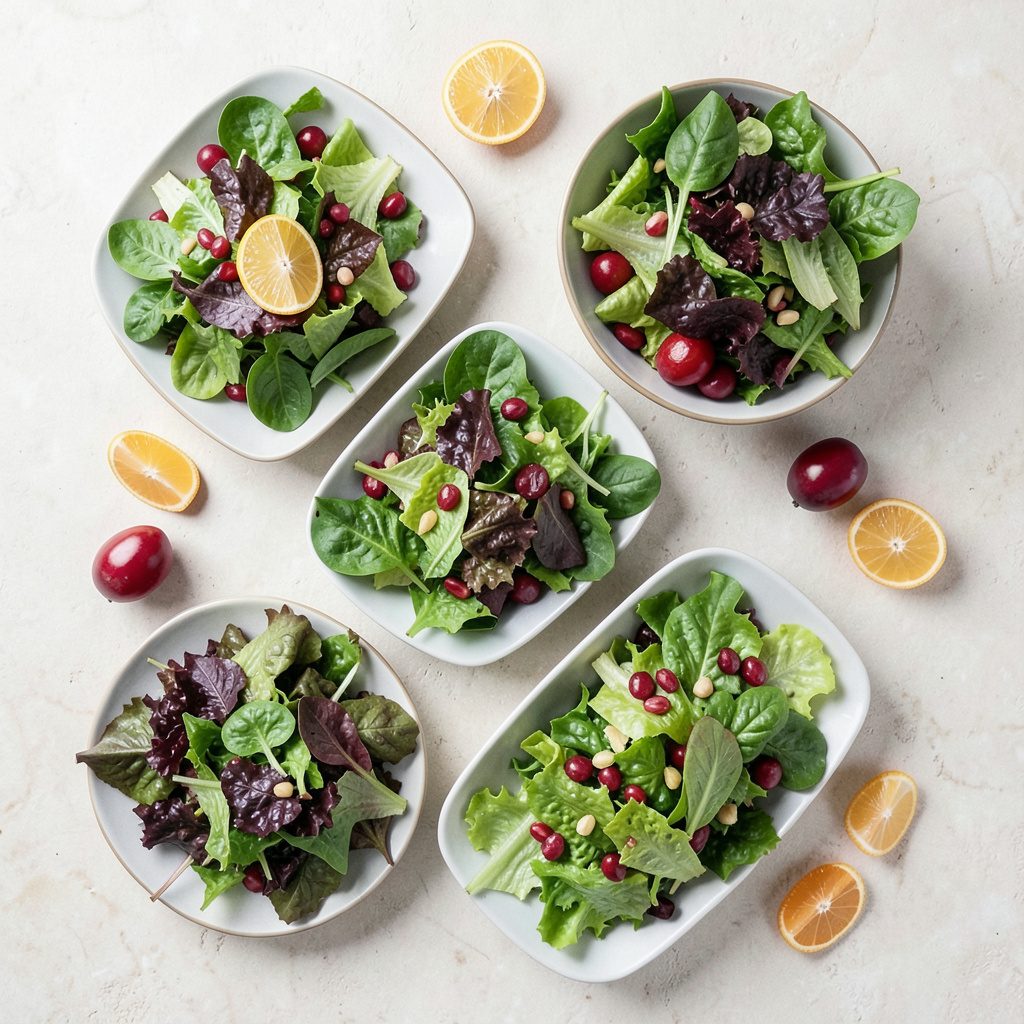
Not every green behaves the same way over heat. Tender spinach wilts in under a minute and barely needs a knife. Heartier leaves, like lacinato kale (often labelled Tuscan cabbage at greengrocers around Melbourne and Sydney), need their stems removed and a rougher chop before they will soften in a reasonable time. Silverbeet, that workhorse of Australian home gardens, splits cleanly into ribs and leaves, and each part deserves different treatment.
The simplest rule is to match cut to fibre. The thicker the stalk, the smaller the slice and the longer the cook. Young bok choy can be halved lengthwise and cooked whole, while mature rainbow chard benefits from a chiffonade of leaves and a separate, slower start for the stems. At weekend markets in Brisbane, Adelaide, or Fremantle, growers often hand over bunches with the roots still damp, and those freshly cut leaves need almost no trimming at all.
Washed and thoroughly dried greens sear rather than steam. A quick spin in a salad spinner or a long swing in a clean tea towel makes a measurable difference, especially with homegrown leaves that tend to hold more water than the pre-washed supermarket packs. Salt goes in early so it can draw out a little moisture and season every layer.
Building the aromatic foundation
The garlic is the soul of this dish, and how you slice it changes everything. Thinly shaved garlic melts into the oil and becomes sweet and almost nutty. Crushed cloves release more pungent oils and hold their shape. Either works, but the moment the slices turn pale gold, the pan is ready for greens; a breath longer and the flavour tips toward bitterness.
Olive oil is the traditional choice, though a knob of butter added at the end gives the finished greens a rounder, glossier finish. Australians with access to local extra virgin oils from producers in the Adelaide Hills, the Barossa, or Margaret River will notice how peppery, grassy oils play against the sweet acidity of aged balsamic. A neutral grapeseed or rice bran oil works perfectly well for those who prefer a quieter base on which to layer other flavours.
A pinch of red chilli flakes, a few anchovies melted into the warm oil, or a small pour of toasted sesame oil all sit comfortably alongside the garlic. Each adds a different personality, but none should compete with the leaves themselves. The greens are the headline; the aromatics are the supporting cast.
The balsamic finish and why it works
A good balsamic vinegar is dark, syrupy, and balanced between sweet and tart, with the kind of complexity that comes from years of slow ageing. It is not the same as the thin, sharp supermarket balsamic used for dressings, which can flatten a dish. A spoonful stirred in at the very end of cooking, once the heat is off, clings to every folded leaf and gives the whole pan a glossy sheen.
The reduction approach is worth knowing too. A small amount of vinegar simmered in the pan for thirty seconds before the greens go in concentrates the sugars and deglazes any browned garlic. The leaves then tumble through that syrup and absorb it quickly. Either way, the vinegar should be tasted first; some are saltier, some sweeter, and the quantity should adjust accordingly.
Balsamic vinegar also pairs beautifully with sweet condiments, which is why a small jar of something fruity on the table is never a bad idea. A spoonful of homemade strawberry preserves alongside savoury greens is unexpected, but the jammy sweetness plays against the vinegar in a way that surprises everyone at the table.
Pairings across the week
Sautéed greens slot into almost any meal that needs a vegetable, but a few combinations are worth calling out. They are the bright counterpoint to a rich main: think lamb cutlets from the butcher near Queen Victoria Market, a pan-seared salmon fillet, or a tray of roasted root vegetables glistening with their own caramelisation. They also pair thoughtfully with simple grains, tossed through warm farro or barley, or folded into a quick frittata the next morning.
For a complete plate that builds the same flavour logic, the greens can share the spotlight with one pan lemon herb chicken, where citrus, herbs, and gentle heat work in the same key. A bowl of butter beans with lemon, a slice of focaccia rubbed with tomato, or a simple risotto all welcome a tangle of these greens spooned over the top just before serving.
Pasta is another home for this technique. A bowl of orecchiette or pappardelle, a slick of olive oil, a scatter of toasted nuts, and a generous mound of garlicky greens becomes a complete meal. The leftovers, if any survive, fold into an omelette, stuff a sandwich, or top a grain bowl for lunch the next day without losing any of their appeal.
Variations worth exploring
The base method travels across cuisines with very little fuss. Swap the balsamic for soy sauce and a few drops of toasted sesame oil, and the dish becomes a quick Asian side that suits steamed dumplings or grilled fish. A squeeze of lemon and a pinch of cumin steers it toward a North African direction, particularly good with chickpeas and warm flatbread. A handful of currants and toasted pine nuts folded through at the end turns it into something almost Italian in feeling, even without a drop of vinegar.
Greens can be mixed in the pan too. Half spinach and half cavolo nero gives both the speed of one and the chew of the other. A few stems of sprouting broccoli or a handful of rocket stirred in right at the end brings a peppery lift. Cooked chickpeas or white beans added alongside the greens turn the side into a more substantial dish, and a crumble of feta or shaved parmesan on top closes the meal.
Seasonal shifts in Australia mean that some greens will always have their moment. Winter brings the darker, hardier leaves. Summer fills the basket with zucchini flowers, baby spinach, and the first tender bunches of silverbeet. Spring and autumn blur the two together. Treating the method as a template rather than a strict recipe is the most rewarding approach, because the dish is, at heart, simply a way of paying attention to whatever is at its peak.
| Green | Prep notes | Cook time | Flavour and texture |
|---|---|---|---|
| English spinach | Wash, drain well, no stems to remove | 1–2 minutes | Soft, mild, silky |
| Silverbeet (Swiss chard) | Separate stems; chop stems finely, leaves roughly | 3–5 minutes | Earthy, slightly mineral |
| Cavolo nero (Tuscan kale) | Strip leaves, slice into ribbons | 5–7 minutes | Robust, faintly sweet, chewy |
| Bok choy | Halve or quarter lengthwise | 3–4 minutes | Crisp stems, peppery leaves |
| Curly kale | Strip leaves, massage briefly with oil | 4–6 minutes | Bright, grassy, hearty |
A single plate of greens, treated with a little care, can hold its own against the grandest main on the table. Keep a bunch of something green in the fridge, a good olive oil within reach, and a bottle of balsamic vinegar on the shelf, and the rest is simply attention. Slice the garlic thin, warm the oil until it shimmers, and let the leaves wilt into a tangle. The splash of vinegar at the end is the small finishing move that pulls the whole pan together, and once it becomes habit, weeknight cooking feels a little more considered and a lot more delicious. Subscribe to the newsletter for seasonal recipes, market finds, and simple ideas to bring more whole food to the table all year round.
From the kitchen
Stay close to the kitchen
Sign up for occasional notes, seasonal recipes, and gentle reminders to cook something good.