Enticing Healthy Eating is a quiet corner of the web devoted to good food made simply.
The site gathers recipes, ingredient notes, and gentle guidance for anyone who wants to bring a little more nourishment to the table. Browse at your own pace, and take what serves you.
Soft And Chewy Oatmeal Raisin Cookies Without Refined Sugar
These soft and chewy oatmeal raisin cookies are made for the everyday biscuit tin: warmly spiced, tender in the centre and pleasantly crisp around the edges. Mashed banana, soft dates and a little pure maple syrup provide sweetness without using white sugar, brown sugar or golden syrup.
Rolled oats bring a hearty texture, while wholemeal flour gives the cookies a gently nutty flavour. They are simple enough for a weekend bake and sturdy enough for a lunchbox, with ingredients that are easy to find at Australian supermarkets, bulk-food shops and local farmers’ markets.
| Sweetening approach | Texture | Flavour | Best feature |
|---|---|---|---|
| Dates, banana and maple syrup | Soft and chewy | Caramel-like with gentle fruitiness | No refined sugar |
| Brown sugar and golden syrup | Chewy with crisp edges | Deep molasses flavour | Traditional biscuit taste |
| Banana alone | Very soft and cakey | Strong banana flavour | Useful for reducing added sweetener |
| Honey and dried fruit | Moist and tender | Floral and fruity | Quick pantry substitution |
Ingredients For Tender Oat Cookies
Use fresh rolled oats rather than quick oats for the most satisfying chew. Quick oats absorb liquid rapidly and can make the biscuits soft in a cakey way, while rolled oats hold their shape and create those recognisable textured oat flakes. Choose wholemeal plain flour for extra flavour, or use regular plain flour for a lighter crumb.
For 12 cookies, you will need 175 g pitted Medjool dates, one very ripe banana weighing about 120 g without its peel, 80 ml pure maple syrup, 80 g melted unsalted butter, one large egg, one teaspoon vanilla extract, 150 g rolled oats, 120 g wholemeal plain flour, one teaspoon ground cinnamon, half a teaspoon bicarbonate of soda and half a teaspoon fine salt. Add 120 g raisins, sultanas or a mixture of both.
The dates should be soft and sticky. If they feel firm, cover them with boiling water for 10 minutes, then drain well. Australian recipes often use “sultanas” for the lighter, plumper dried grape, while “raisins” usually means darker dried grapes. Either works here. For a slightly more grown-up flavour, soak the dried fruit in hot tea for 10 minutes and pat it dry before adding it.
Butter gives the best traditional biscuit flavour, although melted virgin coconut oil can be used for a dairy-free version. If using coconut oil, choose one without a strong coconut aroma if you want the cinnamon and fruit to lead the flavour.
How To Make The Cookie Dough
Heat the oven to 175°C conventional or 160°C fan-forced. Line two flat baking trays with baking paper. In a food processor, blend the softened dates, banana and maple syrup until thick and mostly smooth. A few tiny pieces of date are welcome and will melt into chewy pockets during baking.
Stir the date mixture into the melted butter, egg and vanilla. In a separate large bowl, combine the rolled oats, flour, cinnamon, bicarbonate of soda and salt. Pour the wet mixture into the dry ingredients and stir until no dry flour remains. Fold through the raisins or sultanas, taking care not to overmix.
Leave the dough to stand for 15 minutes. This short rest allows the oats to absorb some moisture and helps the cookies hold their shape. The mixture will be soft and sticky, but it should be scoopable. If your banana was particularly large, add one or two tablespoons of oats; if the dough seems dry, add a splash of milk.
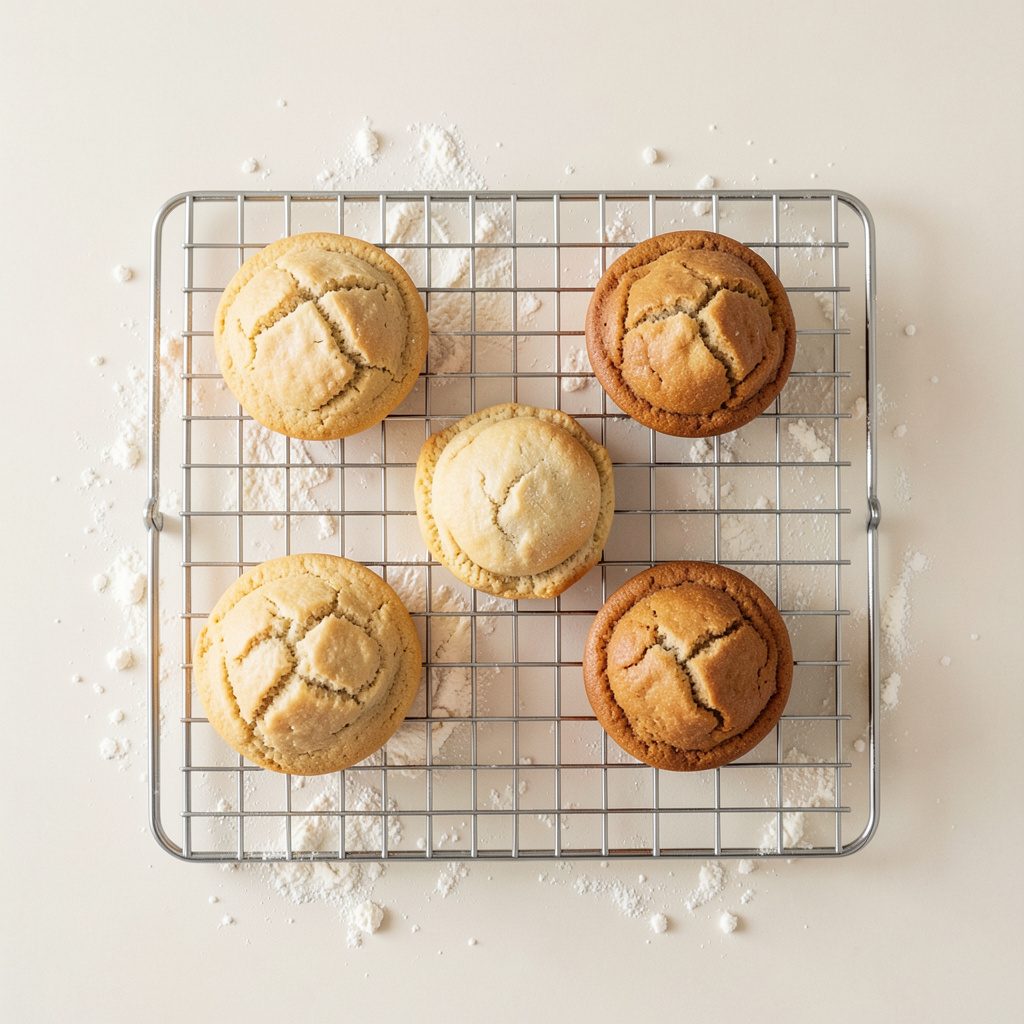
Scoop heaped tablespoons of dough onto the prepared trays, leaving about 5 cm between each one. Flatten each mound slightly with damp fingers because these cookies spread only a little. Bake for 12–15 minutes, swapping the trays halfway through if your oven has hot spots. They are ready when the edges look set and lightly golden while the centres still appear soft.
Getting A Soft And Chewy Centre
The key to a tender centre is removing the cookies from the oven before they look completely finished. They will continue cooking on the hot tray for several minutes. Leave them in place for 10 minutes, then transfer them to a wire rack. Moving them too soon can cause the soft centres to break.
For extra chew, use a ripe banana with plenty of brown speckles and avoid adding too much flour. Dates contribute sticky moisture and a caramel-like taste, while raisins become plump as they bake. A tablespoon of chia seeds or ground linseed can be added, but it will thicken the dough and may make the cookies slightly denser.
Oven behaviour varies, particularly between older Australian electric ovens and newer fan-forced models. In a warm Brisbane or Perth kitchen, melted butter may remain very fluid and the dough can feel looser. In a cool Melbourne or Hobart kitchen, the dough may firm up quickly. The 15-minute resting time helps balance these differences, but use the appearance of the biscuits as your final guide.
If you prefer a thicker cookie, chill the shaped dough for 20–30 minutes before baking. For flatter, more delicate edges, bake immediately. Either way, avoid pressing the dough completely flat, as a little height protects the middle from drying out.
Sensible Swaps And Allergen Notes
To make the recipe egg-free, replace the egg with one tablespoon of chia seeds mixed with three tablespoons of water. Let the mixture stand for 10 minutes until gel-like, then add it with the wet ingredients. The biscuits will be slightly more rustic but should still hold together well. Dairy-free margarine can replace the butter, though check that it is suitable for baking.
For a nutty variation, stir through 60 g chopped walnuts or pecans. Pumpkin seeds or sunflower seeds work well when nuts are unsuitable. Dark chocolate pieces can be used in place of some of the dried fruit, but choose a product without refined sugar only if that is important for your dietary needs.
Oats are naturally free from wheat, but many commercial oats are processed alongside cereals containing gluten. Do not describe these cookies as gluten-free unless every ingredient is certified suitable and cross-contact has been considered. If you bake for a school lunchbox, check the school’s allergy policy before adding nuts.
For packaged gifts or home food sales, Australian allergen declarations are governed by Food Standards Australia New Zealand requirements. Wheat, milk and egg should be clearly identified where relevant, and any substitute ingredients need checking on their labels. A plain-language note such as “contains wheat, milk and egg” is useful when sharing a batch with neighbours, colleagues or friends.
Storing And Serving The Biscuits
Once completely cool, store the cookies in an airtight container at room temperature for up to four days. Because the recipe contains banana and dates, they stay soft but are more perishable than a dry, crisp biscuit. In hot weather, especially during an Adelaide or Sydney summer, keep them away from direct sun and consider refrigerating them after the first day.
Chilled cookies become firmer, so let them stand at room temperature for 15 minutes before serving. They can also be warmed for a few seconds in the microwave, which makes the raisins soft and brings out the cinnamon aroma. For longer storage, freeze the baked biscuits in a sealed container for up to two months, separating layers with baking paper.
You can freeze unbaked scoops of dough as well. Arrange them on a tray until firm, then transfer them to a freezer bag. Bake from frozen at the same temperature, adding two or three minutes to the cooking time. This is handy for school mornings, unexpected visitors or a quiet afternoon when you want the smell of fresh baking without making a whole batch.
Serve the cookies with a cup of tea, a flat white or a glass of cold milk. They also make a comforting addition to an Australian-style afternoon tea spread alongside sliced seasonal fruit. The flavour becomes slightly richer the next day, when the cinnamon, oats and dried fruit have had time to settle together.
Bake a batch for the biscuit tin and keep a few portions of dough in the freezer for an easy homemade treat. These wholesome oatmeal cookies bring together pantry staples, Australian-friendly measurements and naturally sweet fruit in a bake worth returning to.
From the kitchen
Stay close to the kitchen
Sign up for occasional notes, seasonal recipes, and gentle reminders to cook something good.