Enticing Healthy Eating is a quiet corner of the web devoted to good food made simply.
The site gathers recipes, ingredient notes, and gentle guidance for anyone who wants to bring a little more nourishment to the table. Browse at your own pace, and take what serves you.
Cooking Dried Beans from Scratch: A Practical Guide for the Home Pantry
Cooking dried beans from scratch is one of those quiet kitchen rituals that transforms an ordinary weeknight dinner. The texture turns out creamier, the flavour deeper, and the cost per serve drops noticeably compared to the tinned versions stacked in the soup aisle. For anyone trying to build a more wholesome pantry, learning the rhythm of a slow-simmered pot is well worth the small learning curve.
Australians are fortunate to have a strong range of dried legumes on offer, from the everyday black bean used on nacho night to heritage borlotti beans grown on small South Australian farms. Whether you have just picked up a kilo bag at a farmers' market in the Adelaide Hills or pulled a forgotten packet from the back of the cupboard, the process stays reassuringly simple once the basics are understood. This guide walks through every step, with practical notes on methods, flavour building, and the small adjustments that turn grainy or stodgy beans into something properly spoon-tender. If you would like more ideas for turning these into full meals, the Enticing Healthy Eating site has a generous archive of bean-led recipes worth bookmarking.
Why Cook Dried Beans in the First Place
The case for dried over tinned starts with cost. A kilogram bag of dried cannellini beans from the bulk section of Woolworths or Coles typically runs around six to eight Australian dollars and yields roughly six to seven cooked cups, working out to less than a third of the price of the equivalent tinned product. The flavour difference is harder to put a number on, but beans cooked from dry tend to taste fresher, slightly nuttier, and take on seasoning more willingly than their canned cousins.
There is also the matter of control. When you cook from scratch, you decide how much salt goes in, whether to add aromatics, and how soft the final texture ends up. You avoid the lining of tinned cans, reduce packaging waste, and end up with a pot of cooking liquid that doubles as a light stock for soups, risottos, or braises. For anyone leaning toward a slower, more intentional style of home cooking, the swap is an easy win.
Bean Varieties Worth Keeping in the Pantry
Most Australian pantries benefit from a small rotation rather than a single bag. Cannellini and great northern beans are gentle and creamy, making them ideal for soups and purees. Black beans hold their shape well and suit Latin-inspired bowls, while chickpeas are versatile enough for curries, salads, and of course, homemade hummus. Borlotti beans, sometimes sold as cranberry beans, have a soft, nutty quality and pair beautifully with slow-cooked meats or vegetable stews.
For those keen to support local growers, several South Australian and Victorian producers now supply dried heritage varieties through farmers' markets and online stores. Adzuki, mung, and fava beans are worth experimenting with once the basics are mastered. Lentils deserve a separate mention: they do not require soaking and cook in around twenty minutes, which makes them perfect for last-minute meals when the fridge looks bare.
Prep Work: Sorting, Rinsing, and Soaking
Before any cooking begins, tip the beans onto a tray and pick through them, removing any small stones, shrivelled beans, or bits of debris. This step is quick and prevents an unpleasant crunch later. Rinse the beans thoroughly under cool running water, then decide on your soaking method.
The overnight soak is the most forgiving. Cover the beans with about five centimetres of cold water and leave them on the bench for eight to twelve hours. A teaspoon of salt in the soaking water helps season the beans all the way through and can reduce cooking time slightly. If time is short, the quick-soak method works well: bring the beans and water to a boil, boil for two minutes, then turn off the heat, cover, and let them rest for an hour. Both approaches reduce phytic acid and lead to more even cooking, which matters in areas with hard water where minerals can toughen the skins.
Building Flavour as They Simmer
Plain boiled beans are useful, but a few aromatics turn them into something memorable. A halved brown onion, a couple of crushed garlic cloves, a bay leaf, and a small bundle of thyme or parsley stems added to the pot at the start of simmering all contribute depth. A strip of kombu seaweed is a traditional addition that brings umami and may help with digestibility, particularly for chickpeas.
Salt is best added towards the end of cooking, around the final fifteen minutes. Adding it too early can toughen the skins and slow the cooking process. Acidic ingredients like tomatoes, lemon juice, or vinegar should be held back until the beans are fully tender, as acid prevents them from softening properly. Once cooked, a generous drizzle of good olive oil, a handful of chopped herbs, and a pinch of flaky salt can transform a simple bowl of beans into something genuinely satisfying.
Cooking Methods for Every Kitchen Setup
The stovetop remains the most reliable method for most home cooks. Drain the soaked beans, place them in a heavy pot, and cover with fresh water by about three centimetres. Bring to a gentle boil, reduce to a low simmer, and partially cover. Skim any foam that rises in the first ten minutes, then leave them to cook undisturbed. Cooking times vary: chickpeas take around ninety minutes, black beans about sixty, and cannellini somewhere in between.
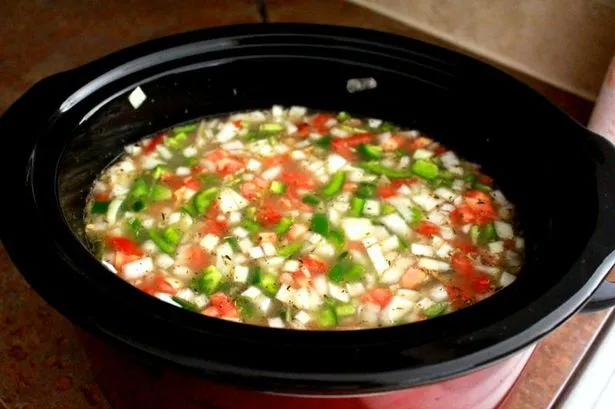
A slow cooker is a good option for hands-off cooking, though it is worth noting that beans can sometimes turn mushy if left too long on high. A stovetop pressure cooker, still common in many Australian kitchens, cuts cooking time dramatically. An electric multi-cooker offers the most convenience: set it, walk away, and return to perfectly tender beans.
| Method | Approx. Cook Time | Hands-On Effort | Best For |
|---|---|---|---|
| Stovetop simmer | 60–120 minutes | Low, occasional skimming | Large batches, best texture |
| Slow cooker (low) | 6–8 hours | Very low | Overnight cooking, set-and-forget |
| Electric pressure cooker | 25–40 minutes | Minimal | Weeknights, smaller batches |
| Stovetop pressure cooker | 15–25 minutes | Moderate | Fastest result, traditional method |
Storing, Freezing, and Using Up Leftovers
Cooked beans keep in the fridge for around four to five days in a sealed container, ideally with a little cooking liquid to keep them moist. For longer storage, freeze them in two-cup portions, either in zip-lock bags laid flat or in small containers. The cooking liquid freezes well too and can be used later as a base for soups or grain dishes.
Leftover beans are wonderfully versatile. Blend them with garlic, lemon, and tahini for a quick dip, toss them through grain salads, or fold them into veggie burgers. A simple bowl of warmed beans over toast, finished with olive oil and a splash of vinegar, makes a satisfying lunch that costs very little to put together. Bean cooking water, often tipped down the sink, deserves a second look: it contains starch, flavour, and protein, and works beautifully as a stock or as the liquid for baking bread.
When Things Don't Go to Plan
A few common problems have straightforward solutions. If beans remain hard after a long simmer, the cause is often old beans, which take far longer to soften no matter the method. The fix is to keep cooking, perhaps adding a pinch of baking soda to the water to help break them down, though too much will make them mushy and taste soapy.
If beans fall apart before they are done, the heat was likely too high, or the simmer went on too long. Lower the temperature next time and check tenderness at regular intervals. A bitter taste usually points to undercooked beans or hard water; filtering the soaking and cooking water can help. Excessive foam and overflow is the result of starch releasing too quickly, and is managed by a gentler initial boil and steady skimming during the first ten minutes of cooking.
Cooking dried beans from scratch rewards patience in ways that few other pantry staples do. The humble bag on the shelf becomes a week of nourishing meals, from slow-simmered stews to quick midweek salads, with very little waste and even less expense. Once the rhythm of soaking, simmering, and seasoning feels familiar, going back to the tinned aisle becomes difficult to justify. Pick up a bag of cannellini or chickpeas on your next grocery run, set aside an hour on a quiet afternoon, and let a pot of beans quietly do its work.
From the kitchen
Stay close to the kitchen
Sign up for occasional notes, seasonal recipes, and gentle reminders to cook something good.