Enticing Healthy Eating is a quiet corner of the web devoted to good food made simply.
The site gathers recipes, ingredient notes, and gentle guidance for anyone who wants to bring a little more nourishment to the table. Browse at your own pace, and take what serves you.
How to Make Vegetable Broth and Why It Is Worth It
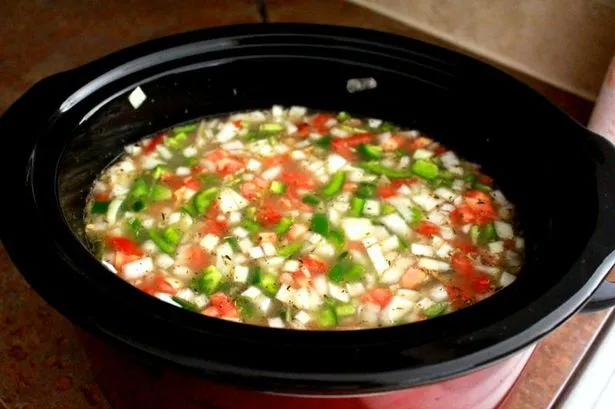
A pot of homemade vegetable broth turns everyday kitchen scraps into something deeply useful. Onion ends, carrot peelings, celery leaves and herb stems can simmer into a fragrant base for soups, risottos, sauces and grains. The result is lighter and fresher than many packaged stocks, with a flavour you can adjust to suit the meal.
Making your own broth also gives you control over salt and ingredients. Many commercial stock cubes are very salty, while some cartons contain added sugar, flavour enhancers or ingredients that do not suit particular dietary needs. A homemade version can be completely plant-based, gluten-free and free from unnecessary additives.
The process is especially handy in an Australian kitchen, where fresh produce is available year-round through supermarkets, greengrocers and weekend farmers’ markets. Whether you are using pumpkin from a local grower, herbs from a balcony pot or vegetable trimmings from the weekly shop at Coles or Woolworths, very little needs to go to waste.
Vegetable broth is also practical for batch cooking. Make a large pot on a cool Melbourne evening, chill it for the week, and freeze the rest in small portions. Once you have a supply ready to use, adding flavour to a quick dinner becomes much easier.
What Goes Into a Flavourful Vegetable Broth
A balanced broth needs aromatic vegetables, herbs, water and enough cooking time for their flavours to mingle. Onion, carrot and celery form the classic base, often called a mirepoix. Garlic, leek tops, parsley stems, thyme, bay leaves and black peppercorns add extra depth without making the broth heavy.
Keep a container in the freezer for suitable vegetable scraps. Clean carrot peelings, mushroom stems, the green parts of leeks, celery leaves, corn cobs and the stalks from leafy greens are all useful. Rinse scraps before storing them, especially if they contain soil, and avoid adding anything mouldy or spoiled.
Some vegetables can overpower the pot. Large amounts of cabbage, Brussels sprouts, broccoli, cauliflower or bitter greens may create a strong sulphurous flavour. Beetroot can turn the broth an intense colour, while potato peelings can make it cloudy and starchy. These ingredients are not unusable, but they are best added sparingly.
Preparing Scraps Without Creating Waste
Save scraps as you cook rather than peeling vegetables specifically for broth. A reusable freezer bag or lidded container works well. Add trimmings over several days, then cook the broth when the bag is full. This habit makes the process feel almost effortless and helps stretch the value of fresh produce.
Use the clean parts that you would otherwise discard, including herb stalks and the tough ends of spring onions. Wash scraps before freezing if they are gritty. There is no need to chop everything finely, although large pieces can be cut down so they fit comfortably in the pot and release their flavour more evenly.
For a richer result, sauté or roast the vegetables first. Cook onion, carrot, celery and mushrooms in a little olive oil until lightly browned, or roast them at about 200°C until golden around the edges. This extra step brings out sweetness and gives the finished stock a deeper, more savoury character.
The Best Method for Your Kitchen
The stovetop is the simplest approach. Place the vegetables in a large pot, cover them with cold water and bring the liquid to a gentle simmer. Leave the lid slightly ajar and cook for 45 minutes to 1 hour. A hard boil is unnecessary because it can make the broth cloudy and break the vegetables apart.
A slow cooker is convenient when you want to leave the broth unattended. Add the vegetables and water, then cook on low for 6 to 8 hours. The gentle heat produces a mellow flavour and is useful during a busy week. A pressure cooker can produce a good result in around 30 minutes, followed by natural pressure release, though the flavour may be slightly less rounded than a long simmer.
| Method | Cooking time | Best feature | Useful note |
|---|---|---|---|
| Stovetop | 45–60 minutes | Quick and easy to monitor | Keep the liquid at a gentle simmer |
| Slow cooker | 6–8 hours | Convenient and hands-off | Do not overfill with water |
| Pressure cooker | About 30 minutes | Fast, concentrated cooking | Allow natural pressure release |
| Roasting first | Add 30–40 minutes | Deep, caramelised flavour | Ideal for winter soups and gravies |
Whichever method you choose, strain the broth through a fine sieve when the vegetables are soft and the liquid smells aromatic. Press gently on the solids to extract liquid, but avoid crushing them too aggressively if you want a clearer broth.
How to Build More Depth
Salt is best added when you use the broth in a recipe rather than during cooking. Unsalted broth is more versatile because it can reduce in a sauce without becoming too salty. If you plan to drink the broth or serve it as a simple soup, season it in the bowl with sea salt, pepper, lemon juice or a splash of soy sauce.
A teaspoon of tomato paste, a few dried mushrooms or a strip of kombu can add savoury depth. Nutritional yeast gives a gentle cheesy note, while roasted garlic creates sweetness. Use these additions according to the meals you have in mind, keeping the base flexible enough for different cuisines.
For an Australian flavour pantry, try coriander roots, ginger, lemongrass or a small piece of native pepperberry if you have access to them. These ingredients can take the broth towards an aromatic base for noodle soups or rice dishes. Local farmers’ markets may offer unusual herbs and seasonal vegetables that are ideal for experimenting.
Storing Broth Safely
Cool the broth promptly after straining. Transfer it to shallow containers and place them in the refrigerator once the steam has reduced, rather than leaving a large hot pot on the bench for hours. Homemade broth keeps in the fridge for about 3 to 4 days when stored in a sealed container.
For longer storage, freeze the broth in measured portions. Ice cube trays are useful for adding small amounts to pan sauces, while 250 ml containers suit soups, couscous and grains. Leave a little room at the top of each container because liquid expands as it freezes.
Label containers with the date and amount. Frozen broth is best used within about 3 months for fresh flavour, although it may remain safe longer if kept consistently frozen. Defrost it in the fridge overnight or warm it gently in a saucepan. Avoid repeatedly cooling and reheating the same batch.
Ways to Use Every Batch
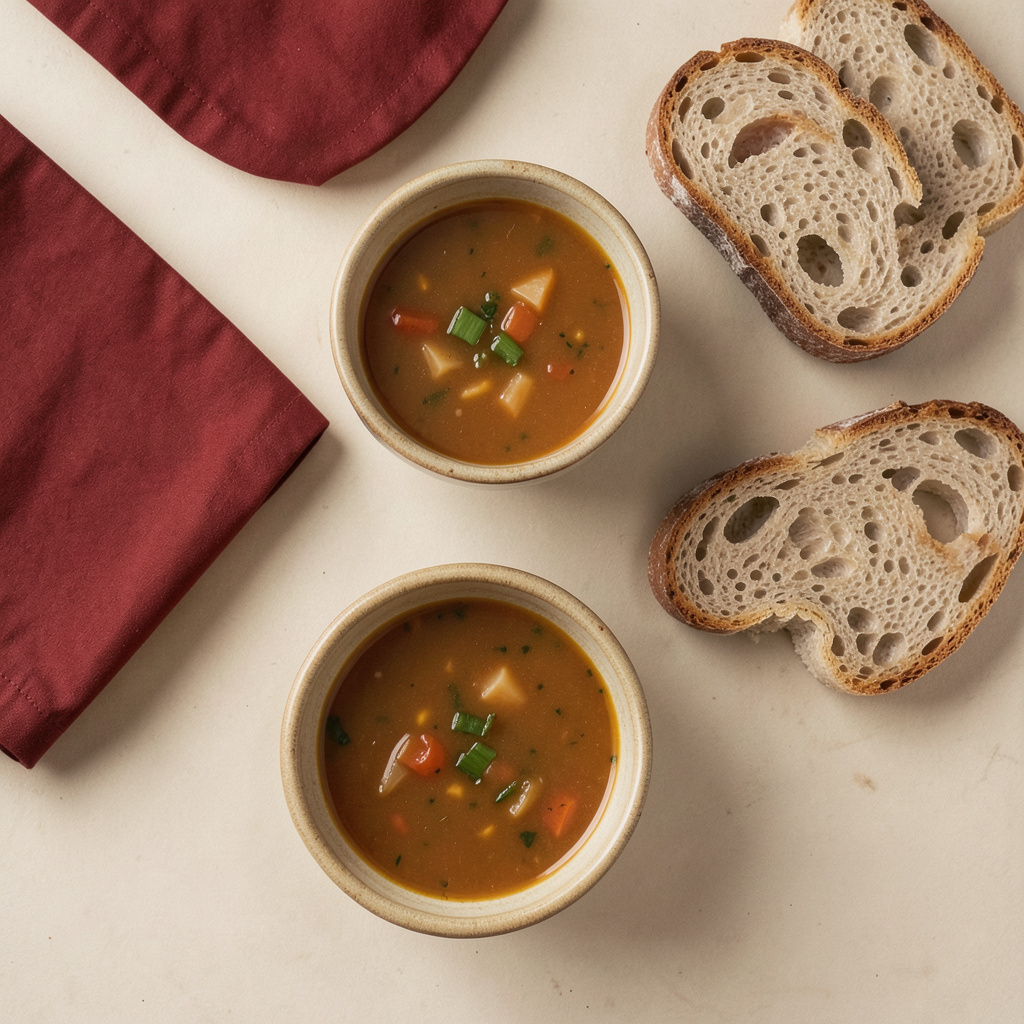
Vegetable broth can replace water when cooking rice, quinoa, barley, couscous or polenta. It makes a noticeable difference to simple dishes, especially when the grain absorbs the liquid. Use it as the starting point for minestrone, lentil soup, pumpkin soup, noodle bowls or a creamy vegetable stew.
It is particularly helpful for risotto because it can be kept warm in a separate saucepan and added gradually. Broth also loosens pan-fried vegetables, forms the base of a quick gravy and adds moisture to baked beans or chickpeas. Even a small frozen cube can lift the flavour of a weeknight tomato sauce.
A concentrated broth can be reduced further and frozen in tablespoon-sized portions. This creates a handy homemade seasoning for meals that need a savoury boost. If you make a large batch after visiting a farmers’ market, use the freshest vegetables first and reserve the tougher, less delicate scraps for the stock pot.
Common Mistakes to Avoid
The most common mistake is using too much water. The vegetables should be covered, but an oversized pot filled to the brim can produce a thin, bland result. Start with enough water to submerge the scraps and add more only if necessary during cooking.
Another mistake is simmering for too long. Vegetable broth does not need the extended cooking time used for meat-based stock. After several hours, delicate herbs may taste dull and brassicas can become bitter. Straining the broth once it smells full and pleasant gives a cleaner result.
Do not treat every scrap as suitable. Avoid onion skins that are dirty, vegetable pieces coated with oil or sauce, and anything past its best. Keep the flavour profile in mind as well: a broth made mostly from carrot and sweet pumpkin will be naturally sweet, while one heavy with mushroom stems will be darker and earthier.
Start with one modest batch using onion, carrot, celery, garlic, parsley stems and bay leaf. Strain it, taste it and note which ingredients you enjoyed. Then adjust the next batch to match the food you cook most often.
Make a container for clean vegetable trimmings this week and turn it into broth before the scraps are forgotten. Pour the finished stock into soups, grains or sauces, freeze a few portions, and keep the rest ready for the next nourishing homemade meal.
From the kitchen

Stay close to the kitchen
Sign up for occasional notes, seasonal recipes, and gentle reminders to cook something good.