Enticing Healthy Eating is a quiet corner of the web devoted to good food made simply.
The site gathers recipes, ingredient notes, and gentle guidance for anyone who wants to bring a little more nourishment to the table. Browse at your own pace, and take what serves you.
Crispy Roast Chicken for a Slow Australian Sunday
Sunday roasts are a quiet ritual in many Australian homes, from the inner-west terraces of Sydney to weatherboard cottages overlooking Hobart's waterfront. A golden roast bird with shatteringly crispy skin is the kind of centrepiece that draws everyone to the table without much ceremony. The smell of rosemary, lemon, and rendered chicken fat drifting through the kitchen is often the only invitation anyone needs.
Learning to roast your own whole chicken with crispy skin at home, rather than relying on the supermarket deli, gives you control over the seasoning, the quality of the meat, and the deeply savoury aroma you simply cannot buy. The best part is that a beautifully cooked bird is well within reach for any home cook, even on a busy weeknight. A handful of ingredients, a little patience, and a handful of reliable techniques are all that is required.
Choosing Your Bird
Australian shoppers have an excellent range of free-range and organic poultry available, with labels like RSPCA Approved, Australian Certified Organic, and pasture-raised offering genuine choices. The best selection is often found at independent butchers or farmers markets, where the producer can usually be traced back to a single farm. In Melbourne, the poultry stalls at the Queen Victoria Market will happily walk you through their suppliers, while in Brisbane the Jan Powers Farmers Markets often feature small-batch growers from the Darling Downs.
Aim for a bird between 1.6 and 1.8 kilograms, which serves four generously with leftovers for sandwiches or a quick midweek soup. Anything much larger tends to dry out before the skin can crisp properly, while smaller birds cook too quickly to develop real flavour. Look for plump flesh, a fresh clean scent, and skin that is intact and slightly translucent rather than yellowed or bruised. If you can, choose a bird that has been dry-aged for a few extra days; the deeper flavour is well worth the small premium.
Drying the Skin
The single biggest secret to glass-like crispy skin is removing surface moisture. Pat the chicken thoroughly dry with paper towels, both inside the cavity and across every part of the skin, then place it uncovered on a wire rack set over a tray in the fridge. Leave it for several hours, or even overnight, allowing the cold dry air to draw out moisture that would otherwise steam the skin in the oven.
In Australia's warmer regions, particularly during Brisbane's sticky summer evenings or a Darwin wet-season afternoon, overnight refrigeration in a cool kitchen does the job perfectly. If your fridge is crowded, a few hours will still help, though a full overnight rest delivers the best result. The drier the skin, the more effectively the underlying fat can render and puff into those delicate, crackling shards that make a roast chicken truly memorable.
Seasoning and Trussing
Seasoning is where you can play with familiar flavours without overcomplicating the dish. Salt the cavity generously and rub the skin with olive oil or softened butter, then season the outside liberally with sea salt and freshly cracked pepper. Tuck lemon halves, a head of garlic cut in half, and a few sprigs of fresh herbs into the cavity; thyme, rosemary, sage, or even native lemon myrtle all work beautifully alongside roast poultry. Tasmanian-grown thyme tends to be particularly robust, and a little goes a long way.
Trussing helps the bird cook evenly while keeping the breast meat juicy. Tie the legs together with kitchen twine and tuck the wing tips behind the body so they do not scorch against the hot oven walls. If you would rather skip the tying, simply pressing the legs towards the centre of the bird gives a very similar result. Some cooks swear by sliding a spoon under the skin of the breast to gently loosen it, then rubbing seasoned butter directly onto the meat for extra richness.
Roasting at the Right Temperature
A tried-and-true method favoured in Australian test kitchens is to start with a hot blast before lowering the temperature for the remainder of the cooking time. This two-stage approach gives you a deeply bronzed, almost lacquered exterior without sacrificing moisture in the breast. Placing the bird on a bed of root vegetables or a wire rack set over the pan helps air circulate, encouraging even browning all the way around.
| Method | Initial Temp | Final Temp | Cooking Time (1.7kg) | Skin Result | Breast Juiciness |
|---|---|---|---|---|---|
| Hot start, lower finish | 220°C | 180°C | 1 hour 10 mins | Very crispy, golden | Moist |
| Steady moderate | n/a | 180°C | 1 hour 20 mins | Evenly golden | Very moist |
| Spatchcocked, high heat | 230°C | 220°C | 50 minutes | Crackling, dark | Slightly drier |
| Slow and gentle | n/a | 160°C | 2 hours | Pale, soft | Extremely moist |
Use a meat thermometer to check doneness rather than relying solely on time. The thickest part of the thigh should reach 75°C, while the juices should run clear when pierced at the joint. Basting every 30 minutes with the pan juices adds colour and flavour, though it is not strictly necessary if the skin was dried thoroughly beforehand.
Resting and Carving
Once the chicken comes out of the oven, leave it on a warm board or platter for at least 15 minutes, loosely tented with foil if your kitchen is on the cooler side. This pause allows the muscle fibres to relax and reabsorb the juices, which would otherwise flood the carving board. In Hobart or Melbourne's winter, your kitchen may be cool enough that tenting is not needed at all, while in tropical Darwin you might want to keep the foil a little looser to stop condensation dripping back onto the crisp skin.
Begin carving by removing the legs, slicing through the joint where the thigh meets the body. Separate the drumstick from the thigh if you like, then move on to the breast, slicing against the grain in even pieces from the outer edge inwards. Arrange everything on a warm platter with the crispest skin pieces placed on top, scatter a few fresh herb leaves over the surface, and bring the whole thing to the table with a little jug of warm pan juices on the side.
Serving and Bringing It to the Table
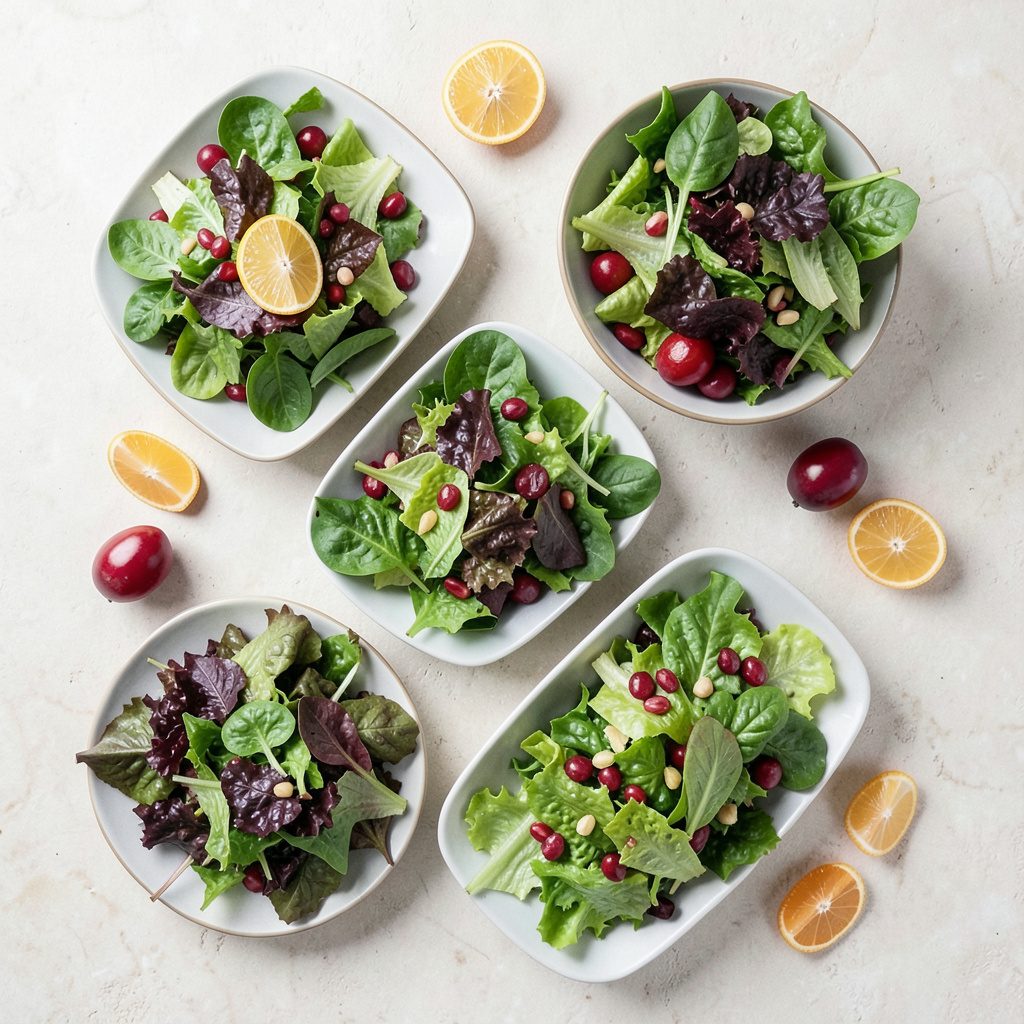
Classic Aussie sides include a crisp green salad dressed simply with olive oil, lemon, and flaky salt, alongside roasted pumpkin or sweet potato finished with a drizzle of bush honey. In summer, a tomato and basil salad captures the season perfectly, while in the cooler months, creamy mashed potatoes and buttered peas or silverbeet complete the plate. Spooning the golden pan juices over the carved chicken gives you an instant gravy without any extra pots to wash at the end of the meal.
Leftover meat keeps beautifully in the fridge for three to four days and is endlessly versatile. Shred it into sandwiches with mayo, avocado, and peppery rocket, or simmer the carcass with onion, carrot, celery, and a bay leaf to make a deeply nourishing stock. A simple chicken and barley soup finished with parsley, lemon zest, and a swirl of olive oil is the kind of comforting dish that carries you through a long Monday. For those evenings when friends gather around the table, a relaxed roast keeps the mood unhurried — much like the steady, friendly pacing found at online blackjack etiquette tables, where good company and easy manners matter far more than any rush. Pour yourself a glass of something cold, pull the roast from the oven, and let the rest of the afternoon take care of itself.
From the kitchen
Stay close to the kitchen
Sign up for occasional notes, seasonal recipes, and gentle reminders to cook something good.