
Enticing Healthy Eating is a quiet corner of the web devoted to good food made simply.
The site gathers recipes, ingredient notes, and gentle guidance for anyone who wants to bring a little more nourishment to the table. Browse at your own pace, and take what serves you.
Spiced Carrot and Ginger Muffins with Whole Wheat Flour
There's something quietly wonderful about the smell of carrot and ginger muffins drifting through a kitchen on a cool morning. The warm notes of cinnamon and grated root spices mingle with the gentle sweetness of honey or brown sugar, and the result is a muffin that feels both nourishing and indulgent. Using whole wheat flour deepens that feeling, giving the crumb a rustic, nutty backbone rather than the airy, sometimes hollow texture of highly refined bakes. It's a small adjustment that nudges a familiar bake into something that genuinely sustains you.
In a country where bakery runs are a daily ritual — from the corner café in Fitzroy to the suburban Coles bakery aisle — homemade muffins carry a particular charm. They slice neatly into lunchboxes, pair with a flat white for an arvo break, and hold their own beside a steaming mug of tea during a wet weekend in Hobart or a chilly morning in Ballarat. The carrot-and-ginger combination bridges sweet and savoury in a way that feels modern but familiar, drawing on the warming flavours that have travelled along spice routes and settled comfortably into Australian home kitchens.
What makes these spiced carrot and ginger muffins especially appealing is the balance they strike. The grated carrot softens as it bakes, releasing a quiet earthy sweetness, while fresh ginger brings brightness and a slow-building warmth. A teaspoon of cinnamon, a pinch of nutmeg, and a whisper of cardamom round out the spice profile, creating something that tastes layered rather than one-note. Combined with whole wheat flour and a modest amount of unrefined sweetener, the muffins work as a snack, a breakfast on the run, or a small treat after dinner without leaving you in a sugar slump.
A humble root, imagined anew
Carrots have always been a quiet workhorse in Australian pantries, tucked into roasts, simmered into soups, and grated raw into slaws. Yet their natural sweetness makes them a secret ally in baking, where they melt into batters and lend a tender crumb that butter alone struggles to achieve. The sugar content in carrots caramelises gently in the oven, deepening the colour and giving muffins a golden-orange hue that feels almost edible sun.
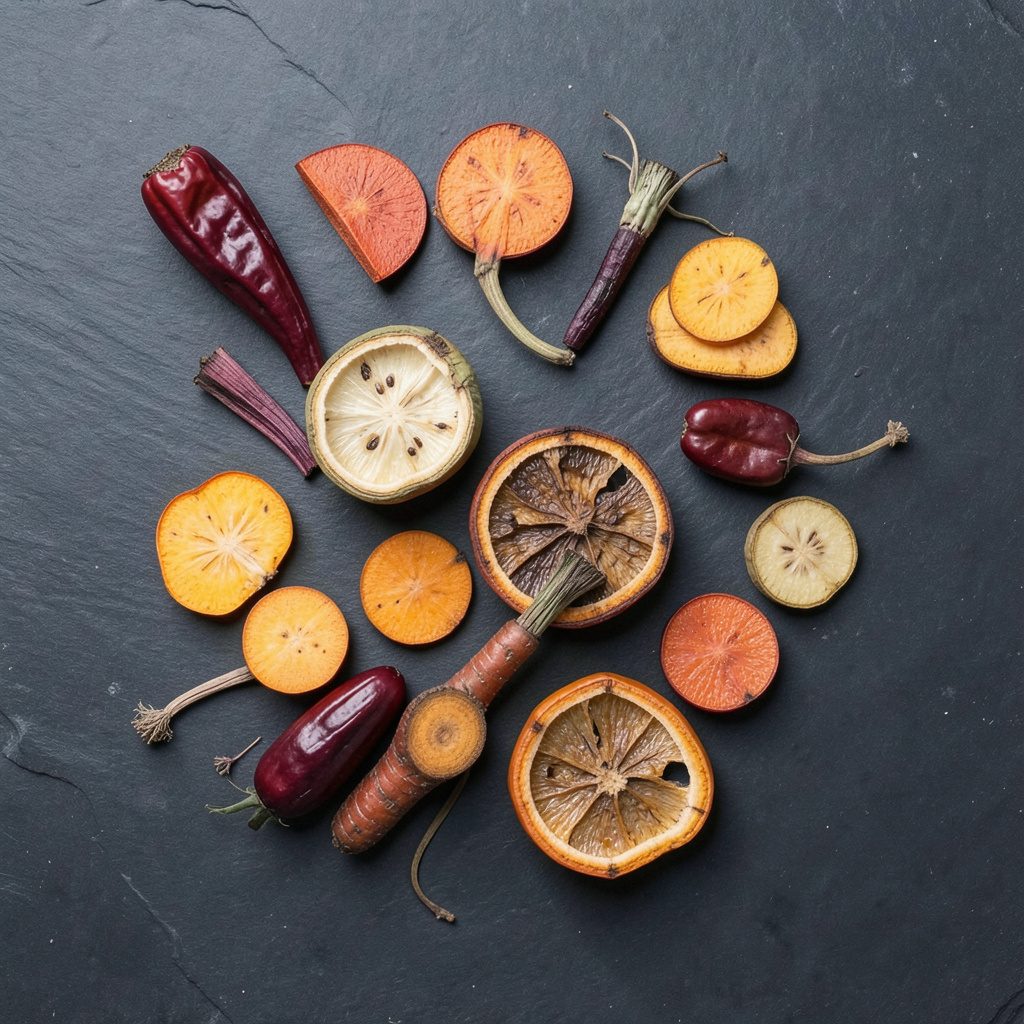
Most carrots sold at farmers' markets — from the Adelaide Hills to the Mornington Peninsula — are sweet, dense, and deeply coloured. Smaller, bunched carrots with their tops still attached bring an especially bright flavour, though any freshly harvested carrot will do. If you're using older carrots that have been sitting in the crisper for a week, peel them first to remove any bitter outer layer, then grate them finely so they dissolve into the batter rather than sitting as chewy shards.
Ginger deserves equal attention. In Australia, much of the fresh ginger found at Woolworths or independent grocers is grown in Queensland, and it tends to be plump, juicy, and mild enough to grate generously without overwhelming. For a sharper, more peppery kick, look for the smaller, wrinklier rhizomes that arrive from other growing regions; a teaspoon of finely grated fresh ginger in this batter transforms the muffin from softly spiced to memorably warming.
Why wholemeal flour earns its place
Whole wheat flour — known more commonly in Australian kitchens as wholemeal flour — carries the bran and germ of the wheat berry, which means more fibre, more minerals, and a fuller flavour. In muffins, this translates into a more substantial crumb that holds together well, especially when paired with ingredients like grated carrot and yoghurt that bring their own moisture. White flour produces a lighter texture but often at the cost of lasting energy; wholemeal keeps you fuller for longer and lends a subtle nuttiness that complements spice beautifully.
That said, wholemeal can be heavy if used one-for-one in a recipe developed for plain flour. The trick is to combine it with a small amount of plain flour, or to use whole wheat pastry flour, which is milled from softer wheat and behaves more gently in delicate bakes. A 70:30 ratio of wholemeal to plain gives the best of both worlds: the structure and flavour of whole grain with the rise and tenderness of a traditional muffin top. If only one flour is on hand, swap the plain portion for spelt or a gluten-free blend and adjust the liquid slightly.
Wholemeal also toasts beautifully. The sugars in the bran caramelise in the oven, producing those deeply browned, slightly crispy edges that make muffins so satisfying to bite into. This Maillard reaction is what gives a homemade wholemeal muffin its toasted, almost biscuit-like aroma — a quality that mass-produced versions rarely replicate.
Choosing and balancing the warming spices
A good spice blend can make or break these muffins. Cinnamon is the workhorse here, contributing both warmth and a familiar sweetness that softens the edges of wholegrain flour. A true Ceylon cinnamon, with its delicate and slightly citrusy note, is worth seeking out at spice specialists like Herbie's in Sydney or the stalls at Queen Victoria Market; if only the more common Cassia variety is available, reduce the amount slightly to avoid bitterness.
Ginger appears in two forms in this batter: freshly grated for brightness and a touch of ground ginger for deeper, almost gingernut-like warmth. The combination gives the muffin a layered flavour that builds slowly as you eat. Nutmeg, used sparingly, adds an earthy undertone, while cardamom — a spice that has found a comfortable home in modern Australian baking — introduces a floral, almost eucalyptus lift that pairs naturally with carrot.
For those who like their muffins a little more adventurous, a pinch of black pepper amplifies the heat of fresh ginger without making the muffins taste savoury. A teaspoon of orange zest also works in the same direction, brightening the spice and echoing the natural sweetness of the carrot. Avoid over-spicing: the aim is a muffin that tastes gently aromatic rather than a cross between a cake and a chai latte.
Mixing the batter the right way
The muffin method is forgiving but rewards a light touch. Begin by whisking the dry ingredients — wholemeal flour, plain flour, baking powder, bicarb soda, salt, and the spice blend — in a large bowl. In a separate bowl, combine the wet ingredients: a neutral oil or melted butter, Greek yoghurt or buttermilk for tenderness, eggs, vanilla, and a sweetener of choice. Fold the wet mixture into the dry, then stir in the grated carrot and fresh ginger just until combined. The batter should look shaggy and slightly lumpy; overmixing develops gluten and toughens the crumb.
Letting the batter rest for ten minutes before portioning allows the wholemeal to hydrate fully, which improves both texture and oven spring. Scoop the batter into a lined or greased muffin tin, filling each cup about three-quarters full, and bake at 180°C fan-forced for 18 to 22 minutes, until the tops spring back when lightly pressed. A skewer inserted into the centre should come out with just a few moist crumbs attached; any wet batter means the muffins need another couple of minutes.
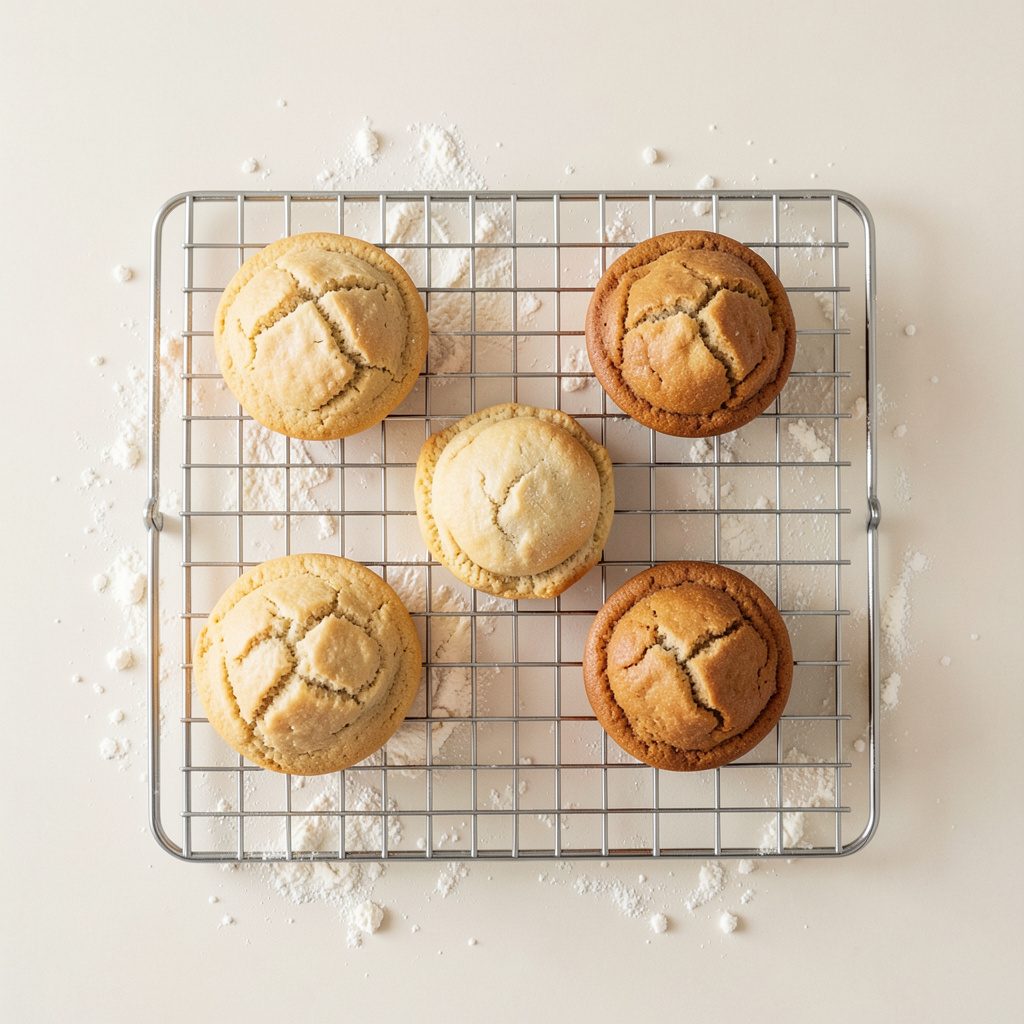
For even doming, sprinkle a small amount of demerara sugar across the tops before baking. The sugar cracks slightly in the heat, creating that lovely crackled bakery-style finish. Optional mix-ins — chopped walnuts, raisins soaked briefly in black tea, or pepitas — can be folded through at the final stage, though a plain version lets the spices speak most clearly.
Smart variations through the year
In summer, swap half the carrot for grated zucchini and add a handful of fresh blueberries for a sweeter, juicier muffin that suits a beachside picnic. In the cooler months, introduce a tablespoon of blackstrap molasses alongside the honey for a deeper, almost treacle-like richness that pairs beautifully with ginger. For a tropical twist suited to a Queensland afternoon, replace the orange zest with a little lime zest and a spoon of finely chopped crystallised ginger.
If baking for school lunchboxes, halve the sugar and add a tablespoon of ground flaxseed or chia seeds for extra staying power. For a gluten-free version, substitute a 1:1 gluten-free flour blend for the plain flour portion and use certified gluten-free alternatives such as buckwheat or millet flour; the carrot and ginger do much of the structural heavy lifting here, so the muffins still hold together well. Vegans can swap the eggs for two flax eggs and use coconut yoghurt in place of dairy, producing a slightly more delicate crumb that is genuinely satisfying rather than a compromise.
Serving, storing, and building a lunchbox
These muffins are at their best on the day they are baked, when the tops are still crisp and the centres tender. They keep well in an airtight container at room temperature for up to three days, after which the wholemeal begins to firm up. To revive a day-old muffin, slice it in half and warm it gently in a low oven or pop it in the toaster; the edges re-crisp while the inside softens.
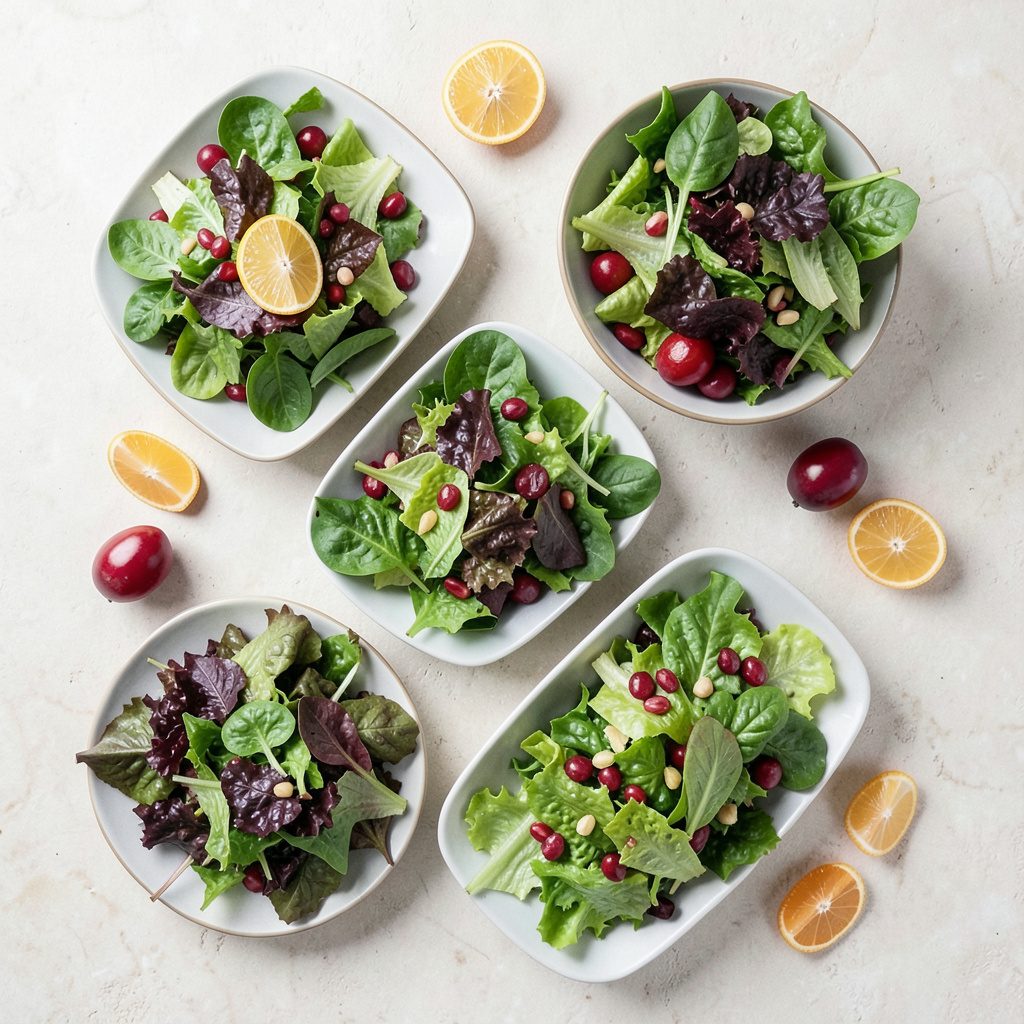
For longer storage, muffins freeze beautifully. Wrap them individually in baking paper, then seal in a zip-lock bag and freeze for up to three months. Defrost overnight on the bench or warm directly from frozen in a 150°C oven for about ten minutes. Tucked into a school lunchbox with a piece of fruit and a small pot of yoghurt, a carrot and ginger muffin makes a filling, low-fuss snack. For a more substantial work lunch, pair the muffins with meal-prepped mason jar salads that travel well and stay fresh through the morning.
| Flour option | Texture produced | Best use | Notes |
|---|---|---|---|
| Wholemeal (whole wheat) | Hearty, nutty crumb | Everyday baking, lunchbox muffins | Adds fibre and a deeper flavour |
| Plain (all-purpose) | Light, tender rise | Lighter cakes and pastries | Combine with wholemeal for balance |
| Spelt | Soft, slightly sweet | Quick breads, muffins | Reduce liquid by about 10% |
| Whole wheat pastry | Fine, delicate crumb | Tender muffins, scones | Best option for a softer result |
| Gluten-free 1:1 blend | Variable | Mixed batters | Add an extra egg for structure |
Bake a batch this weekend and let your kitchen fill with the kind of fragrance that turns an ordinary morning into something memorable. Spiced carrot and ginger muffins made with whole wheat flour are the sort of bake that invites conversation, sits comfortably beside a thermos of tea on a foggy walk through the Dandenong Ranges, and gently reminds everyone around the table that simple ingredients, treated with care, are often the most rewarding. Tweak the spice blend to suit your taste, swap in a seasonal vegetable when inspiration strikes, and enjoy them while they are still slightly warm from the oven.
From the kitchen
Stay close to the kitchen
Sign up for occasional notes, seasonal recipes, and gentle reminders to cook something good.