
Enticing Healthy Eating is a quiet corner of the web devoted to good food made simply.
The site gathers recipes, ingredient notes, and gentle guidance for anyone who wants to bring a little more nourishment to the table. Browse at your own pace, and take what serves you.
A hearty one-pot lentil and vegetable stew for cosy evenings
When the mercury dips across Melbourne, Hobart and the hills of Adelaide, there is something deeply comforting about stirring a pot of lentils while rain taps against the kitchen window. A one-pot lentil and vegetable stew captures that feeling in a single vessel, layering humble pantry staples with whatever fresh produce is looking its best at the local greengrocer. It is the kind of meal that asks very little of you, yet rewards the household with a fragrant, nourishing dinner that seems to taste even better the next day.
This particular stew leans into the warmth of cumin, smoked paprika and slow-cooked onion, with red and green lentils providing both body and a quiet, earthy backbone. Because everything simmers together in one heavy-based pot, the vegetables soften into the broth while the lentils release just enough starch to create a naturally creamy texture. It is weeknight cooking without the usual pile of washing up, and it welcomes improvisation depending on what is in the crisper drawer.
For Australian cooks, the dish also offers a gentle way to eat with the seasons. A walk through Queen Victoria Market in the cooler months might bring home leeks, fennel, bunched carrots and a wedge of nutty kabocha, while a trip to the Adelaide Central Market in late autumn could yield a haul of silverbeet, parsnips and a handful of herbs. The stew absorbs these regional rhythms without complaint, making it a useful template rather than a rigid script.
Why lentils belong in the Australian pantry
Lentils have quietly become a cornerstone of the modern Australian pantry, and for good reason. They are inexpensive, shelf-stable, and packed with plant protein, fibre and iron, which makes them a reliable choice for households looking to stretch the weekly shop without leaning on processed foods. Red lentils break down quickly into a velvety base, while green or French-style puy lentils hold their shape and add a pleasant chew to the finished pot. Most major supermarkets stock both varieties, and bulk bins at independent grocers in Brisbane, Perth and regional towns often carry brown, yellow and even black beluga lentils for those keen to experiment.
The ingredient also reflects Australia's multicultural kitchen heritage, sitting comfortably alongside split peas in a classic pea and ham style, or taking the lead in dishes inspired by Indian, Middle Eastern and North African cooking. A bag of lentils in the cupboard is a small act of preparedness, ready to be transformed into a thick soup, a warm salad, or a stew like this one. For anyone easing into more plant-based meals, lentils offer a forgiving, affordable entry point that does not feel like a compromise at the dinner table.
Building the stew: ingredients and substitutions
Begin with a soffritto of onion, carrot and celery, sweated gently in a good glug of olive oil until soft and sweet. Add garlic, a teaspoon each of ground cumin and smoked paprika, and a pinch of chilli flakes if you like a quiet hum of heat. From there, the vegetables can flex with the season: diced pumpkin, chopped sweet potato known affectionately as kumara across much of Australia, or even a small head of cauliflower broken into florets all work beautifully. A tin of crushed or chopped tomatoes gives the broth a rich, savoury backbone, while a litre of vegetable stock ties everything together.
Dried lentils go in next, rinsed and drained, along with a bay leaf and a sprig of thyme. For a brighter finish, a handful of baby spinach or shredded silverbeet stirred through at the end adds colour and a gentle, mineral note. If tomatoes are not to your taste, swap them for an extra cup of stock and a splash of red wine for depth, or stir through a spoon of tomato paste for a more concentrated flavour. The stew is also forgiving of small imperfections, so a slightly tired capsicum or half a head of broccoli can be folded in rather than wasted.
Step-by-step method for a stress-free simmer
Set a large, heavy-based pot over medium heat and warm the olive oil before adding the onion, carrot and celery. Cook for around eight minutes, stirring occasionally, until the vegetables have softened and the onion is translucent. Add the garlic and spices and stir for another minute, allowing the aromatics to bloom and coat every piece of vegetable in a fragrant, warm spice blend.
Pour in the tomatoes, lentils, stock, bay leaf and thyme, then season with a generous pinch of sea salt and a few grinds of black pepper. Bring the pot to a gentle boil, reduce the heat, and let everything simmer uncovered for about thirty-five minutes, stirring now and then to stop the lentils from catching on the base. The stew is ready when the lentils are tender and the broth has thickened to a spoon-coating consistency. If you are using greens, fold them through in the final five minutes so they wilt but keep their colour. Finish with a squeeze of lemon, a scattering of chopped parsley, and a small drizzle of extra virgin olive oil.
Seasonal swaps for Australian gardens and markets
Cooking this stew through winter in Sydney or during a chilly evening in regional Victoria opens up a long list of seasonal produce. Leeks, fennel and parsnips all make lovely additions, while roasted beetroot stirred through at the end lends the pot a jewel-like hue. In Queensland and northern New South Wales, where the cooler months are milder, sweet potato, pumpkin and leafy greens remain reliable, and a small amount of grated ginger can warm the broth without adding heat.
A wander through the weekly farmers' markets in places like Salamanca in Hobart, the Mindil Beach Sunset Market in Darwin during the dry season, or the organic stalls at the Capital Region Farmers Market in Canberra can also introduce native ingredients to the pot. A pinch of lemon myrtle or a small amount of native thyme can replace regular thyme for a distinctly Australian twist, while macadamia nuts toasted and scattered on top add a buttery crunch. These swaps are not essential, but they are a lovely way to connect the stew to the landscape it is cooked in.
Serving suggestions and leftover ideas
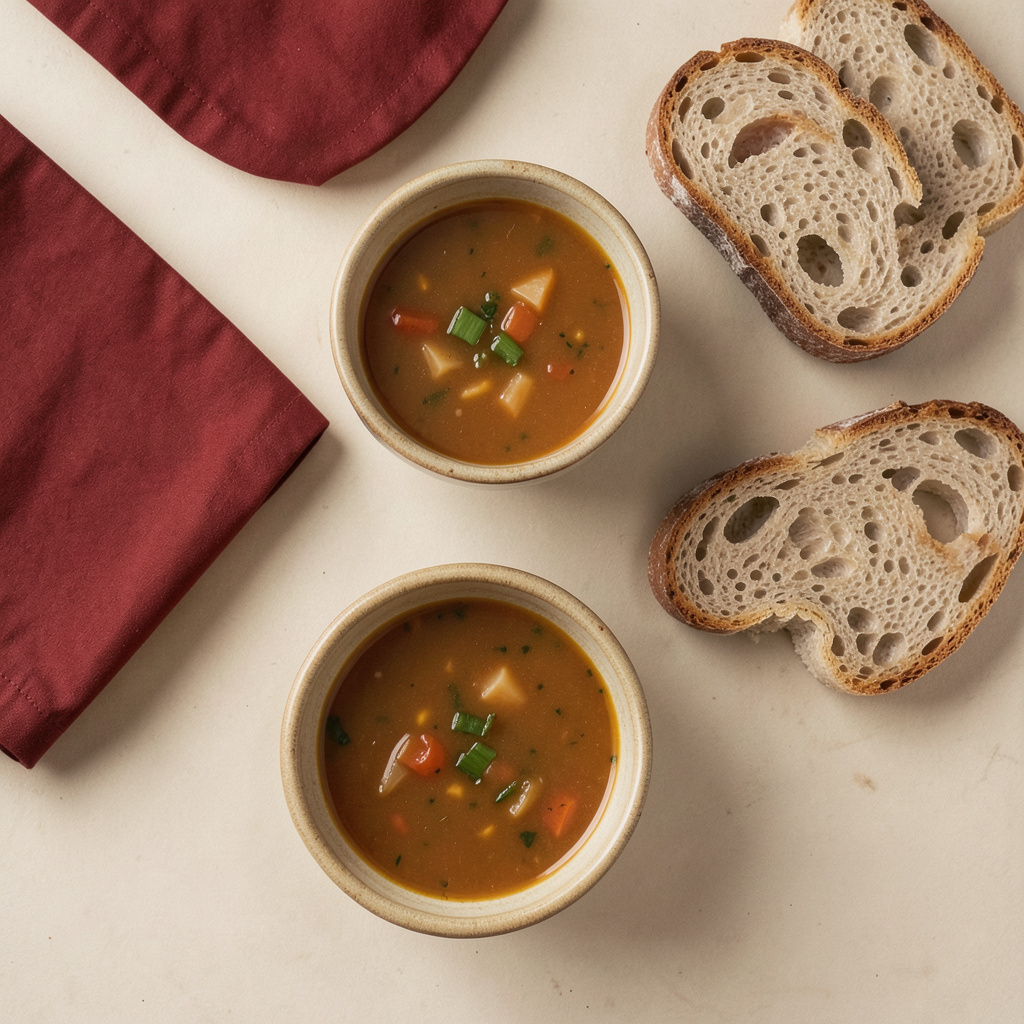
This stew wears many hats at the table. Serve it in deep bowls with a slice of thick, toasted sourdough for a simple weeknight dinner, or spoon it over steamed basmati rice, fluffy couscous, or creamy polenta for something more substantial. A dollop of natural yoghurt and a small handful of chopped herbs lift the flavours, and a wedge of lemon on the side lets each person adjust the brightness to their liking. For a weekend lunch, pair it with a simple green salad dressed in olive oil and red wine vinegar, and a glass of something robust like a Tasmanian pinot noir or a Victorian shiraz.
Leftovers are a genuine gift. The stew can be blitzed with a little extra stock to become a silky soup the next day, used as a sauce for baked sweet potatoes, or folded through cooked pasta with a handful of rocket. Thick slices of grilled halloumi or a soft-boiled egg on top turn the reheated pot into a brand new meal. If you have children at home, the mild spice profile makes it a friendly introduction to lentils, and the natural thickening from the starch means it holds together well in a lunchbox the next day.
Storage, freezing and reheating without losing flavour
Allow the stew to cool to room temperature before transferring it to airtight containers. In the fridge, it keeps happily for up to four days, and the flavours continue to deepen as the spices settle. Because lentils absorb liquid as they sit, the stew will thicken considerably overnight, so loosen it with a splash of water or stock when bringing it back to the heat.
For longer storage, the stew freezes well for up to three months. Portion it into freezer-safe containers or heavy-duty zip-lock bags, leaving a little room at the top for expansion, and label with the date. Thaw overnight in the fridge, then reheat gently on the stove, stirring occasionally and adding liquid as needed. If you plan to freeze a portion, leave out the fresh greens and add them when you reheat, as they tend to lose their texture in the freezer. A final squeeze of lemon and a fresh scatter of herbs will bring the pot back to life, almost as if it were just made.
There is a particular kind of satisfaction in ladling a steaming bowl of this stew on a cold evening, knowing that the pot did nearly all of the work. It is a meal that asks for patience more than skill, and it rewards both the cook and the people gathered around the table. If you are looking for more wholesome, approachable ideas to fill the weekly menu, you will find a quiet archive of seasonal recipes and pantry-friendly guides over at enticinghealthyeating.com, where the focus is always on simple, nourishing home cooking that suits real Australian kitchens.
From the kitchen

Stay close to the kitchen
Sign up for occasional notes, seasonal recipes, and gentle reminders to cook something good.