
Enticing Healthy Eating is a quiet corner of the web devoted to good food made simply.
The site gathers recipes, ingredient notes, and gentle guidance for anyone who wants to bring a little more nourishment to the table. Browse at your own pace, and take what serves you.
Thick Homemade Almond Milk for Everyday Australian Kitchens
Homemade almond milk can be light and delicate, or it can have the lush, spoon-coating texture of a good café-style drink. The difference comes down to the almond-to-water ratio, soaking time, blending technique and how much of the creamy pulp is left behind. With a few small adjustments, you can make a richer dairy-free milk that works beautifully in coffee, porridge, smoothies and baking.
Many supermarket almond milks in Australia are designed to pour easily and remain stable on the shelf. A carton from Coles or Woolworths may contain a relatively small amount of almonds alongside water, oils, gums, minerals and added flavours. That consistency is handy, but it does not always deliver the full nutty flavour or body you want at home.
This recipe uses soaked raw almonds and less water than a standard almond milk formula. It produces a thick, fresh drink with a naturally creamy finish. You can strain it until smooth or keep a little of the fine almond sediment for extra body, depending on whether you are filling a glass in Sydney, blending a breakfast before work in Melbourne or making a batch for a warm Queensland morning.
Why Homemade Almond Milk Turns Thick
The simplest way to create a dense almond milk is to use more almonds per cup of water. A common homemade ratio is one cup of almonds to four cups of water, which makes a fairly thin drink. For a richer result, use one cup of almonds to two and a half or three cups of water. The smaller volume gives the milk a stronger almond flavour and a thicker mouthfeel.
Soaking also changes the nuts. Raw almonds absorb water, soften and become easier to blend into a fine cream. An overnight soak is convenient, although six to eight hours is usually enough. If you are short on time, cover the almonds with boiling water and leave them for about one hour before draining and rinsing.
The final texture depends on straining. A nut milk bag removes almost all of the solids and gives you a smooth, pourable milk. A fine sieve leaves behind more microscopic almond particles, creating a fuller drink. For an especially thick version, strain lightly, then let the milk rest in the refrigerator so the natural solids settle and enrich the bottom of the jar.
Select and Soak the Almonds
Use plain raw almonds rather than roasted, salted or honey-coated nuts. Raw almonds provide a clean flavour and blend into a pale milk. Almonds sold in bulk shops or the baking aisle are suitable, but check that they smell fresh and slightly sweet rather than oily or stale. Australian-grown almonds from regions such as Victoria are often available during the local harvest season, while imported almonds are common year-round.
Place the almonds in a bowl and cover them generously with cold water. They will swell as they soak, so leave several centimetres of water above the nuts. After soaking, drain and rinse them thoroughly. The soaking water can taste slightly bitter and should not be used in the finished drink.
Removing the skins is optional. Blanched almonds produce a whiter, silkier milk, while skin-on almonds provide a little more flavour and fibre. To peel them, pour boiling water over the soaked almonds, wait for a minute, then slip off the skins. This is a useful step when you want a particularly smooth milk for coffee or a delicate dessert.
Blend for a Creamy Texture
Add the drained almonds to a high-speed blender with two and a half to three cups of fresh water. Blend for one to two minutes, beginning at a low speed and increasing gradually. The liquid should look opaque and frothy, with the almonds broken down into a fine paste. A powerful blender creates a thicker result because it releases more of the almond’s natural fats and solids.
For a neutral everyday milk, use only almonds and water. A small pinch of salt can sharpen the flavour, while half a teaspoon of vanilla extract gives the milk a gentle sweetness. If you like a sweeter drink, blend in one soft date or a little maple syrup. Avoid adding too much sweetener if the milk is intended for savoury cooking, sauces or soups.
The proportions below let you adjust the batch without guessing. The thickest version is best for smoothies, overnight oats and café-style drinks. The middle ratio is versatile for cereal, baking and daily use.
| Almonds | Water | Texture | Best Uses |
|---|---|---|---|
| 1 cup | 2½ cups | Very thick and creamy | Smoothies, desserts, coffee |
| 1 cup | 3 cups | Rich but pourable | Porridge, cereal, baking |
| 1 cup | 4 cups | Light and refreshing | Drinking, sauces, general cooking |
Strain It Smooth or Keep the Pulp
Pour the blended mixture through a nut milk bag, muslin cloth or very fine sieve set over a large bowl. Gather the bag and squeeze firmly to extract as much liquid as possible. The first pressing gives the richest milk. You can rinse the remaining pulp with another half cup of water, but this second liquid will be thinner and is better reserved for cooking.
For a thick drink, do not over-dilute the milk after straining. If it seems too dense for pouring, add water one tablespoon at a time until it reaches the consistency you prefer. It is easier to loosen a rich batch than to thicken a watery one.
The leftover almond pulp is worth keeping. Spread it on a tray and dry it in a low oven until crumbly, then use it in muffins, bliss balls, granola or a crumble topping. Fresh pulp can also be stirred into porridge or folded through banana bread. It will spoil faster than the milk, so refrigerate it promptly and use it within a few days, or freeze it in small portions.
Store It Safely and Keep the Flavour Fresh
Transfer the finished milk to a clean glass bottle or jar with a secure lid. Refrigerate it straight away and keep the fridge at 5°C or colder, as recommended for chilled foods in Australia. Because homemade almond milk contains no commercial stabilisers or preservatives, it generally keeps for three to four days.
Separation is completely normal. Almond solids settle at the bottom while the water rises to the top, particularly when the milk is thick and minimally strained. Shake the bottle before serving, or stir it with a spoon if the sediment has compacted. A slight layer of cream near the surface is also a natural sign of the almond fats settling.
Discard the milk if it develops a sour smell, unusual bitterness, bubbling, mould or a lumpy texture that does not disappear after shaking. Do not leave it sitting on the kitchen bench during a long breakfast or picnic. In hot weather, especially during an Australian summer, use an insulated bag and ice brick when carrying it away from the refrigerator.
Use the Rich Milk Throughout the Week
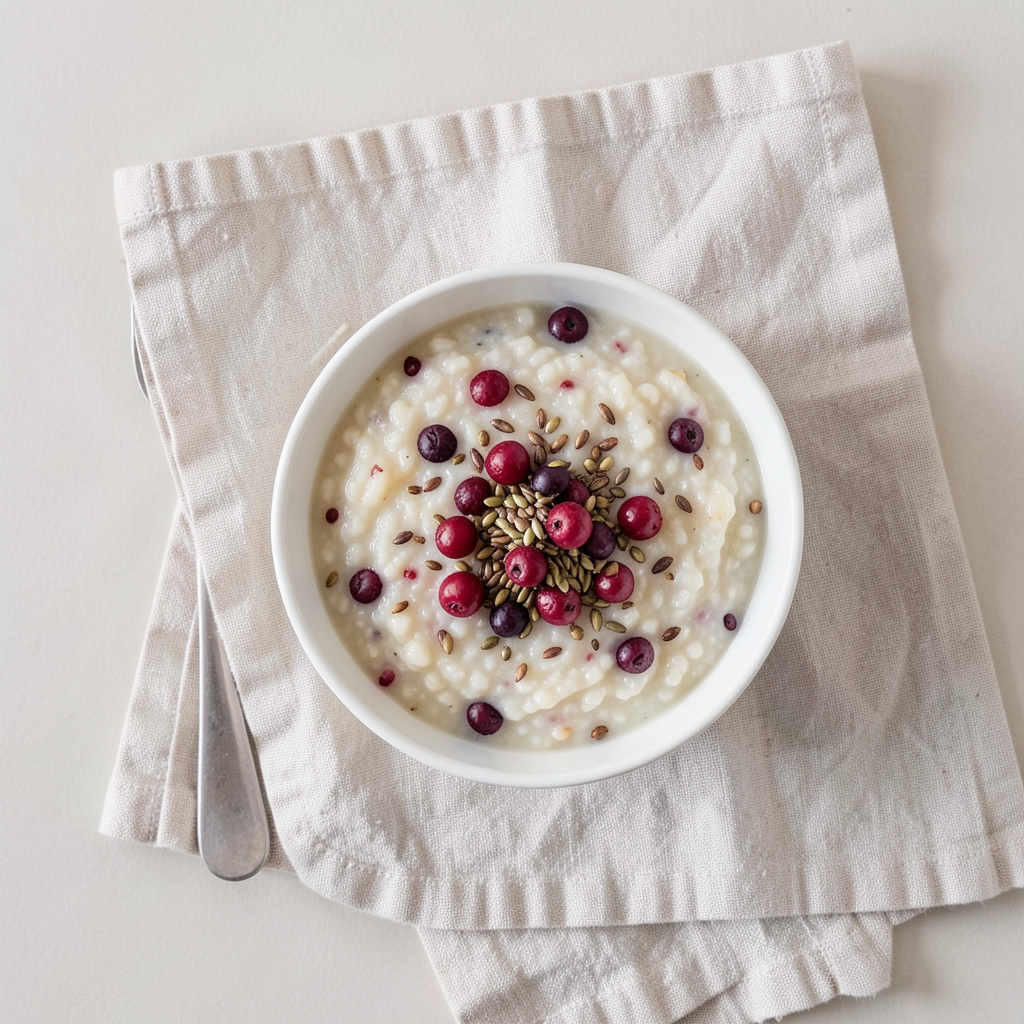
Thick almond milk makes porridge taste fuller without needing cream. Stir it through oats near the end of cooking, then add cinnamon, sliced banana, stewed apples or roasted Australian stone fruit. It also gives chia pudding a smoother texture and makes overnight oats pleasantly spoonable rather than watery.
For coffee, warm the milk gently rather than boiling it. Homemade almond milk may not foam as reliably as a commercial barista blend because it lacks added oils and emulsifiers, but the concentrated version can still create a soft, creamy long black accompaniment or iced coffee. For a smoother café-style pour, strain it very finely and blend it briefly just before heating.
Use it in pancakes, muffins, cakes and savoury recipes wherever a recipe calls for milk. Its mild nutty flavour pairs well with pumpkin soup, creamy pasta sauces and vegetable gratins. In smoothies, combine it with frozen berries, spinach, oats or nut butter; the extra almond solids help create a substantial breakfast suited to a busy morning in Brisbane or a cooler winter day in Canberra.
The milk is also useful for desserts. Pour it over muesli, blend it with cacao and dates for a thick chocolate drink, or use it in rice pudding. Since the homemade version is concentrated, taste the mixture before adding sugar—its natural almond flavour is more pronounced than the mild, diluted cartons commonly sold in supermarkets.
Make a batch with the two-and-a-half-cup ratio, chill it in a labelled jar and use it across the next few days. Save the pulp for baking, shake the bottle before each pour and adjust the water to suit your favourite recipe. Fresh almonds, a blender and a little preparation are all it takes to put a rich, wholesome plant-based milk into your regular home-cooking routine.
From the kitchen


Stay close to the kitchen
Sign up for occasional notes, seasonal recipes, and gentle reminders to cook something good.