
Enticing Healthy Eating is a quiet corner of the web devoted to good food made simply.
The site gathers recipes, ingredient notes, and gentle guidance for anyone who wants to bring a little more nourishment to the table. Browse at your own pace, and take what serves you.
Cherry oat muffins with a crumbly streusel topping
These cherry oat muffins bring together juicy fruit, hearty rolled oats and a buttery crumble that turns golden in the oven. They are tender enough for a leisurely breakfast, sturdy enough for a lunchbox and sweet without tasting like cake.
Fresh cherries give the best flavour when they are in season, particularly through summer in Australia. Look for fruit from Young in New South Wales, Tasmania or Victoria, where cherry growers produce beautifully sweet varieties. Frozen cherries are a practical choice for the rest of the year and work very well in this recipe.
The oat base has a gentle, nutty flavour and a soft texture from soaking the oats in milk. A little cinnamon complements the cherries, while yoghurt adds moisture and a slight tang. The streusel topping supplies a crisp contrast without requiring a complicated pastry technique.
These muffins are made in a standard 12-hole muffin tin, so they suit an ordinary home kitchen and can be baked ahead for busy mornings. Serve one with a cup of tea, coffee or a quick morning cuppa, then store the rest for the week.
| Choice | Best option | What to expect |
|---|---|---|
| Cherries | Fresh in summer or frozen year-round | Fresh cherries are fragrant; frozen cherries keep the crumb moist |
| Oats | Traditional rolled oats | Gives a pleasantly chewy texture and fuller oat flavour |
| Dairy | Plain Greek yoghurt and milk | Creates a tender crumb with gentle tang |
| Sweetener | Brown sugar in the batter | Adds caramel notes and keeps the muffins soft |
| Streusel fat | Cold butter | Produces crisp, irregular crumbs across the tops |
Why these muffins work
The combination of oats and cherries makes a balanced muffin with plenty of texture. Rolled oats absorb some of the liquid before baking, which helps them soften while still retaining a little bite. Cherries release their juices into the surrounding crumb, creating small pockets of fruit throughout each muffin.
A modest amount of brown sugar is enough because ripe cherries bring their own natural sweetness. If your fruit is particularly tart, add an extra tablespoon of sugar to the batter. Sour cherries can also be used, although they will produce a sharper, more pronounced flavour.
The streusel is made with flour, oats, brown sugar, cinnamon and butter. Rubbing the butter through the dry ingredients creates coarse crumbs rather than a smooth paste. Keep a few larger pieces in the mixture; they melt and brown into the most satisfying parts of the topping.
Ingredients and useful swaps
For 12 muffins, use 1½ cups plain flour, 1 cup traditional rolled oats, 2 teaspoons baking powder, ½ teaspoon bicarbonate of soda, ½ teaspoon ground cinnamon and ¼ teaspoon salt. You will also need ½ cup brown sugar, 2 large eggs, ¾ cup milk, ½ cup plain Greek yoghurt, ⅓ cup melted butter or neutral oil, 1 teaspoon vanilla extract and 1½ cups pitted cherries.
For the streusel, combine ½ cup plain flour, ⅓ cup rolled oats, ⅓ cup brown sugar, ½ teaspoon cinnamon, a pinch of salt and 60 g cold unsalted butter. If using frozen cherries, do not thaw them first. Toss them with a teaspoon of flour just before folding them into the batter to reduce excess juice.
Plain yoghurt can be replaced with sour cream or an unsweetened dairy-free yoghurt. Almond meal can replace two tablespoons of the flour for a slightly richer crumb, though the muffins will be a little more delicate. Coconut sugar works in place of brown sugar, but it gives a darker colour and a less caramel-like taste.
Prepare the cherries and batter
Preheat the oven to 190°C, or 170°C fan-forced, and line a 12-hole muffin tin with paper cases. If using fresh cherries, remove the stones and roughly halve larger fruit. Small cherries can remain whole once pitted. Pat them dry with paper towel so they do not add too much liquid.
Mix the flour, oats, baking powder, bicarbonate of soda, cinnamon, salt and brown sugar in a large bowl. In a separate jug, whisk the eggs, milk, yoghurt, melted butter and vanilla until smooth. Pour the wet mixture into the dry ingredients and stir with a spatula until only a few flour streaks remain.
Fold in the cherries gently. Stop as soon as the batter is combined; overmixing can make the muffins dense and chewy. The mixture should be thick and spoonable rather than pourable. Let it stand for five minutes while you prepare the crumble, giving the oats time to absorb some of the liquid.
Make the crumbly topping
Place the flour, oats, brown sugar, cinnamon and salt in a small bowl. Add the cold butter in cubes and rub it through the mixture with your fingertips until coarse crumbs form. The mixture should hold together when pressed lightly but break apart easily.
Divide the batter evenly between the paper cases, filling each about three-quarters full. Scatter the streusel over the surface, pressing it very lightly so it stays in place. A generous layer is welcome, but avoid packing it down or it may bake into a firm crust rather than a loose crumble.
For a little extra texture, add a tablespoon of chopped pecans or slivered almonds to the streusel. Sunflower seeds are a useful nut-free alternative for school lunchboxes. Keep the topping balanced so the fruit and oat muffin underneath remains the main flavour.
Bake until golden and tender
Bake the muffins for 20–24 minutes, turning the tin once if your oven browns unevenly. They are ready when the tops are golden, the streusel feels set and a skewer inserted into the centre comes out with a few moist crumbs. A skewer may touch a cherry and look wet, so test a second muffin if needed.
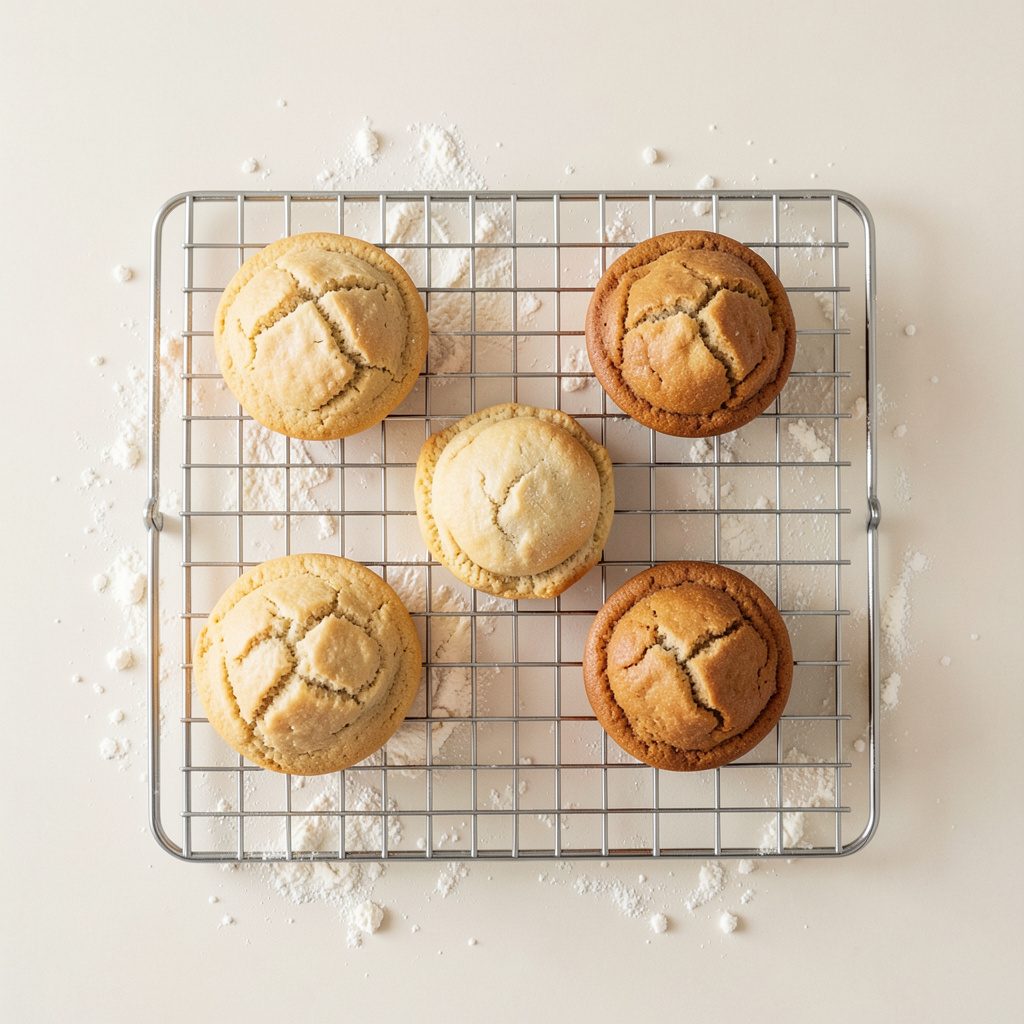
Allow the muffins to cool in the tin for 10 minutes before transferring them to a wire rack. The crumb continues to set as it cools, and the topping becomes crisper. Cutting into one immediately is tempting, but a short rest gives a much better texture.
Ovens vary considerably, particularly older ovens common in rental kitchens and holiday houses. If the tops brown before the centres are cooked, loosely cover the tin with foil for the final five minutes. For smaller muffins, reduce the baking time by several minutes and begin checking early.
Serve them for breakfast or a lunchbox
These are at their best slightly warm, when the cherries are soft and the streusel has a delicate crunch. Serve them with thick yoghurt, a spoonful of cherry compote or a smear of softened butter. They make an easy weekend breakfast alongside fresh fruit and a flat white.
For an Australian summer brunch, pair them with peaches, nectarines or berries and a jug of iced coffee. They also travel well for a picnic at a local park or a morning beside the beach. Once completely cool, place them in an airtight container lined with a sheet of paper towel to protect the topping from excess moisture.
The muffins are suitable for lunchboxes, but check your school or childcare rules before adding nuts to the crumble. Their moderate sweetness makes them a useful alternative to packaged snacks, and the oats help them feel satisfying through the morning.
Store, freeze and vary the batch
Keep the cooled muffins at room temperature for up to two days. In warm or humid weather, refrigerate them in an airtight container for up to five days, although chilling can firm the crumb. Warm individual muffins in the microwave for 10–15 seconds to refresh the texture, then use a hot oven for a few minutes if you want the topping crisp again.
To freeze them, cool completely and wrap each muffin or place them in a freezer bag for up to three months. Thaw at room temperature, or heat from frozen at 160°C for 10–12 minutes. Freezing the muffins without the extra glaze keeps the streusel more appealing.
You can replace half the cherries with raspberries, blueberries or diced plums. A little orange zest lifts the fruit flavour, while cardamom gives the muffins a more aromatic finish. For a wholemeal version, substitute ½ cup wholemeal flour for an equal amount of plain flour and add an extra tablespoon of milk if the batter seems unusually thick.
For a lower-sugar variation, reduce the batter sugar by two tablespoons and use naturally sweet cherries. Avoid reducing the streusel too far, as its small amount of sugar helps it brown and keeps the topping pleasantly crisp.
Bake a batch while cherries are plentiful, or keep frozen fruit on hand for an easy year-round treat. Spoon the batter into the tin, finish it with plenty of oat crumble and enjoy the warm muffins with your next cuppa.
From the kitchen

Stay close to the kitchen
Sign up for occasional notes, seasonal recipes, and gentle reminders to cook something good.