Enticing Healthy Eating is a quiet corner of the web devoted to good food made simply.
The site gathers recipes, ingredient notes, and gentle guidance for anyone who wants to bring a little more nourishment to the table. Browse at your own pace, and take what serves you.
Broccoli and Cheddar Stuffed Baked Potatoes for Easy Weeknights
There's something quietly satisfying about pulling a tray of hot baked potatoes from the oven on a chilly Adelaide evening, the kitchen filled with that earthy, toasted smell. Broccoli and cheddar stuffed baked potatoes turn a humble spud into something that feels substantial enough for a Sunday roast yet simple enough for a Tuesday night. The filling is creamy, sharp, and green-flecked, the kind of bowl food that makes you slow down and reach for a second helping.
This recipe leans on pantry staples you can grab from the local Coles or Woolworths without a special trip, and it works beautifully with broccoli that's been lingering in the crisper. It's also a clever way to use up leftover cooked broccoli from last night's stir-fry. Australian-grown broccoli is available year-round thanks to the major growing regions around Victoria and Queensland, so you don't have to wait for a particular season to make this work.
Below, you'll find guidance on choosing potatoes, prepping the broccoli, picking the right cheddar, and getting that signature crisp skin. There are also notes on serving, storage, and a few easy swaps for dietary preferences. The whole process is forgiving, and the results are reliably good.
Picking the Right Potato
Not all spuds bake the same. In Australia, you'll commonly find Sebago, Desiree, Russet, and Nicola potatoes at the greengrocer, and each behaves differently once it hits the hot oven. Sebago is the all-rounder most supermarkets default to, with a fluffy interior and a skin that crisps nicely when oiled and salted. Russets, often imported or sold as Idaho potatoes, have a drier, more mealy flesh that puffs up beautifully for stuffing.
Desiree potatoes hold their shape a little better and have a slightly waxy texture, which some cooks prefer for a chunkier filling. Nicola and other waxy varieties are lovely for potato salads but tend to become gluey when mashed aggressively, so they're not the best choice here. If you want a starchy, absorbent interior that soaks up butter and cheese, stick with Sebago or Russet.
| Potato Variety | Texture When Baked | Best For | Availability in Australia |
|---|---|---|---|
| Sebago | Fluffy, light, absorbent | All-purpose baking and stuffing | Widely available year-round |
| Russet (Idaho) | Very dry, mealy, starchy | Crisp skins, fluffy centres | Imported, found in major supermarkets |
| Desiree | Creamy, slightly waxy | Holding shape, chunkier fillings | Common at greengrocers and markets |
| Nicola | Waxy, firm, fine-grained | Salads, boiling | Popular at farmers' markets, less ideal here |
For a more substantial bake, choose potatoes that are evenly sized, around 200 to 300 grams each, so they finish cooking at the same time. Give them a good scrub under running water, pat them dry, and prick each one a few times with a fork. A light rub of olive oil and a sprinkle of flaky salt sets up the skin for that satisfying crackle once they come out of the oven.
Prepping the Broccoli
Broccoli for stuffing should be tender but not waterlogged, otherwise it will leak moisture into the filling and make things soggy. Cut the florets into small, bite-sized pieces, roughly two centimetres across, so they cook through quickly in the pan. The stalk is often discarded, but peeled and finely diced, it adds a lovely crunch and reduces waste, a habit worth picking up if you're conscious of household food costs that have crept up across Sydney and Brisbane over the past year.
Steam the broccoli for three to four minutes until just bright green and still firm, then plunge it into cold water to stop the cooking. Alternatively, sauté it in a splash of olive oil with a crushed garlic clove for a deeper, nuttier flavour. Both approaches work; steaming keeps things lighter, while frying adds a roasted character that pairs especially well with sharp cheddar.
Before mixing the broccoli into the mashed potato, give it a gentle squeeze in a clean tea towel to remove excess water. This single step is the difference between a creamy, spoonable filling and a watery one that slides off the spoon. A little patience here pays off in the final bake.
Choosing the Cheddar
Aged cheddar brings the biggest flavour punch, and Australian-made varieties like those from King Island, Tilba, or Pyengana are well worth seeking out at the deli counter. Vintage or extra-mature cheddars have a sharper, more complex taste that holds its own against the earthiness of the broccoli. Younger cheddars are milder and melt more smoothly, which can be helpful if you're feeding kids or prefer a gentler flavour.
For the best melt, bring the cheese to room temperature and grate it yourself rather than using pre-shredded. Packaged shredded cheese is often coated in anti-caking agents like cellulose, which prevent it from melting into a silky sauce. A few minutes with a box grater makes a noticeable difference to the texture of the filling.
If you'd like a little extra punch, a small handful of grated parmesan or pecorino stirred through the potato mixture adds a salty, savoury backbone. Blue cheese is another option for the adventurous, though it's a much bolder choice and can easily overwhelm the broccoli. Stick with classic cheddar if you want a result that appeals to most palates.
Building the Filling
Once the potatoes are cool enough to handle, slice each one in half lengthwise and scoop out the flesh, leaving a thin layer against the skin to help it hold its shape. Place the scooped potato in a large bowl and mash it with a fork or a potato masher, leaving some texture rather than whipping it smooth. Overworking the potato can make it gluey, especially if you're using a starchy Sebago.
Fold in the steamed broccoli, a generous handful of grated cheddar, a splash of warm milk, and a knob of butter. Season with sea salt, freshly cracked black pepper, and a pinch of ground nutmeg if you like a subtle warmth. The mixture should hold together easily without being wet; if it feels too dry, add another tablespoon of milk, and if it's too loose, a little more cheese will firm it up.
Spoon the filling back into the potato shells, mounding it slightly on top. Scatter a little extra cheddar over each one and finish with a grind of pepper. At this stage, the potatoes can be assembled ahead of time and refrigerated for a few hours, which makes them handy for entertaining. Just bring them back to room temperature before the final bake so they heat through evenly.
Baking Until the Skins Crisp
The final bake is where everything comes together. Arrange the stuffed potatoes on a lined tray and slide them into a 200°C oven for fifteen to twenty minutes, until the cheese is bubbling and the tops are lightly golden. If you have a fan-forced setting, drop the temperature by about 20°C to avoid over-browning the skins.
For an extra-crisp finish, switch to the grill for the last two or three minutes, watching carefully so the cheese doesn't catch and burn. Let the potatoes rest for five minutes before serving; the filling will be volcanically hot straight from the oven, and a short rest helps it settle into something you can actually eat without burning the roof of your mouth.
A scatter of chopped chives, a dollop of sour cream, or a spoonful of Greek yoghurt adds a cool, tangy contrast to the rich filling. Crispy bacon bits or a few sliced spring onions are popular additions in many Australian homes, especially when serving these as a weekend lunch with a simple green salad on the side.
Serving and Pairing Ideas
Broccoli and cheddar stuffed baked potatoes are versatile enough to anchor almost any meal. For a casual weeknight dinner in Perth or Canberra, serve them alongside a crisp rocket and pear salad dressed with lemon and olive oil. They also work well as a vegetarian main for a barbecue spread, particularly when guests are after something that doesn't involve a sausage in bread.
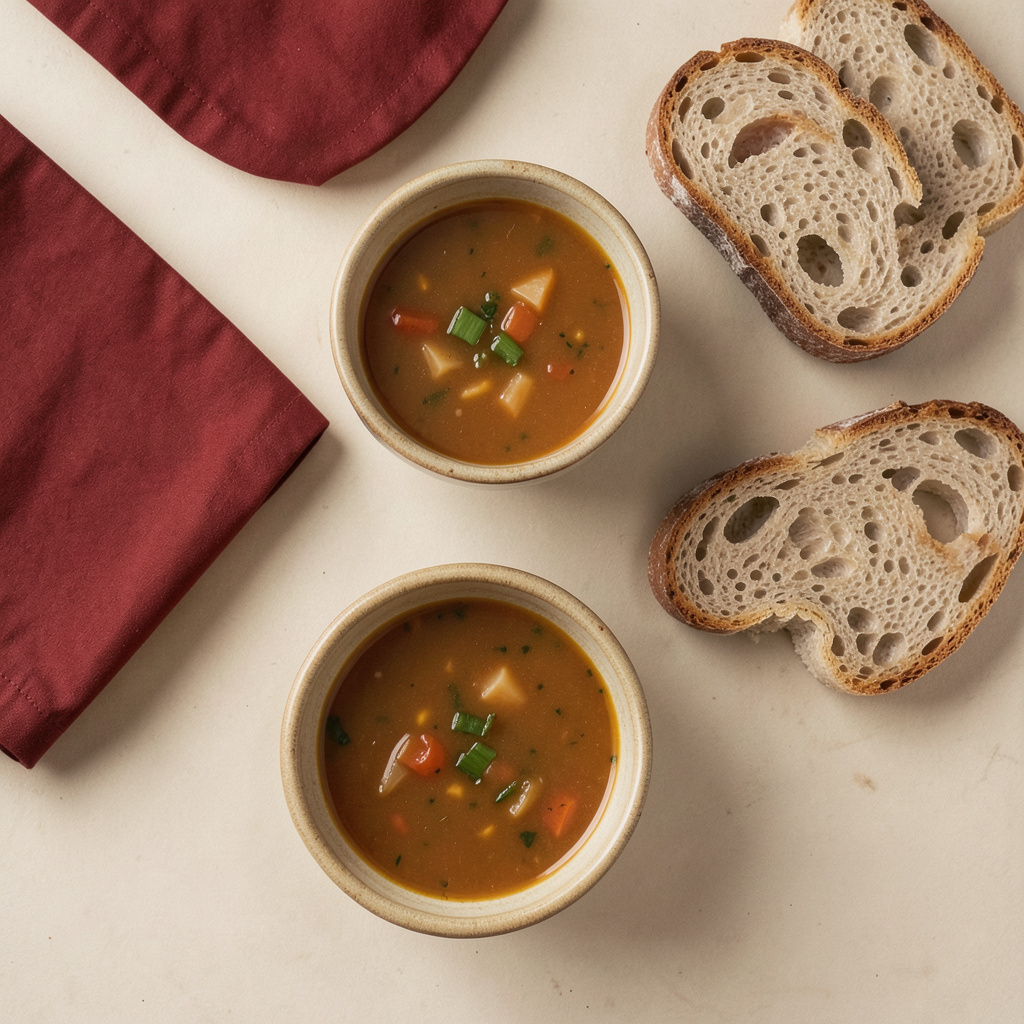
If you're cooking for one or two, the leftovers reheat well in the oven or air fryer, making them a smart option for meal prep. A simple side of steamed green beans or roasted carrots rounds things out without much extra effort. For heartier appetites, a bowl of tomato soup alongside turns the meal into a comforting pub-style lunch you might find at a neighbourhood café in Fitzroy or Newtown.
Kids tend to love these too, especially when the cheese is gooey and the broccoli is chopped small enough to disappear into the mash. Letting little ones help scoop and fill the potatoes is a great way to get them interested in the kitchen, and it's hard to overstate how much more willingly children eat vegetables they've helped prepare.
Storing Leftovers
Cool any leftover stuffed potatoes to room temperature within two hours of cooking, then store them in an airtight container in the fridge for up to three days. Keep the filling inside the shells to prevent it from drying out, and reheat from cold in a 180°C oven for around fifteen minutes, or until piping hot throughout.
Microwaving works in a pinch, though the skins lose their crispness. A quick two minutes on high followed by a minute under the grill helps restore some of that texture. These potatoes don't freeze particularly well because of the dairy content, which can split and turn grainy once thawed, so it's better to make just what you'll eat within a few days.
For more weeknight recipes built around fresh produce and pantry staples, visit enticinghealthyeating.com and browse the seasonal archives. You'll find plenty of ideas for using up surplus broccoli, stretching a block of cheddar, and turning simple ingredients into something quietly special.
From the kitchen
Stay close to the kitchen
Sign up for occasional notes, seasonal recipes, and gentle reminders to cook something good.