Enticing Healthy Eating is a quiet corner of the web devoted to good food made simply.
The site gathers recipes, ingredient notes, and gentle guidance for anyone who wants to bring a little more nourishment to the table. Browse at your own pace, and take what serves you.
Peanut butter and banana overnight chia pudding
Peanut butter and banana overnight chia pudding is a simple make-ahead breakfast with the comfort of a banana smoothie and the spoonable texture of a creamy dessert. Chia seeds swell in milk while they rest, creating a soft pudding that needs no cooking and very little morning preparation.
The combination works because each ingredient brings something useful: ripe banana contributes natural sweetness, peanut butter adds a roasted savoury note, and chia seeds provide gentle texture. Rolled oats can make the jar more substantial, while cinnamon and vanilla round out the flavour without needing much added sugar.
This is an especially handy recipe for busy Australian mornings. Prepare a few jars after dinner, place them in the fridge, and breakfast is ready before the school run, train commute or early shift. It is cool and refreshing in a Brisbane summer, yet comforting enough to serve with warm toast or tea during a chilly Melbourne morning.
Why this combination works
Chia seeds absorb liquid gradually, so the pudding thickens as it rests. The longer soaking time softens their texture and allows the flavours to mingle. For a smoother result, blend the milk, banana and peanut butter before stirring in the chia. For a more textured breakfast, mash the banana with a fork and leave the mixture unblended.
Use a ripe banana with plenty of brown speckles for the best sweetness. If the banana is still firm and pale, the pudding may need a little maple syrup or honey, although many people will find the natural fruit flavour enough. Smooth peanut butter blends quickly, while crunchy peanut butter gives each spoonful small roasted pieces.
Plant-based milk works beautifully here. Unsweetened almond milk gives a light, nutty flavour, soy milk makes the pudding especially creamy, and oat milk adds gentle sweetness. In Australia, check the carton if you need a gluten-free option, as some products may be made in facilities that handle cereals or other allergens.
Ingredients and easy preparation
For two generous serves, combine one ripe banana, 1 cup of milk, 4 tablespoons of chia seeds, 2 tablespoons of peanut butter, 2 tablespoons of rolled oats, ½ teaspoon of cinnamon and ½ teaspoon of vanilla extract. A small pinch of salt helps sharpen the peanut flavour. Add maple syrup only after tasting the mixture.
Mash or blend the banana with the milk, peanut butter, cinnamon, vanilla and salt. Stir through the chia seeds and oats, then divide the mixture between two jars or containers. Leave a little space at the top for toppings, cover, and refrigerate for at least four hours. Overnight is ideal, but a six-hour rest also gives a reliable texture.
Stir the jars once after about 20 minutes if you remember. This prevents chia seeds from settling at the bottom and makes the finished pudding more even. If the mixture is too thick in the morning, loosen it with a splash of milk. If it is too soft, add another teaspoon of chia and allow it to rest for 20 to 30 minutes.
Choosing toppings for texture and flavour
Toppings turn a basic chia breakfast into something that feels freshly assembled. Try thin banana slices, roasted peanuts, toasted coconut, cacao nibs or a dusting of cinnamon. A spoonful of thick Greek yoghurt adds tang and makes the pudding feel more like a layered parfait.
For a distinctly Australian seasonal touch, add sliced strawberries in spring, diced mango in summer, stewed apple in autumn or poached pear during cooler months. Queensland bananas are easy to find year-round, while local berries and stone fruit are best used when they are fragrant, colourful and reasonably priced at the market.
A small amount of crunch is particularly helpful because chia pudding is naturally soft. Toasted oats, crushed peanuts or pumpkin seeds provide contrast. If you are packing the jars for work, keep wet fruit and crunchy toppings separate until serving so the texture stays fresh.
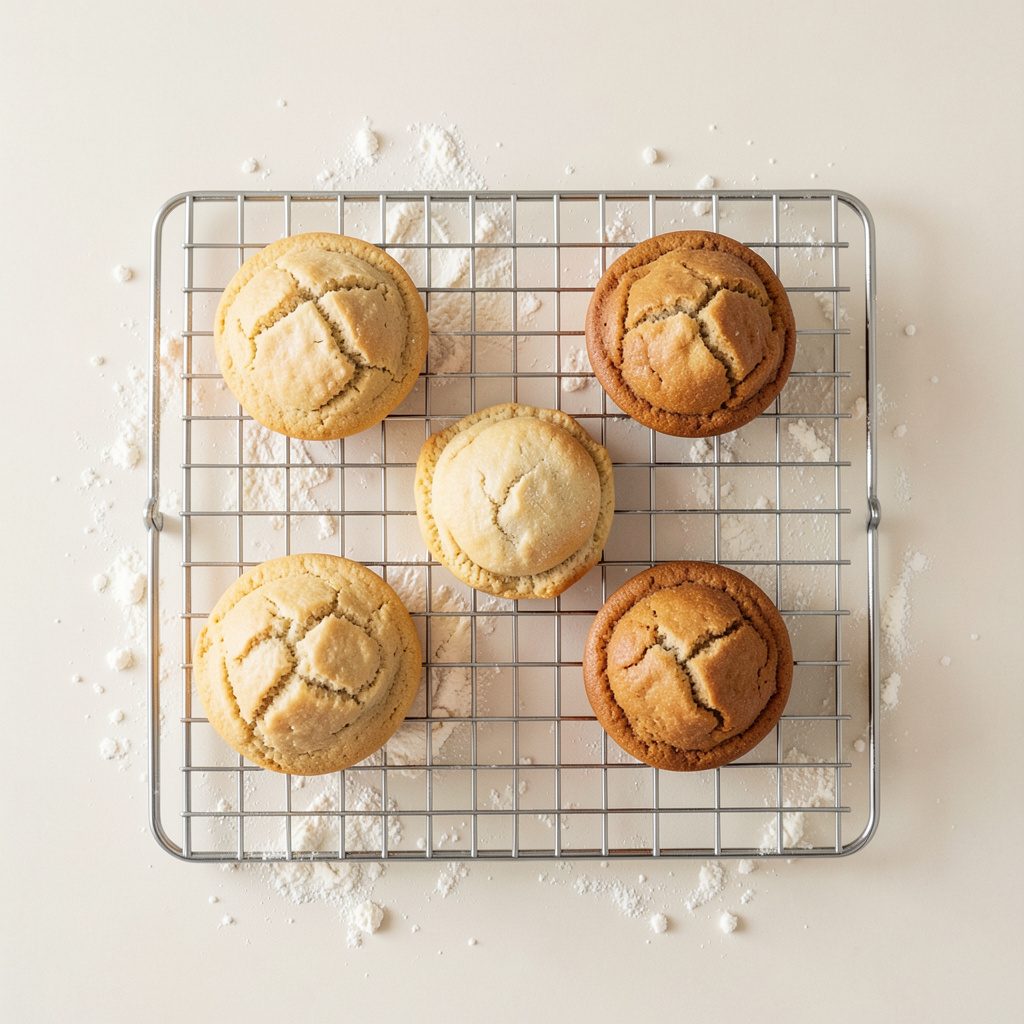
Families who enjoy turning everyday ingredients into cheerful treats may also find simple baking inspiration useful when planning a weekend kitchen session. Keep peanut toppings away from anyone with an allergy, and label jars clearly if they are being stored in a shared fridge.
Adjustments for Australian kitchens
Australian measuring habits make this recipe straightforward: use a standard 250 ml cup and 20 ml tablespoon. The mixture can behave differently depending on the milk, the size of the chia seeds and how ripe the banana is, so treat the quantities as a dependable starting point rather than a rigid formula.
In a warm kitchen, particularly through a hot Adelaide or Perth afternoon, refrigerate the jars promptly after mixing. Do not leave dairy or plant-based milk mixtures sitting on the bench for hours. An insulated lunch bag with a frozen ice brick is useful if the pudding is travelling to university, an office or a picnic.
Supermarket peanut butter varies considerably. Some Australian brands contain only peanuts and salt, while others include added sugar, oils or stabilisers. Any of these can work, but a sweetened spread may mean you need less maple syrup. Natural peanut butter often separates in the jar, so stir it thoroughly before measuring.
The pudding keeps well for up to three days in a sealed container when refrigerated. Make a small batch first, then increase the quantities if you like the texture. It is an economical option when bananas are ripe and reduced at Coles, Woolworths or a local greengrocer, since soft fruit is perfect for blending.
Ratios and variations at a glance
The basic proportions are flexible, but keeping enough chia in the mixture is important. Too little will leave a loose smoothie, while too much can create a dense, gel-like texture. The table below gives practical adjustments for different preferences and dietary needs.
| Preference | What to change | Result |
|---|---|---|
| Creamier pudding | Use soy milk or add 2 tablespoons of Greek yoghurt | Richer, smoother texture |
| Less sweetness | Use a just-ripe banana and skip maple syrup | Mild banana flavour with more peanut character |
| Higher protein | Add Greek yoghurt or a spoonful of protein powder | More filling and thicker |
| Gluten-free option | Use certified gluten-free oats or leave oats out | Suitable for gluten-free meal planning |
| Nut-free option | Replace peanut butter with sunflower seed spread | Similar richness without peanuts |
| Extra crunch | Add toasted peanuts just before serving | Stronger texture contrast |
| Chocolate version | Stir in 1 tablespoon of cacao powder | Deeper, cocoa-like flavour |
If you leave out the oats, add an extra teaspoon of chia only if the mixture seems thin. Oats absorb liquid and add chew, but the pudding remains satisfying without them. For a nut-free lunchbox, sunflower seed spread is a practical substitute, though its flavour is slightly more earthy.
To make a chocolate-peanut version, use unsweetened cacao powder and taste before adding sweetener. A few chopped dates blended into the milk can add caramel-like sweetness. For a tropical variation, replace the cinnamon with lime zest and top the pudding with mango and toasted coconut.
Serving and storing the pudding
Serve the jars cold, straight from the fridge, or let them stand for 10 minutes so the flavours become softer and more rounded. A little extra milk on top makes the surface glossy and easier to stir. Layering the pudding with yoghurt and fruit creates a breakfast that is suitable for a leisurely weekend brunch as well as a weekday grab-and-go meal.
For meal preparation, make two or three jars at a time rather than preparing a full week’s supply. Fresh banana flavour is at its best within the first couple of days, and toppings such as berries can release liquid as they sit. Add fruit, nuts and yoghurt shortly before eating.
The recipe is adaptable enough for different households. Use decaffeinated coffee and cocoa flavours for an adult breakfast, or keep the base plain for children who prefer familiar flavours. Young children should have chia seeds fully hydrated and be supervised while eating, especially if the pudding is thick.
For a portable breakfast, choose leakproof containers and keep them chilled until serving. A jar tucked into a work bag without refrigeration is not a safe storage method, particularly during an Australian heatwave. Once cold, however, this banana chia breakfast travels neatly and avoids the crumbs associated with many pastries.
Make a couple of jars tonight and keep the toppings ready in small containers for the morning. Start with ripe bananas, your preferred milk and a dependable peanut butter, then adjust the thickness after the first batch. This easy preparation can become a calm, nourishing part of the week—one spoonful at a time.
From the kitchen
Stay close to the kitchen
Sign up for occasional notes, seasonal recipes, and gentle reminders to cook something good.