Enticing Healthy Eating is a quiet corner of the web devoted to good food made simply.
The site gathers recipes, ingredient notes, and gentle guidance for anyone who wants to bring a little more nourishment to the table. Browse at your own pace, and take what serves you.
Lemony Herb Roasted Potatoes with Crispy Edges
Crispy, golden, and fragrant with lemon zest, these roasted potatoes are the kind of side dish that quietly steals the show. They work on a weeknight in Brisbane when dinner is whatever the family can pull together in thirty minutes, and they shine on a slow Sunday afternoon in Hobart when the oven has been warming the kitchen since breakfast. The combination of fluffy centres, shattering edges, and bright herbal citrus is hard to beat, especially when the rest of the meal is built around seasonal Australian produce.
This version leans on a generous glug of extra virgin olive oil, a sharp rasp of lemon, and a handful of hardy herbs that can survive the heat of a hot oven. Roasting at a high temperature on a heavy sheet pan is what gives the potatoes their crackling outer crust, while a finishing squeeze of lemon at the end keeps everything tasting fresh rather than heavy. It is pantry-friendly, scales up for a crowd, and leaves almost no washing up.
| Potato variety | Texture after roasting | Flavour profile | Best for |
|---|---|---|---|
| Sebago | Crisp outside, fluffy inside | Mild and starchy | The classic Aussie choice, widely available at Coles and Woolworths |
| Dutch Cream | Soft, creamy interior | Buttery, slightly sweet | When you want melting centres, sold at most greengrocers |
| Kipfler | Waxy, holds its shape | Nutty and earthy | For a more elegant, oblong potato that stays firm |
| Desiree | Crisp with a slight chew | Subtle and creamy | Good all-rounder, popular at Queen Victoria Market in Melbourne |
| Pontiac | Crumbly, dry interior | Classic potato flavour | Roasting wedges, often sold in five-kilo bags in country towns |
| Nicola | Firm, slightly waxy | Delicate, sweet | A Mediterranean-style finish with lemon and herbs |
Choosing the right spud at the market
Australian supermarkets and greengrocers offer a surprisingly wide range of potato varieties, and the one you choose will change the texture of the finished dish. Sebago remains the everyday favourite and is what most shoppers in Sydney, Perth, and regional towns reach for, because it is affordable, holds together when cut, and crisps up nicely at high heat. Dutch Cream, prized for its creamy yellow flesh, softens rather than crisps at the edges, which is wonderful in mash but can lead to mushy sides in a tray bake. Kipfler potatoes, with their waxy, almond-shaped form, hold their shape beautifully and add a nutty depth that complements the lemon well, though they take a little longer to crisp because of their lower starch content.
When shopping, look for potatoes labelled with country of origin, a requirement under Australia's Country of Origin food labelling laws administered by the Federal Department of Agriculture. Australian-grown spuds are usually in good supply from late winter through to early summer, with Western Australia, South Australia, and Tasmania producing the bulk of the commercial crop. At Queen Victoria Market in Melbourne, Salamanca Market in Hobart, or Adelaide Central Market, ask the grower directly which variety suits roasting. Choose potatoes that feel heavy for their size, have smooth unblemished skin, and show no signs of sprouting or green patches, which indicate the presence of bitter-tasting solanine.
Building the herb and lemon flavour
Lemon does two jobs in this dish: the zest adds aromatic oils that perfume the roasting oil, while the juice, added at the end, gives a clean, bright finish that cuts through the richness. A microplane is the best tool for the zest, because you want only the bright yellow layer, not the bitter white pith. Australian home cooks who keep a potted lemon tree on the verandah — a common sight in coastal suburbs from Noosa to Geelong — will find that homegrown fruit has thinner, more fragrant skin than the supermarket Eureka or Lisbon varieties, which tend to be thick-skinned and shipped from citrus-growing regions in the Murray Valley.
For the herbs, choose ones that can stand up to 200°C heat without turning bitter. Rosemary, thyme, and oregano are all sturdy enough, and each brings something different to the plate. Rosemary adds a piney, resinous note that pairs beautifully with lamb; thyme gives an earthy, slightly floral backdrop; oregano leans peppery and almost pepper-like. Two tablespoons of chopped fresh herbs, or one tablespoon of dried, is plenty. Garlic is optional but welcome — two or three lightly crushed cloves add warmth without overpowering the lemon, and they soften into sweet little nuggets during roasting.
The roasting method that delivers crackling edges
The technique matters as much as the ingredients. Cut the potatoes into even pieces, around three to four centimetres across, so they cook at the same rate. Parboil them for six to eight minutes in well-salted water to soften the centres and roughen the surfaces, which is the secret to maximum crispiness. Drain thoroughly and let them steam-dry in the colander for a minute or two — residual water will lower the oven temperature and prevent browning.
While the potatoes dry, pour a generous amount of olive oil over a heavy baking tray and slide it into the oven to heat up. A preheated tray is a small step that makes a big difference, because the potatoes start sizzling the moment they hit the surface. Toss the dried potatoes in a bowl with the hot oil, lemon zest, garlic, herbs, salt, and pepper, then spread them out on the heated tray in a single layer. Roast at 220°C, fan-forced if available.
Resist the urge to stir too often; letting them sit undisturbed for the first 25 minutes is what allows the edges to crisp. Flip once at the halfway point, then return them to the oven until deeply golden. The total roasting time is usually 35 to 45 minutes. Transfer to a serving bowl and finish with a generous squeeze of fresh lemon juice, a drizzle of good olive oil, a pinch of flaky salt, and a final scatter of chopped herbs.
Common pitfalls and how to sidestep them
Crowding the tray is the most common mistake. Potatoes release moisture as they cook, and if there is not enough space between them, that moisture turns to steam and prevents browning. Use two trays if necessary, or roast in batches. A heavy, dark-coloured tray will crisp the potatoes faster than a thin, light one, because it conducts heat more efficiently.
Under-salting the parboiling water is another frequent slip. The potatoes absorb seasoning from the inside during this step, so a teaspoon of salt per litre of water is about right. Likewise, seasoning the oil rather than tossing the potatoes in seasoning first leads to uneven flavour. Ovens vary more than people realise, especially older models common in Australian rental properties. If your potatoes are not browning at the recommended time, increase the temperature by 10°C and turn on the fan. A small oven thermometer takes the guesswork out of roasting.
Pairing these potatoes with everyday Australian meals
Because the flavour is bright and herbal rather than heavy, these potatoes work alongside almost any roasted or grilled main. They are a natural partner for a slow-roasted leg of lamb on a Sunday, a whole chicken stuffed with lemon and thyme, or grilled fish for a lighter weeknight dinner in coastal suburbs like Bondi or Fremantle. They also travel well, which makes them ideal for picnics at the beach, barbecues at a mate's place in the suburbs, or potluck dinners after a footy match.
For a complete tray bake, add vegetables directly to the pan during the last 20 minutes of cooking. Broccoli florets, sliced red onion, and cherry tomatoes all roast well at high heat and pick up the lemony oil. Scatter a drained tin of chickpeas over the potatoes during the last 15 minutes for plant-based protein, or finish with crumbled feta and chopped parsley for a Mediterranean-inspired plate. A bowl of peppery rocket or baby spinach on the side helps balance the richness, especially when served with a glass of crisp Australian riesling or vermentino.
Making the most of leftovers and seasonal swaps
Cooked potatoes keep well in the fridge for up to three days in a sealed container, well within the Australian food safety guidelines that recommend refrigerating cooked starchy foods promptly. To reheat them without losing the crispy texture, spread them on a tray and warm them in a hot oven for 8 to 10 minutes rather than using the microwave. They can also be roughly chopped and folded through a frittata the next morning, or pan-fried with onions for a quick hash.
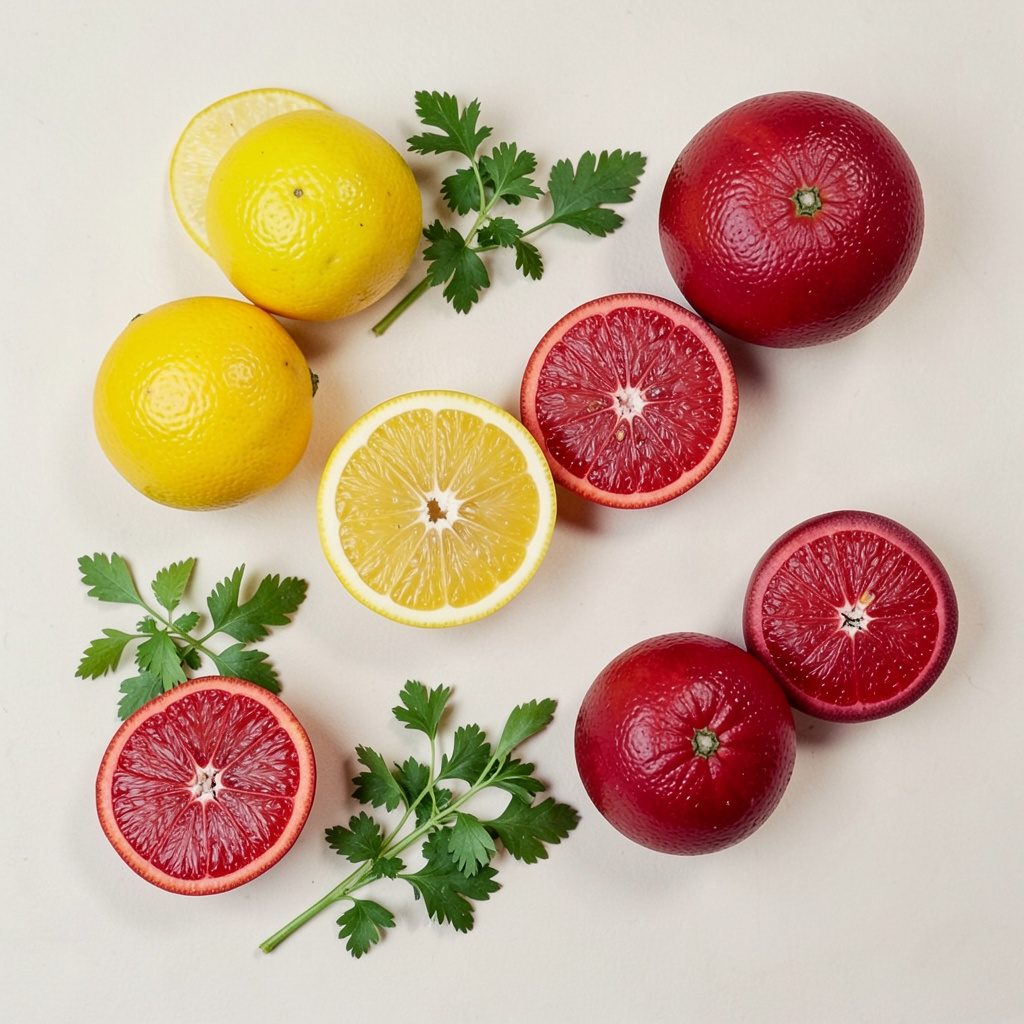
The recipe adapts easily to the seasons. In winter, swap the lemon for blood orange or add a few sprigs of sage alongside the rosemary. In summer, mix in fresh chopped mint or basil after roasting for a cooler finish. For a lower-FODMAP version, which has become increasingly popular in Australian dietetics, skip the garlic and rely on extra lemon zest and herbs for flavour. The dish is naturally vegan as written, provided any finishing feta is replaced or skipped.
Save this recipe to your cookbook, share it with a friend who always asks what to do with a bag of potatoes from the market, or pin it to your weekend meal plan and let the oven do the work while you get on with the rest of the day.
From the kitchen
Stay close to the kitchen
Sign up for occasional notes, seasonal recipes, and gentle reminders to cook something good.