Enticing Healthy Eating is a quiet corner of the web devoted to good food made simply.
The site gathers recipes, ingredient notes, and gentle guidance for anyone who wants to bring a little more nourishment to the table. Browse at your own pace, and take what serves you.
Slow-Roasted Garlic and Herb Cherry Tomatoes on Toasted Sourdough
Cherry tomatoes are the small jewels of the Australian summer kitchen. When markets overflow in Sydney, Melbourne, or Brisbane and stalls are heavy with glossy fruit, there is no finer way to use them than to coax their sweetness out of the oven with garlic, herbs, and a generous pour of olive oil. The result is a jammy tangle of bursting tomatoes that turns a humble slice of bread into something you want to eat at the table with a knife and fork, even in your pyjamas on a Sunday morning.
Garlic and herb roasted cherry tomatoes on toast is the kind of dish that asks for very little. A handful of pantry staples, a sheet pan, and twenty-five minutes of patient oven time is usually all you need, and the finished plate sits neatly within the calm, produce-led cooking that runs through this site, where recipes lean on fresh ingredients rather than complicated technique.
Ahead you will find how to pick the best tomatoes at the market, which herbs lift them most, and the roasting method that gives you jammy centres and crisp edges. There is also a short guide to choosing bread that holds up under all that juice, plus serving ideas that take the dish from a relaxed weekend breakfast through to a glass-of-wine evening plate.
Picking tomatoes at your local market
The success of this recipe rests almost entirely on the fruit. Australia produces intensely flavoured cherry tomatoes for most of the year, with growers in the Sunraysia, the Adelaide Plains, and the Lockyer Valley supplying major cities through long seasons. At Queen Victoria Market, the South Melbourne Market, or the Adelaide Central Market, expect to find truss-grown tomatoes picked only days earlier. Choose punnets where every tomato looks plump, with taut glossy skins and firm stems.
Smell tells the rest of the story. A ripe cherry tomato should smell faintly grassy and sweet at the stem end, a perfume that strengthens as it sits on your counter overnight. Avoid any that have already split, since those collapse in the oven and release watery juice instead of concentrating into something spoonable. Where you can, taste one raw before committing to a whole box.
In the cooler months, Australian truss tomatoes are a fine substitute, as are mixed heirlooms from stallholders at places like the Carriageworks Farmers Market in Sydney. Roasting concentrates whatever flavour the fruit carries, so even slightly underripe tomatoes benefit from the heat. At the supermarket, look for punnets marked with a state grower code, since these tend to be fresher than unbranded imports.
Building the garlic and herb blend
The aromatics here do far more than season the tomatoes. They become the sauce that pools on the plate and soaks into the bread, so it is worth thinking about them with care. Garlic is best left unpeeled and lightly crushed when you want sweet, spreadable cloves after roasting, or finely sliced when you want visible flecks of caramelised gold. Choose firm Australian-grown bulbs from the green grocer rather than pre-minced jars, as their flavour holds far better under high heat.
Lean on what you can pick fresh or buy loose by the bunch. Thyme sprigs hold up best to long oven time, while rosemary should be stripped from its woody stems so it does not turn bitter. Basil is best added at the very end, since its delicate leaves blacken quickly. Oregano, particularly the Greek variety sold at suburban delis in Brunswick or Auburn, brings a savoury, almost peppery note that bridges the sweet fruit and the rich oil.
A cold-pressed extra virgin olive oil from a Tasmanian, Margaret River, or Barossa producer finishes the blend. Season the tray generously with sea salt and cracked black pepper, and add a pinch of raw sugar if your tomatoes taste a little sharp. The sugar helps the fruit caramelise rather than simply dry out.
How to roast for jammy centres and crisp edges
Preheat the oven to 180 degrees Celsius fan-forced, or 200 degrees conventional. Spread the tomatoes in a single layer on a heavy sheet pan lined with baking paper, or use an enamel cast-iron dish if you want a deeper pool of juices at the end. Crowding the pan traps steam and gives you pale soft tomatoes, so use two trays when the fruit is plentiful.
Drizzle the oil, scatter the garlic and hardy herbs, and toss gently with your hands before arranging the tomatoes cut-side up. Smaller cherry tomatoes can stay whole; anything larger should be halved so it cooks through. Slide the pan onto the middle rack and roast for 20 to 25 minutes, until the skins wrinkle, the edges turn a deep brick red, and a syrupy juice sits in the bottom of the tray.
For a little more caramelisation, switch the oven to grill for the final three to four minutes and watch closely. The difference between jammy and burnt is usually less than a minute under the element. Pull the tray out, let it settle on the bench for a few minutes, then taste and adjust the salt. A final scatter of fresh basil adds colour and a bright lift that counters the slow-cooked richness.
Choosing and toasting the right bread
Bread is the canvas, and the right slice transforms everything. A dense, open-crumb sourdough holds the juices without going soggy, while a thinner focaccia or pita crisps up nicely under softer tomatoes. The bakery aisle of any major Australian supermarket will give you a few reliable options, but a loaf from a local bakery is worth the extra walk.
A quick comparison of common choices:
| Bread type | Texture under juice | Best moment | Toast method |
|---|---|---|---|
| Sourdough | Stays firm, absorbs flavour | Casual lunch or weekend breakfast | Charred in a hot pan or under the grill |
| Sourdough rye | Holds shape with a nutty base | Dinner starter or cheese board | Toasted whole and rubbed with garlic |
| Turkish bread | Soft pillow that drinks the oil | Shared platter on a warm evening | Briefly warmed on a tray |
| Focaccia | Crispy outside, airy inside | Heartier dinner toast | Reheated in a low oven |
| Wholegrain loaf | Earthy, sturdy base | Packed lunch or work snack | Toasted firm and cooled slightly |
Slice the loaf about a centimetre thick and toast it so the surface is dry and lightly charred, not soft. A smear of unsalted butter, a slick of labneh, or a few spoonfuls of fresh ricotta works beautifully under the warm tomatoes. For a creamier finish, try a slice of Meredith Dairy marinated goat cheese or a torn ball of burrata from a neighbourhood Italian deli.
Serving ideas from breakfast through dinner
In the morning, pile the tomatoes onto the toast and crown with a soft poached egg from a free-range producer, a sprinkle of pepper, and a drizzle of the roasting juices. The runny yolk turns the toast into a breakfast that holds you until lunch. Double the recipe if you are cooking for friends, because this plate disappears quickly at a brunch table.
For a light lunch, serve the toast alongside a green salad of peppery rocket, shaved fennel, and lemon, with a chilled glass of rosé or vermentino. The tomatoes also work beautifully over avocado-topped toast or folded through warm pasta with a little extra oil. Save the pan juices for the curious cook: a small splash stirred into homemade Berlin doughnuts is unconventional, but the sweet-savoury balance works surprisingly well.
In the evening, treat the dish as a starter before grilled fish or a slow-cooked lamb shoulder. The roasted tomatoes handle rich proteins easily, and the herbs you used during roasting echo the rosemary and thyme that often appear in the main course. A small bowl of olives, a chunk of good feta, and a glass of Australian shiraz or a Hunter Valley semillon turn this toast into a Mediterranean-style plate that holds its own at the dinner table.
Storing the leftovers and using them up
Roasted cherry tomatoes keep their magic for several days when stored properly. Transfer everything, including the oil and juices, into a clean glass jar, press a thin layer of olive oil across the top, and seal. Refrigerated this way, they keep well for five to seven days. Pull them out about twenty minutes before serving so the oil loosens and the fruit returns closer to room temperature.
Beyond the toast, the leftovers are a springboard for many quick meals. Stir them through cooked pasta with a little extra oil and chopped parsley for an almost-instant dinner. Fold them into a frittata or a Spanish-style tortilla, or use them as a base under baked eggs on the weekend. They also make a bright filling for a toasted sandwich with aged cheddar and basil.
If you roast more than you can use within a week, freeze the tomatoes in small containers with their juices. They collapse further once thawed, which actually makes them ideal for blending into a quick pasta sauce during the cooler months. A batch made in January will taste like a slice of summer come July, which is its own small reward.
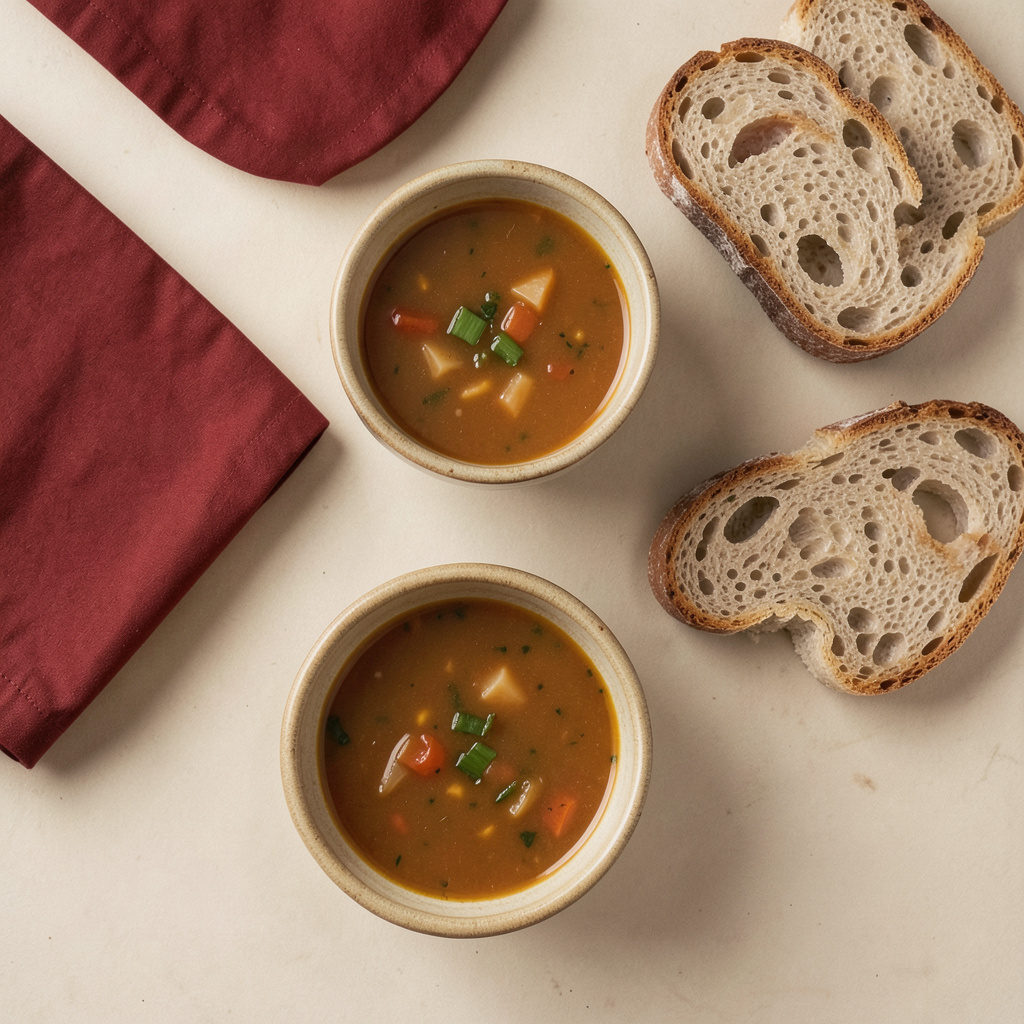
If simple, honest cooking with seasonal produce speaks to you, there are plenty more recipes like this one across the site, including a warming bowl of My Go-To Lentil Soup for Cold Winter Nights for when the evenings turn cool. Save the recipe, share it with a friend who keeps a sourdough starter on the bench, and let the oven do most of the work.
From the kitchen
Stay close to the kitchen
Sign up for occasional notes, seasonal recipes, and gentle reminders to cook something good.