Enticing Healthy Eating is a quiet corner of the web devoted to good food made simply.
The site gathers recipes, ingredient notes, and gentle guidance for anyone who wants to bring a little more nourishment to the table. Browse at your own pace, and take what serves you.
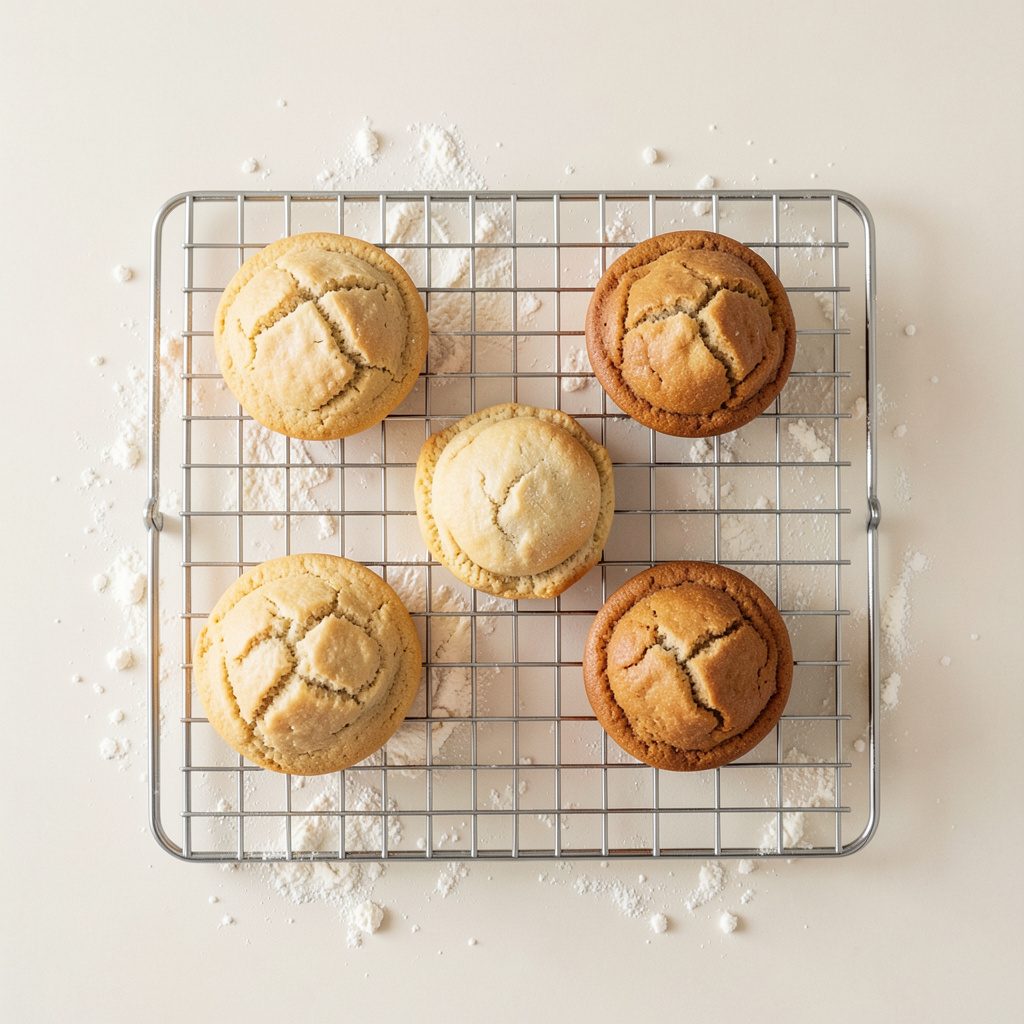
Soft whole wheat dinner rolls with honey butter
Warm, tender rolls can make an ordinary dinner feel beautifully considered. These soft whole wheat dinner rolls have the gentle nuttiness of wholemeal flour without the heaviness that sometimes comes with a fully wholegrain loaf. A little honey rounds out the flavour and helps create a fine, pillowy crumb.
They are made with everyday ingredients and shaped by hand, so there is no need for special equipment or advanced baking skills. The dough is enriched with milk, butter and egg, while a blend of wholemeal and white bread flour gives the rolls enough structure to rise well.
The accompanying honey butter takes only a few minutes to stir together. Use a floral Australian honey from a local market, or choose a mild supermarket variety if you want the butter to stay creamy and subtle.
This recipe suits a family dinner, weekend lunch or a relaxed gathering. Serve the rolls warm with soup, roast vegetables or a leafy salad, and keep a few aside for breakfast sandwiches the next morning.
Why this dough stays soft
Wholemeal flour contains the bran and germ of the wheat grain, which bring flavour, fibre and a pleasingly earthy character. Those particles also absorb more liquid and can interrupt gluten development, so using wholemeal flour alone may produce a denser roll. Combining it with bread flour gives the dough a lighter texture while retaining the benefits of whole grains.
Milk, butter and egg enrich the dough and protect the crumb from drying quickly. Honey adds mild sweetness, encourages browning and helps the rolls taste rounded rather than distinctly sugary. The dough should feel soft and slightly tacky before the first rise. If it feels stiff, add a teaspoon of milk at a time rather than dusting in extra flour.
In Australian kitchens, flour behaves differently according to the season. A warm, humid Brisbane day may make the dough feel stickier, while a cool Melbourne winter kitchen can slow the yeast considerably. Treat the quantities as a starting point and judge the dough by its texture and rise.
Ingredients and useful swaps
For 12 rolls, combine 300 g wholemeal flour, 250 g bread flour, 7 g instant dried yeast, 35 g honey, 1 teaspoon fine salt, 300 ml lukewarm milk, 1 large egg and 50 g melted unsalted butter. The milk should feel comfortably warm rather than hot; very high heat can damage the yeast.
For the honey butter, use 100 g softened unsalted butter, 2 tablespoons honey and a small pinch of salt. A lightly flavoured honey works well here, although gum, ironbark or wildflower honey will give the spread a more distinctive Australian character. If the honey is firm, warm the jar briefly in a bowl of warm water rather than heating it aggressively.
White bread flour can be replaced with plain flour, although the rolls may be a little less lofty. For a stronger wholegrain flavour, replace up to 50 g of the bread flour with fine rye flour. Avoid replacing all of the white flour unless you are happy with a denser, more rustic result.
Kneading, rising and shaping
Stir the flours, yeast and salt together in a large bowl, keeping the salt slightly apart from the yeast at first. Add the milk, egg, honey and melted butter, then mix until a shaggy dough forms. Knead for 8 to 10 minutes by hand, or for about 6 minutes in a stand mixer fitted with a dough hook. The finished dough should become elastic and smooth, though the bran may leave it slightly textured.
Place the dough in a lightly greased bowl, cover it and leave it in a warm spot until doubled in size. This may take 60 to 90 minutes, depending on the room temperature. In winter, a switched-off oven with the light on can provide gentle warmth. In summer, avoid leaving the dough in direct sun, where the butter can soften excessively and the dough may rise too quickly.
Turn the dough onto a lightly floured surface and divide it into 12 equal pieces. For neat rolls, weigh the dough and divide the total weight by 12. Shape each piece into a smooth ball by pulling the edges underneath and creating surface tension. Arrange them in a greased 23 cm by 33 cm baking tin, leaving a little room between each ball.
| Flour choice | Texture | Best use | Adjustment |
|---|---|---|---|
| Wholemeal flour | Nutty and hearty | Maximum wholegrain flavour | Requires extra liquid and careful kneading |
| Bread flour | Springy and well-risen | Light, structured rolls | Gives the dough stronger gluten |
| Plain flour | Soft and tender | Easy everyday baking | Produces slightly less height |
| Wholemeal and bread flour blend | Soft with wholesome flavour | Balanced dinner rolls | Ideal for this recipe |
Baking for a tender crust
Cover the shaped rolls again and leave them to rise until puffy and nearly touching. This second rise usually takes 30 to 45 minutes. When gently pressed with a fingertip, the dough should slowly spring back. If it collapses immediately, it has risen too far; if it springs back quickly, give it more time.
Heat the oven to 190°C conventional or 170°C fan-forced. Australian recipes often use fan-forced settings, but fan ovens can brown enriched dough quickly, so check the rolls a few minutes early. Bake for 18 to 22 minutes, rotating the tin if your oven has a hot spot. The tops should be golden, and the centre should feel set rather than soft and doughy.
Brush the rolls with a little melted butter as soon as they leave the oven. This softens the crust and adds a gentle savoury richness. Let them cool for at least 10 minutes before pulling them apart, as the crumb continues to set while warm.
Making the honey butter
Beat the softened butter until smooth, then mix in the honey and salt. A hand whisk works well, although a small food processor creates a particularly light spread. Taste before adding more honey: different varieties range from delicate and creamy to strongly aromatic.
Serve the honey butter at room temperature so it spreads easily across the warm crumb. For a savoury meal, add a little cracked black pepper or finely grated lemon zest. A pinch of cinnamon makes it more suitable for breakfast or an afternoon snack, though the plain version keeps the rolls versatile.
Store leftover honey butter in a covered container in the refrigerator for up to a week. Let it soften before serving. The rolls are best on the day they are baked, but they can be refreshed in a 160°C oven for 5 to 7 minutes or warmed briefly in the microwave under a damp paper towel.
Serving, storing and adapting
These rolls are especially welcome alongside pumpkin soup, lentil stew or a tray of roast vegetables. They also work with grilled chicken, baked fish or a simple tomato salad during the warmer months. In Sydney or Perth, where outdoor lunches are common for much of the year, shape the rolls slightly smaller so they are easy to serve with a shared meal.
For a colder evening in Adelaide or Canberra, place the baked rolls in a cloth-lined basket and serve them with butter while they are still warm. They can be split for breakfast toasties, packed into school or work lunches, or used as small buns for leftover roast meat and salad.
To freeze them, cool the rolls completely, wrap them tightly and place them in a freezer bag for up to two months. Thaw at room temperature, then reheat until warm. You can also freeze shaped, unbaked rolls after the first rise, but allow extra time for thawing and the final proof before baking.
When baking for others, remember that wheat, gluten, milk, egg and dairy ingredients must be considered in Australia’s mandatory allergen labelling framework administered through Food Standards Australia New Zealand. If these rolls are being sold or served at a community event, label the ingredients clearly and prevent contact with allergen-free foods. Honey should also never be given to babies under 12 months.
Bake a batch when you want the comfort of homemade bread without committing to a large loaf. Set the rolls on the table with a dish of honey butter, and let everyone tear off one while the crust is still warm. Share your bake with family or friends, or save the recipe for the next cosy meal that needs something soft, wholesome and freshly made.
From the kitchen

Stay close to the kitchen
Sign up for occasional notes, seasonal recipes, and gentle reminders to cook something good.