
Enticing Healthy Eating is a quiet corner of the web devoted to good food made simply.
The site gathers recipes, ingredient notes, and gentle guidance for anyone who wants to bring a little more nourishment to the table. Browse at your own pace, and take what serves you.
Lemon Blueberry Whole Wheat Scones With Less Sugar
These lemon blueberry whole wheat scones are tender, lightly sweet and full of bright citrus flavour. Wholemeal flour brings a gentle nuttiness, while blueberries soften into juicy pockets as the dough bakes. A little lemon zest makes the fruit taste even more vibrant without needing a sugary icing.
They are made for an easy weekend bake, a relaxed morning tea or a nourishing addition to a lunchbox. The recipe uses familiar ingredients, straightforward technique and Australian measurements, so you can have warm berry scones on the table without treating the kitchen like a pastry shop.
| Feature | These scones | Traditional sweet scones |
|---|---|---|
| Flour | Wholemeal and plain flour | Usually white self-raising flour |
| Sweetness | Light brown sugar and blueberries | Often more sugar or glaze |
| Texture | Tender, hearty and moist | Soft, sometimes cakey |
| Flavour | Lemon zest with fresh berries | Cream, jam or dried fruit |
| Best use | Breakfast, brunch or lunchbox | Afternoon tea treat |
Why This Wholemeal Scone Recipe Works
Whole wheat flour can produce a dense bake when used alone, particularly if the dough is mixed heavily. Combining it with plain flour gives the scones enough structure to rise while keeping the satisfying flavour and extra fibre of whole grains. The result is hearty rather than heavy.
The sweetness is deliberately restrained. Blueberries contribute natural juiciness, and lemon zest adds fragrance that makes a small amount of sugar seem more generous. There is no need for a thick glaze; a light dusting of icing sugar is optional, though these are delicious warm and plain.
Cold butter is important for the crumb. As the scones bake, little pieces of butter create pockets of steam, helping the dough become flaky and tender. Keep the handling brief, and resist the temptation to knead until perfectly smooth.
Ingredients And Useful Australian Swaps
For eight scones, use 1 cup wholemeal flour, 1 cup plain flour, 2 teaspoons baking powder, ¼ teaspoon bicarbonate of soda and ¼ teaspoon fine salt. Add 50 g cold unsalted butter, cut into small cubes, ⅓ cup light brown sugar, the finely grated zest of one lemon and 1 cup blueberries. Frozen berries work well and do not need to be thawed.
You will also need about ¾ cup buttermilk, plus a little extra for brushing. Natural Greek yoghurt loosened with a splash of milk is a good substitute, as is plain yoghurt. If using yoghurt, the mixture may need an extra tablespoon of milk to make a soft dough. Australian cups hold 250 ml, so measuring the flour lightly into the cup and levelling it is worthwhile.
For wholesome recipe ideas, fresh produce and sensible pantry staples often do the most work. If lemons are plentiful at a local farmers’ market, zest several before juicing them and freeze the zest in a small sealed container. Blueberries can be fresh during their Australian season or taken straight from a supermarket freezer bag.
How To Make Tender Berry Scones
Heat the oven to 200°C conventional, or 180°C fan-forced. Line a flat baking tray with baking paper. In a large bowl, whisk together the wholemeal flour, plain flour, baking powder, bicarbonate of soda, salt, brown sugar and lemon zest. Toss the blueberries through the dry ingredients so they are lightly coated.
Rub the cold butter into the flour mixture with your fingertips until it resembles coarse breadcrumbs, leaving a few pea-sized pieces visible. Pour in most of the buttermilk and stir with a butter knife. Add the remaining liquid only if needed. The dough should look slightly shaggy and soft, not wet or runny.
Tip the dough onto a lightly floured bench and press it into a round about 3 cm thick. Avoid rolling it repeatedly, as extra flour and handling can toughen the bake. Cut eight wedges with a sharp knife, or use a 6 cm round cutter and press straight down without twisting. Place the pieces close together for softer sides, brush lightly with buttermilk and bake for 18–22 minutes, until risen and golden.
Tips For A Light, Flaky Texture
The most common problem is adding too much flour while shaping. Wholemeal flour absorbs liquid gradually, so the dough may appear sticky at first and become easier to handle after a minute of resting. Dust the bench sparingly and use lightly floured hands rather than working in large amounts of extra flour.
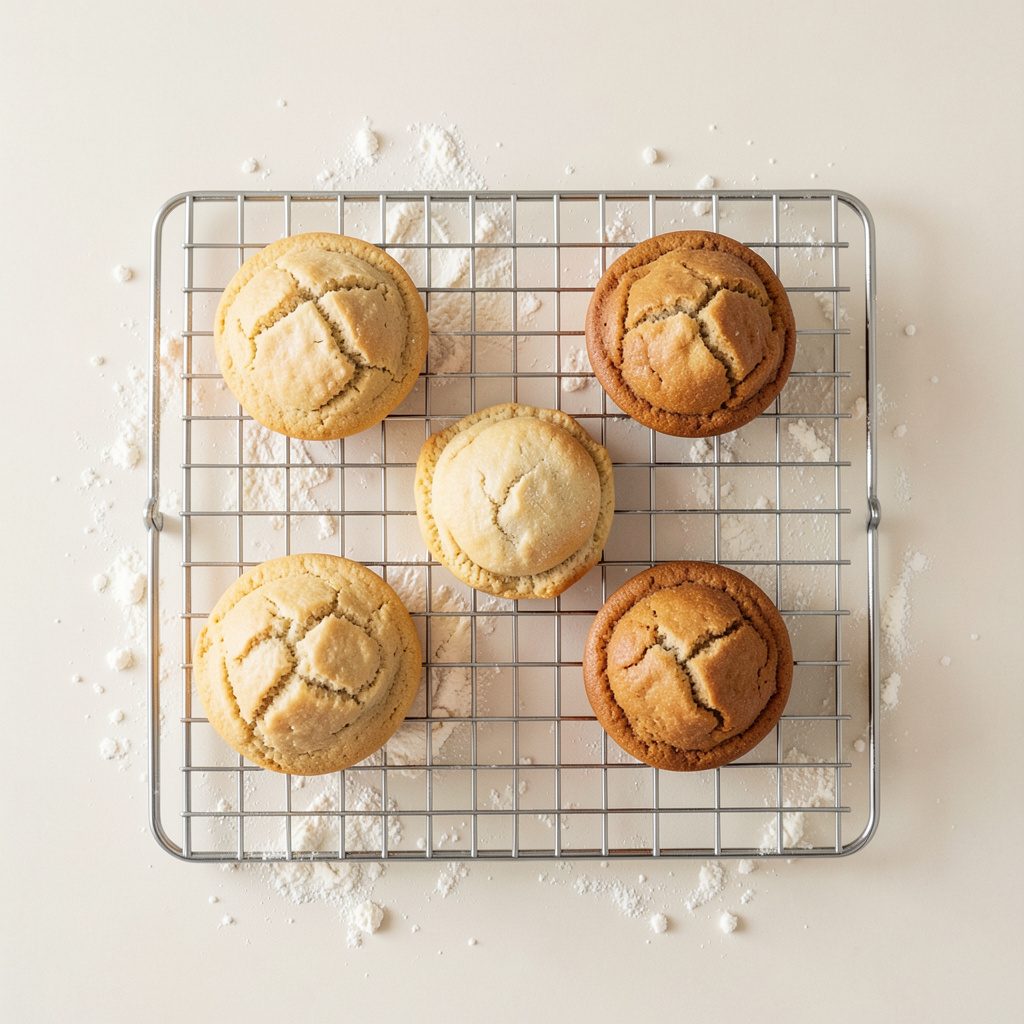
If the blueberries stain the dough, that is no cause for concern. Frozen berries tend to create more purple streaks, but they also help keep the butter cold. Handle them gently and fold the dough only enough to bring it together. A few cracks around the edge are preferable to a smooth, overworked ball.
For taller scones, cut the dough thicker and position the pieces so they are just touching. If the tops brown before the centre is cooked, place a loose sheet of foil over the tray for the final few minutes. A skewer should come out with a few moist crumbs, rather than wet dough.
Serving And Storing Suggestions
These lemon-scented scones are best on the day they are baked, especially after cooling for 10 minutes. Serve them with plain Greek yoghurt, ricotta or a little softened butter. A spoonful of blueberry compote is lovely, though fresh berries and lemon already give plenty of flavour. They fit comfortably into a weekend brekkie spread beside tea, coffee and seasonal fruit.
For school lunches or an office snack, cool the scones completely before packing them in an airtight container. They keep at room temperature for two days. To refresh one, warm it in a 160°C oven for five minutes. You can also freeze baked scones for up to two months; wrap them individually, then thaw at room temperature and reheat briefly.
A baked batch is practical in Australian kitchens because the fruit is flexible. Use blueberries in summer when they are sweet and affordable, or rely on frozen berries during cooler months. Raspberries, blackberries or chopped strawberries can replace some of the blueberries, though very juicy fruit may make the dough softer.
Balancing Nutrition And Flavour
Each scone contains wholemeal flour, fruit and a modest amount of sugar, making it a more sustaining choice than a heavily iced bakery pastry. The flour contributes fibre, while yoghurt or buttermilk adds moisture and a little protein. They are still a baked treat, so pairing one with fruit, yoghurt or a boiled egg makes a more complete breakfast.
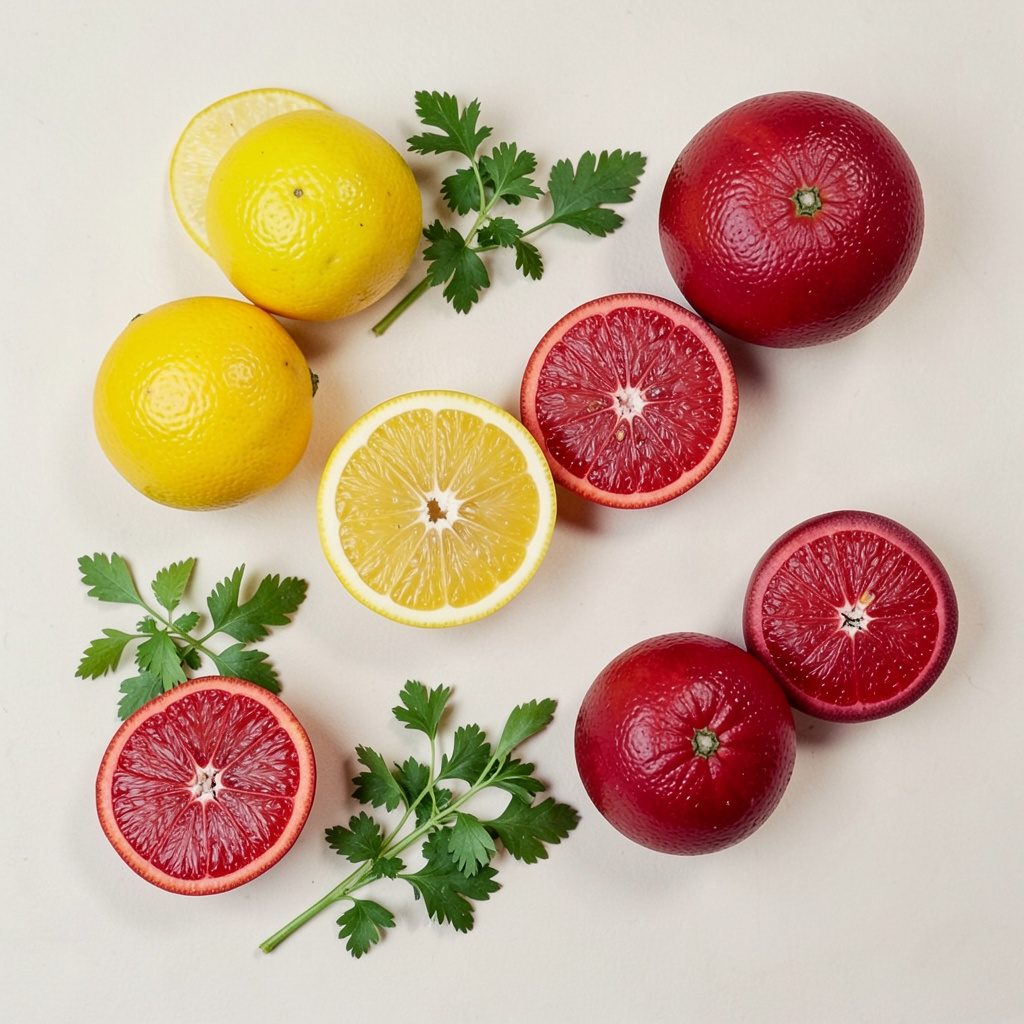
The lemon zest is the key to keeping the recipe lively. Much of a lemon’s aromatic oil is held in the yellow outer skin, so zesting before juicing captures flavour that lemon juice alone cannot provide. Rub the zest into the brown sugar with your fingertips to release those fragrant oils before mixing it into the flour.
This approach works with other low-sugar baking too: build flavour with citrus, spices, toasted nuts, ripe fruit and good-quality vanilla rather than simply increasing the sweetener. In a home kitchen, small details such as fresh zest and cold butter can make a simple recipe taste thoughtfully made.
Bake these scones until the tops are golden and the blueberries are just bursting, then serve them while the centres are still tender. Save a few for tomorrow’s lunchbox, or share the warm batch at the next morning tea.
From the kitchen


Stay close to the kitchen
Sign up for occasional notes, seasonal recipes, and gentle reminders to cook something good.