
Enticing Healthy Eating is a quiet corner of the web devoted to good food made simply.
The site gathers recipes, ingredient notes, and gentle guidance for anyone who wants to bring a little more nourishment to the table. Browse at your own pace, and take what serves you.
Overnight Steel Cut Oats That Reheat Beautifully
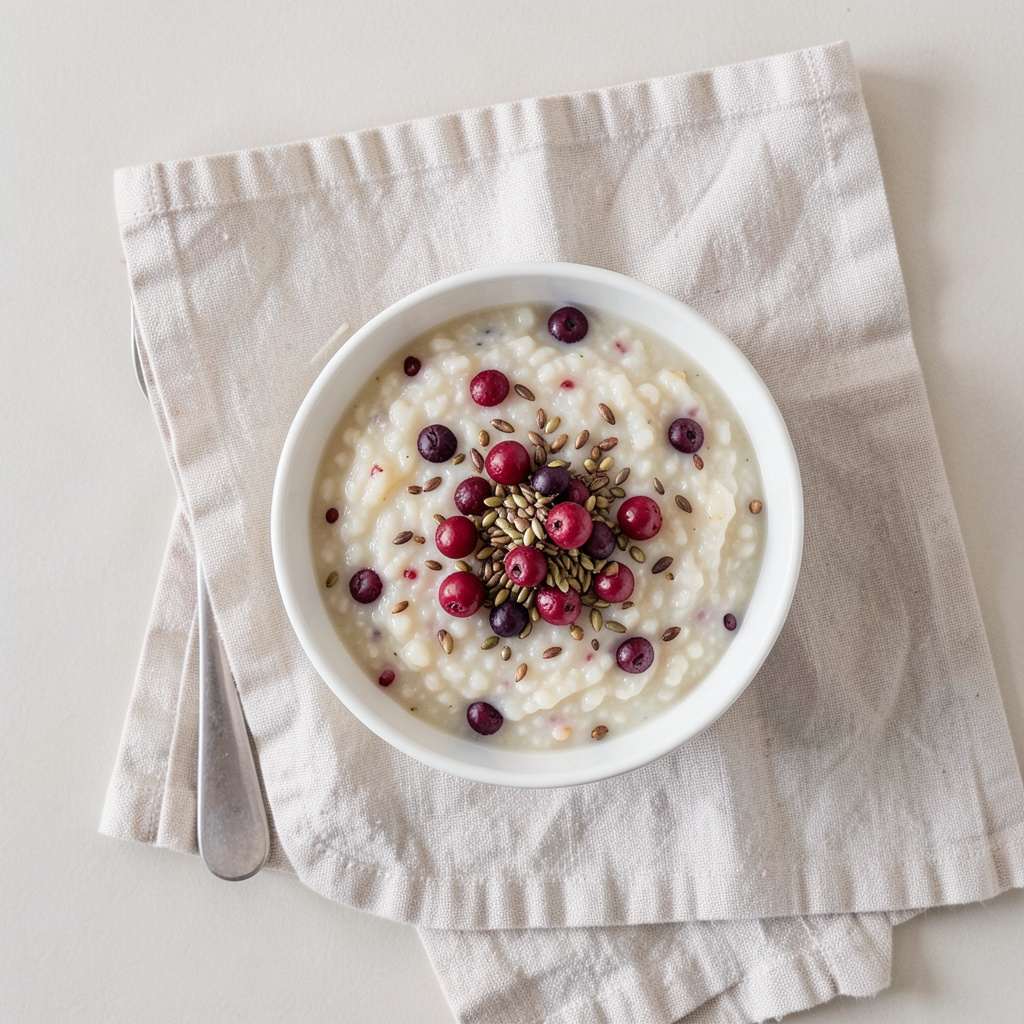
Steel cut oats make a hearty breakfast with a pleasantly chewy texture, but cooking them from scratch on a busy morning can take longer than most people want to spare. Preparing a batch the night before solves that problem while keeping the grains satisfyingly toothsome rather than soft and gluey.
The key is to cook the oats until they are just tender, cool them promptly, and reheat each portion with a splash of liquid. This approach gives you a warm bowl that tastes freshly made, even after several days in the fridge.
Steel cut oats are sometimes labelled pinhead oats in Australian shops. You can usually find them near rolled oats at Coles, Woolworths and independent grocers, though stock varies. Choose plain oats without added sugar or flavouring so you can adjust the sweetness and toppings yourself.
This recipe suits cool winter mornings in Melbourne, Canberra or Hobart, but it is useful year-round. In warmer parts of Australia, such as Brisbane or Perth, the oats can be cooled quickly and enjoyed chilled with yoghurt and fresh fruit when a hot breakfast feels less appealing.
| Method | Texture | Active time | Reheating result |
|---|---|---|---|
| Stovetop batch | Chewy and creamy | About 30 minutes | Very reliable |
| Slow cooker | Soft and spoonable | Minimal | Can become quite tender |
| Pressure cooker | Creamy with bite | About 25 minutes including release | Good, though less adjustable |
| Overnight soak, uncooked | Firm and rustic | Little active work | Needs a full cook before eating |
Choose The Right Oats And Liquid
Steel cut oats are whole oat groats chopped into small pieces, so they need more water and cooking time than rolled oats. For a batch that reheats well, use a ratio of one part oats to three parts liquid. This produces tender grains with enough moisture to loosen again the following day.
Water gives the cleanest oat flavour, while milk creates a richer, creamier result. A mixture of two cups of water and one cup of milk works well for one cup of oats. Dairy milk, soy milk and unsweetened oat milk are all suitable, although some plant milks thicken more than others.
A small pinch of salt is important because it brings out the natural sweetness of the grains. Add cinnamon, vanilla or a strip of orange zest during cooking if you like, but hold back most sweeteners until serving. Maple syrup, honey and brown sugar can make the mixture stick more readily to the saucepan if added too early.
Prepare The Batch The Night Before
For four servings, combine one cup of steel cut oats, three cups of liquid and a quarter teaspoon of salt in a heavy-based saucepan. Bring the mixture to a gentle simmer over medium heat, stirring often as it warms. Once bubbles appear, reduce the heat to low.
Cook for 20 to 25 minutes, stirring every few minutes, until the oats are tender but still show a little resistance when bitten. They should look looser than you want them to be in the bowl because they will continue absorbing liquid as they cool. If the mixture becomes thick before the grains soften, add a little extra water or milk.
Take the saucepan off the heat and stir through a teaspoon of butter, tahini or nut butter if you want a richer finish. Leave the lid slightly ajar while the oats cool for around 15 minutes. Do not leave a large warm pot sitting out for hours; divide it into shallow containers once the steam has reduced.
Keep The Texture Suitable For Reheating
The best make-ahead oats are slightly undercooked rather than fully soft. Aim for grains that are tender at the edges and chewy in the centre. Fully cooked oats can become dense and pasty after a night in the refrigerator, particularly if they were made with a high proportion of milk.
Portion the oats into four airtight containers while they are still warm but no longer steaming heavily. Let them cool briefly, then refrigerate them promptly. Australian food-safety guidance generally recommends keeping cooked food cold and avoiding long periods between cooking and chilling, especially during a hot summer in Sydney or Adelaide.
The oats will keep well for up to four days in a refrigerator set at 5°C or colder. Label the containers if you are preparing several breakfasts at once. If you will not eat the whole batch within that time, freeze individual portions for up to two months and thaw them overnight in the fridge.
Reheat Each Portion Gently
For stovetop reheating, place one portion in a small saucepan with two to four tablespoons of water, milk or plant milk. Warm over low to medium heat, stirring frequently, until the oats are hot and creamy. Add more liquid in small amounts rather than pouring in a large quantity at once.
The microwave is convenient for weekday mornings. Heat one portion uncovered for 60 seconds, stir well, then continue in 30-second bursts until hot. Cover the bowl loosely to reduce splattering, and allow the oats to stand for a minute before eating so the heat can distribute evenly.
If the oats seem stiff after refrigeration, do not assume they have failed. Steel cut grains continue to absorb liquid overnight. A splash of milk and a thorough stir usually restore the texture. For a particularly creamy result, stir in a spoonful of yoghurt after reheating rather than cooking the yoghurt in the saucepan.
Add Australian Seasonal Flavours
A plain batch is a flexible base for both sweet and savoury breakfasts. In winter, try stewed apple with cinnamon, roasted pear with walnuts, or a spoonful of quince paste softened with hot water. In summer, top the oats with sliced banana, mango, berries or stone fruit from a local farmers’ market.
Toasted macadamias bring a distinctly Australian touch, especially with banana, honey and a pinch of cinnamon. You could also add shredded coconut, pepitas or crushed almonds for crunch. Keep these toppings separate until serving so they do not soften in the refrigerator.
For a savoury version, cook the oats in vegetable stock instead of milk and water. Stir through sautéed mushrooms, wilted spinach and grated cheddar, then finish with a poached egg or a little chilli oil. This makes a substantial breakfast for a chilly morning and offers a useful alternative to the usual sweet brekkie.
Balance Sweetness And Toppings
Add sweetener after reheating, when you can taste the actual texture and flavour of the oats. Start with half a teaspoon of maple syrup, honey or brown sugar per serving. Ripe fruit may provide enough sweetness on its own, while dates or sultanas add a softer, caramel-like flavour as they warm.
Use a mixture of textures to keep the bowl interesting: creamy yoghurt, crisp seeds, juicy fruit and something aromatic such as cinnamon or lemon zest. A spoonful of almond butter or peanut butter melts into the hot oats and adds protein and richness.
If you are planning a special weekend breakfast, keep the oat base simple and make the toppings feel generous. A drizzle of honey, toasted coconut and seasonal fruit can turn an everyday make-ahead breakfast into something that feels more celebratory. For further ideas when planning a sweet spread, explore these creative cake recipes alongside your breakfast menu.
Solve Common Problems
If your oats are watery, simmer the uncovered batch for a few extra minutes before portioning it. If they are already refrigerated, reheat them gently and let them sit for two minutes; the grains will continue thickening. If they are too thick, loosen them with warm liquid rather than cold milk, which can make the texture uneven.
A scorched flavour usually means the heat was too high or the saucepan was too thin. Use a heavy-based pot and stir across the bottom, particularly during the final ten minutes. If the bottom has caught, transfer the unburnt oats to a clean pan without scraping the stuck layer into the mixture.
For a slow cooker version, combine the oats and liquid in a greased cooker and cook on low for about seven to eight hours. This is convenient, but the edges may become quite soft and dry. Stir in extra liquid before serving and avoid using a larger cooker than needed, as excessive surface area can lead to uneven cooking.
Preparing a batch on Sunday evening gives you several dependable breakfasts with very little weekday effort. Store toppings separately, reheat one portion at a time, and adjust the consistency with a splash of liquid. Make your next batch with seasonal Australian fruit, toasted macadamias or savoury vegetables, and keep this practical breakfast in regular rotation.
From the kitchen


Stay close to the kitchen
Sign up for occasional notes, seasonal recipes, and gentle reminders to cook something good.