Enticing Healthy Eating is a quiet corner of the web devoted to good food made simply.
The site gathers recipes, ingredient notes, and gentle guidance for anyone who wants to bring a little more nourishment to the table. Browse at your own pace, and take what serves you.
The perfect mushroom and leek quiche with a nut crust
A quiche works best when its edges are tender, its centre is just set, and every layer tastes deliberate. This mushroom and leek quiche brings the savoury depth of browned fungi to the mild sweetness of leeks, all held in a creamy egg custard. The nut crust adds a crisp snap and turns a useful leftovers lunch into a dish worth planning a gathering around.
In an Australian kitchen, the ingredients are refreshingly straightforward: leeks, mushrooms, eggs, cream, cheese and pantry nuts are all familiar. Coles and Woolworths stock button, flat brown and chestnut mushrooms, while Melbourne’s Queen Victoria Market and local farmers’ markets are good places to look for fresher produce and interesting mushroom varieties. Recipe weights are given in grams and temperatures in Celsius, as many Australian home cooks prefer.
The key is balance. Too much filling makes a quiche heavy; too little cream gives it a dry, spongey texture. Browning the mushrooms, sweating the leeks gently and pressing the filling into a well-baked shell create the right density. The same careful approach also makes the recipe forgiving, so it can be prepared ahead for a weekend brunch or an easy dinner.
Create a crisp, buttery nut crust
For a 23-centimetre quiche tin, combine 100g walnuts or hazelnuts, 140g plain flour, 60g cold unsalted butter and ½ teaspoon fine salt. Pulse the nuts in a food processor until finely chopped, then work in the butter and flour. The mixture should resemble damp coarse crumbs, with a few pieces of nut still visible for texture.
Tip the crumbs into the tin and press firmly, especially around the base and corners. Keep the layer about 3mm thick; too thick and it may stay pale, while too thin can crack under the custard. If the crumbs feel dry, add a teaspoon of cold water at a time. Chill the shaped shell for 15 minutes so the butter firms and the crust can hold its edge.
Bake the blind shell at 180°C conventional or 160°C fan for 15 minutes with baking weights, then remove the weights and bake for another 5 to 8 minutes until the base looks dry. A light golden edge is ideal. Cool the shell slightly before adding the filling, and use this pause to check that the tin sits level on your oven rack.
Cook the leeks until mellow and sweet
Trim the leeks and keep the tender white and pale-green sections; slice them into thin half-moons and wash thoroughly between the layers. Leeks often conceal grit, especially near the root, so a good rinse matters. Reserve a little of the darkest green for stock if you like, or chop it finely for a salad where it will soften pleasantly.
Melt 20g butter in a wide frying pan over medium-low heat. Add the leeks with a pinch of salt and cook patiently for 10 to 12 minutes, stirring now and then, until collapsed and sweet but not browned. A splash of water and a lid will help them soften without the pan becoming crowded.
Once the leeks are tender, cook off any excess liquid and transfer them to a bowl. Taste a small piece before seasoning; they need less salt than you may expect because the custard and cheese will also contribute. Let them cool a little, as filling a hot shell with steaming vegetables can create unnecessary condensation.
Brown the mushrooms for deep flavour
Use firm, dry mushrooms rather than slimy or overmature ones. Button and flat brown mushrooms are dependable, while chestnut mushrooms bring a deeper, almost meatier note. Tear larger caps into bite-size pieces so their uneven surfaces catch more colour, and leave small button mushrooms whole if you prefer a tidier filling.
Heat a separate pan until properly hot, add a little butter or oil, and arrange the mushrooms in one layer. Leave them alone for a minute or two before turning so each side can brown. Crowding the pan lowers the temperature and traps moisture, which is the quickest route to grey, watery mushrooms and a flat-tasting quiche.
Season the browned mushrooms with salt, black pepper and a pinch of nutmeg, then combine them with the cooled leeks and 80g grated Gruyère or sharp cheddar. Add a teaspoon of fresh thyme leaves if they are available, or half a teaspoon of dried thyme. Taste the mixture before it goes into the shell.
Blend a smooth, balanced custard
Whisk 3 large eggs with 250ml full cream, 100ml milk, a good pinch of salt and freshly ground black pepper. The cream gives a rich set, while the milk keeps the custard lighter and more approachable than an all-cream mixture. For a deeper flavour, add 20g finely grated parmesan, but restraint is useful because the mushrooms, leeks and nuts already carry plenty of savoury character.
Pour the eggs and cream through a fine sieve into a jug, then whisk again briefly. This removes any chalaza or stray shell and gives a more even custard. Avoid vigorous whisking, which creates bubbles that can make the surface less smooth. If you enjoy keeping a kitchen record, these cooking observations are a useful reminder to note ratios, temperatures and changes as you cook.
Assemble and bake the quiche
Lower the prepared filling into the cooled nut shell in two or three additions, pressing it into an even layer rather than packing it down. Pour over the custard until the liquid reaches about 3mm below the rim. Scatter with another 20g cheese and a few thyme leaves for a lightly baked top, then set the tin on a level rack in the centre of the oven.
Bake at 180°C conventional or 160°C fan for 35 to 40 minutes. The quiche is ready when the edges are puffed and set, the centre still has a gentle wobble, and a knife inserted near the middle comes out clean. If the crust darkens too quickly, loosely cover it with foil; a pale, fragile shell is not worth trading for a very dark top.
Let the quiche rest for 15 to 20 minutes so the custard can firm slightly and the slices will hold their shape. Serve it warm, although a room-temperature quiche is equally good with salad. For a make-ahead option, cover the uncooked filled tin and refrigerate it for up to 24 hours, or bake it, cool and refrigerate for three days before reheating gently.
Compare the nut crusts
Not every nut behaves the same in a tart shell. Walnuts bring a robust flavour, hazelnuts taste rounder and sweeter, and almonds create a more mellow crumb. Each can replace the walnut measure gram for gram. Toasting the nuts briefly before grinding develops their aroma, but keep them in the pan until they smell fragrant; once the oil begins to smoke, they will turn bitter very quickly.
Choose the nut that suits the filling and the people at your gathering, and measure by weight for the most consistent result. If someone has a tree-nut allergy, do not treat a seed crust as an automatic substitute without checking every other ingredient and the risk of cross-contact. The same care matters when serving a mixed group.
| Nut | Flavour | Crumb | Best use |
|---|---|---|---|
| Walnut | Deep and lightly bitter | Crisp, occasionally dry | Rich mushroom fillings; toast briefly |
| Hazelnut | Sweet and buttery | Fine and tender | Leeks and classic quiche flavours |
| Almond | Mild and lightly sweet | Firm and dense | Subtler custards and vegetable fillings |
| Pecan | Buttery and mellow | Crisp and substantial | Thyme-seasoned mushrooms; avoid high heat |
Bring the quiche to your gathering
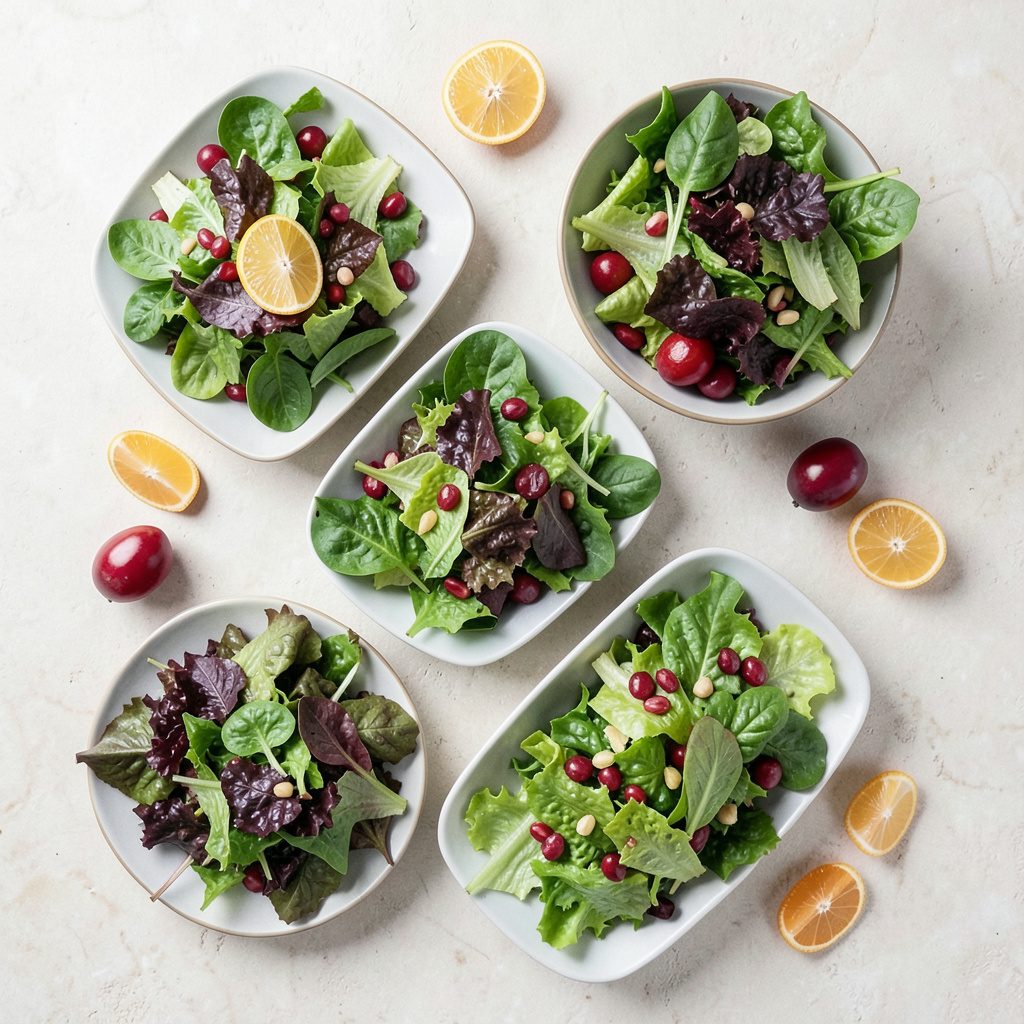
Place the finished quiche at the centre of the meal with a simple green salad, dressed with lemon, olive oil and plenty of black pepper, or add a handful of tender leaves from the garden. It works for Sunday brunch, a relaxed dinner, or the sort of unpretentious arvo coffee that stretches into a shared meal. Fresh vegies on the side keep each slice balanced.
Choose your tin and nuts today, make a short shopping list, and give the leeks enough time to soften without rushing the final bake. When the shell is crisp, the custard creamy and the vegetables deeply savoury, serve the quiche while it is still warm and bring it to the centre of the gathering.
From the kitchen
Stay close to the kitchen
Sign up for occasional notes, seasonal recipes, and gentle reminders to cook something good.