Enticing Healthy Eating is a quiet corner of the web devoted to good food made simply.
The site gathers recipes, ingredient notes, and gentle guidance for anyone who wants to bring a little more nourishment to the table. Browse at your own pace, and take what serves you.
How to build a grain bowl that keeps you full
Learning how to build a grain bowl that keeps you full comes down to balance, not a pile of trendy grains. A small serve of plain quinoa may not carry you far, while a generous mix of whole grains, protein, vegetables and a little fat can satisfy hunger for hours. The aim is a complete meal with substance, colour and contrast.
A practical formula is 1 to 1½ cups of cooked grain, 100 to 150 g of protein, about 2 cups of vegetables and 1 to 2 tablespoons of dressing. Treat those figures as a starting point, then adjust according to your appetite and the rest of your day. A smaller bowl can work before a late dinner; a larger one suits an active afternoon.
The beauty of this style of eating is that the components stay flexible. Serve the grains warm in winter or chill them for summer, change the vegetables with the season, and use the same basic formula for lunch, dinner or a light meal. Once you understand the balance, you can build a satisfying bowl without relying on a fixed recipe.
Begin with a steady base
Brown rice, quinoa, pearl barley and freekeh all make dependable bases because they provide plenty of chew and fibre. Rolled or steel-cut oats can also be used, particularly in breakfast-style bowls. Aim for enough grain to give the meal a proper foundation, but leave room for the other ingredients rather than filling the bowl with carbohydrates alone.
Cook a batch of grains at the beginning of the week and refrigerate them in shallow containers. A splash of stock or lightly salted water during cooking adds flavour without making the grains taste heavy. Toasting dry grains briefly before cooking gives nutty, roasted notes, while adding herbs, lemon zest or a spoonful of tahini after cooking makes a plain batch more interesting.
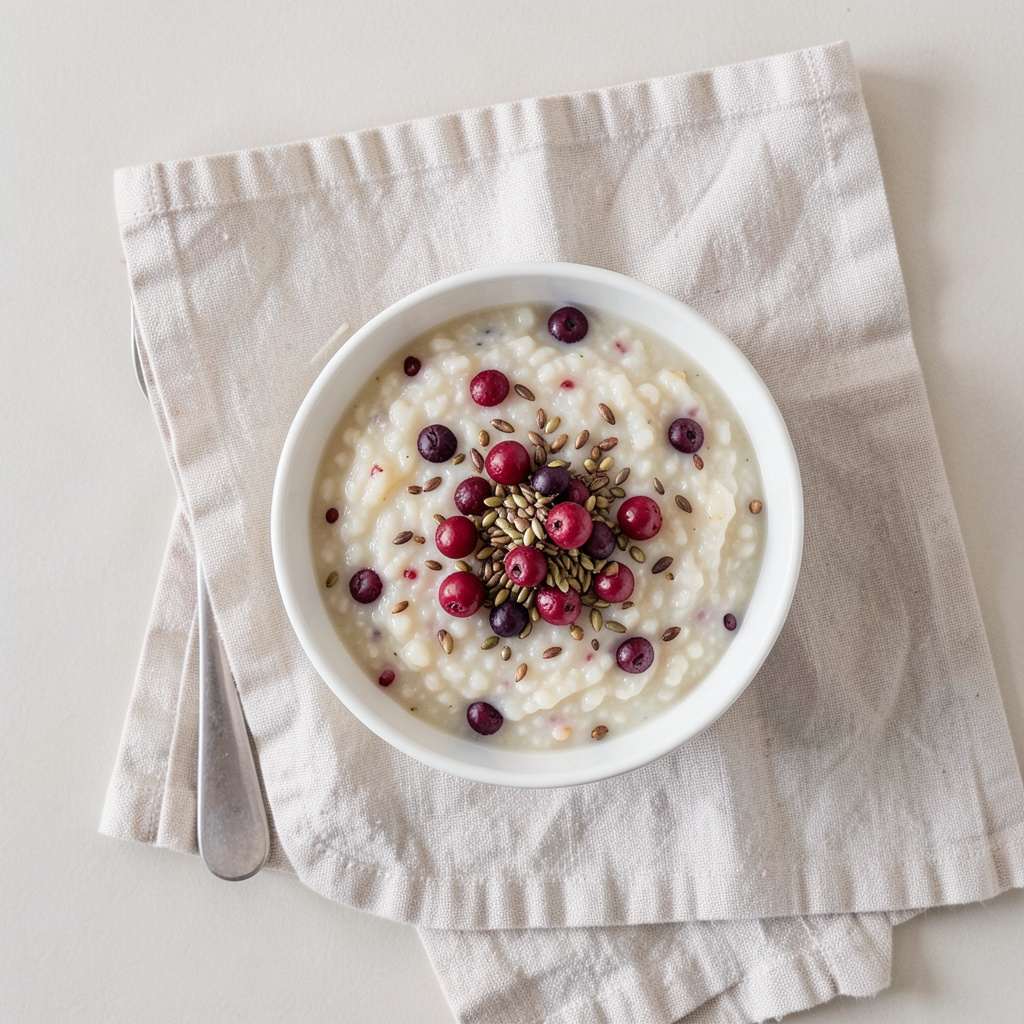
For a warm breakfast bowl, follow the same logic with slow-cooked cinnamon apples: creamy steel-cut oats form the base, while yoghurt, walnuts and pumpkin seeds add protein, richness and crunch. Savoury versions work just as well with cinnamon omitted and the apples replaced with roasted pumpkin or sweet potato.
Add a protein anchor
Protein turns a collection of vegetables and grains into a satisfying meal. Grilled chicken, prawns, tuna, eggs, firm tofu, tempeh, lentils and chickpeas are all useful choices. Aim for roughly 100 to 150 g of meat, fish or tofu, or about three-quarters to one cup of cooked beans, lentils or chickpeas.
Give the protein a clear flavour before it enters the bowl. Marinate tofu in soy, garlic and ginger, or dress chickpeas with olive oil, lemon and smoked paprika. Leftover chicken can be shredded through a warm bowl, while hard-boiled eggs make a quick, filling addition when little time is available. Even a modest serving matters more than a large portion of something heavily sauced.
Coles and Woolworths make it straightforward to stock several alternatives without buying every ingredient at once. Keep plain cooked grains, canned chickpeas or lentils, eggs and a block of tofu at home, then choose whichever suits the bowl that day. Frozen broccoli, peas and edamame are particularly useful for a fast weeknight version and often provide better value than unused fresh produce.
| Component | Strong choices | What it contributes | Useful amount |
|---|---|---|---|
| Whole-grain base | Brown rice, quinoa, barley, freekeh | Carbohydrate, fibre and lasting chew | 1–1½ cups cooked |
| Protein | Chicken, tofu, tempeh, tuna, eggs, chickpeas | Protein and staying power | 100–150 g or ¾–1 cup |
| Vegetables | Spinach, broccoli, pumpkin, capsicum, carrot | Bulk, fibre, colour and micronutrients | About 2 cups |
| Creamy finish | Avocado, yoghurt, tahini, seeds or nuts | Healthy fat and richness | 1–2 tablespoons or a small serve |
Build colour and texture
Vegetables should make up a substantial part of the bowl rather than acting as a garnish. Roughly two cups will provide volume, fibre and a wide range of flavours. Spinach and rocket work well raw, while broccoli, cauliflower, pumpkin, beetroot and sweet potato become especially good when roasted or pan-cooked.
Different cooking methods create the contrast that keeps a grain bowl enjoyable. Roast broccoli and pumpkin at 200°C until their edges caramelise, then add them to warm brown rice or barley. Keep cucumber, cabbage and tender greens raw for freshness, or quickly sauté them with garlic and a little sesame oil. The grains can be warm while the vegetables are cool, which works particularly well in warmer weather.
A small rich finish helps each mouthful feel complete. Add a spoonful of tahini, a few roasted seeds, chopped walnuts or a slice of avocado. These ingredients contribute fat as well as texture, slowing the meal and making vegetables and grains more satisfying. Keep the portion generous enough to notice, but light enough that the bowl does not become excessively rich.
Balance the dressing
A good dressing brings the ingredients together without hiding them. Combine an acidic element, such as lemon juice, lime, rice vinegar or balsamic vinegar, with a fatty element such as olive oil, tahini or yoghurt. Season with salt, pepper and something aromatic, then taste before adding it to the bowl.
Lemon-tahini dressing works with roasted vegetables, chickpeas and warm grains. A yoghurt dressing made with lemon, garlic and fresh herbs suits chicken, cucumber and cucumber-based salads. Miso, sesame oil and rice vinegar create a punchy option for tofu, cabbage and brown rice. Aim for about two tablespoons, adjusting the recipe to suit the quantity of dressing already present in the ingredients.
Add dressing too early and the grains can become soft while the vegetables lose their texture. For a bowl intended to be eaten straight away, drizzle it over just before serving. For leftovers, keep the dressing in a separate jar and add it when needed. Pack crisp toppings separately as well, particularly if the bowl will spend time in a lunchbox before lunch.
Plan around Australian seasons
Seasonal produce makes a noticeable difference to both flavour and value. Across southern Australia, summer brings tomatoes, capsicum, cucumber, mangoes and stone fruit. Winter is the time for pumpkin, broccoli, cauliflower, spinach and hardy greens. A cold bowl of barley with roast pumpkin and chickpeas can be just as appealing as a chilled quinoa bowl with mango and prawns.
The Australian habit of serving fresh fruit at Christmas also works beautifully in grain bowls. Combine quinoa with sliced mango, cucumber, mint, yoghurt and cashews for a fresh lunch, or add roasted peaches to brown rice with cinnamon and almonds. These combinations suit long summer lunches and picnics, where a substantial bowl is often more useful than several small plates.
Melbourne’s Queen Victoria Market and Sydney’s The Rocks Markets offer opportunities to buy seasonal vegetables directly from growers and traders. Look for firm root vegetables, leafy greens and fruit that is ready to eat rather than choosing only the most decorative produce. Elsewhere, supermarket seasonal specials can help stretch the shopping list, especially for beans, grains and frozen vegetables that will be used in several meals.
Store, refresh and enjoy
Most cooked grains, vegetables and proteins will keep for three to four days when refrigerated promptly. Cool them within two hours, store them in sealed containers and keep strongly flavoured ingredients such as dressed chickpeas or marinated tofu separate from plain rice. This prevents the grains from absorbing excess moisture and becoming unappetising by the second day.
A leftover bowl does not need to be reheated in the same way. Add fresh greens and a warm grain base for lunch, turn the mixture into a salad with extra lemon, or serve it with a boiled egg and a spoonful of yoghurt. Small changes create enough variation to make batch cooking worthwhile without turning every lunch into the same meal.
Save the formula for your next shop: choose one grain, one protein, two vegetables and one dressing, then add something crisp or creamy to finish. Build that bowl tonight, keep the dressing separate for tomorrow and let each new season guide the next variation.
From the kitchen
Stay close to the kitchen
Sign up for occasional notes, seasonal recipes, and gentle reminders to cook something good.