
Enticing Healthy Eating is a quiet corner of the web devoted to good food made simply.
The site gathers recipes, ingredient notes, and gentle guidance for anyone who wants to bring a little more nourishment to the table. Browse at your own pace, and take what serves you.
Cranberry Orange Oatmeal Cookies With White Chocolate
These cranberry orange oatmeal cookies bring together chewy rolled oats, bright citrus zest, tart dried cranberries and creamy white chocolate. The flavour sits comfortably between a classic biscuit and a cosy breakfast-style treat, with enough sweetness for afternoon tea without becoming cloying.
They are especially lovely in an Australian kitchen, where oranges are plentiful through the cooler months and a batch of biscuits is welcome after school, at a weekend barbecue or alongside a flat white. The dough comes together with familiar pantry ingredients, and the recipe suits both fan-forced and conventional ovens.
The Balance Of Tart Citrus And Creamy Chocolate
The character of these cookies comes from contrast. Oats add a gently nutty, hearty texture; cranberries bring a concentrated sour-sweet note; orange zest keeps the white chocolate from tasting too rich. A small amount of orange juice softens the cranberries while adding fragrance to the dough.
| Choice | Effect on the cookies | Best approach |
|---|---|---|
| Rolled oats | Chewy, substantial texture | Use traditional oats, not quick oats |
| Dried cranberries | Tart pockets of fruit | Chop large pieces lightly |
| Orange zest | Fresh citrus aroma | Zest only the coloured skin |
| White chocolate | Creamy sweetness | Use a chopped block or good-quality buttons |
| Brown sugar | Moist, caramel-like flavour | Combine with caster sugar for balanced edges |
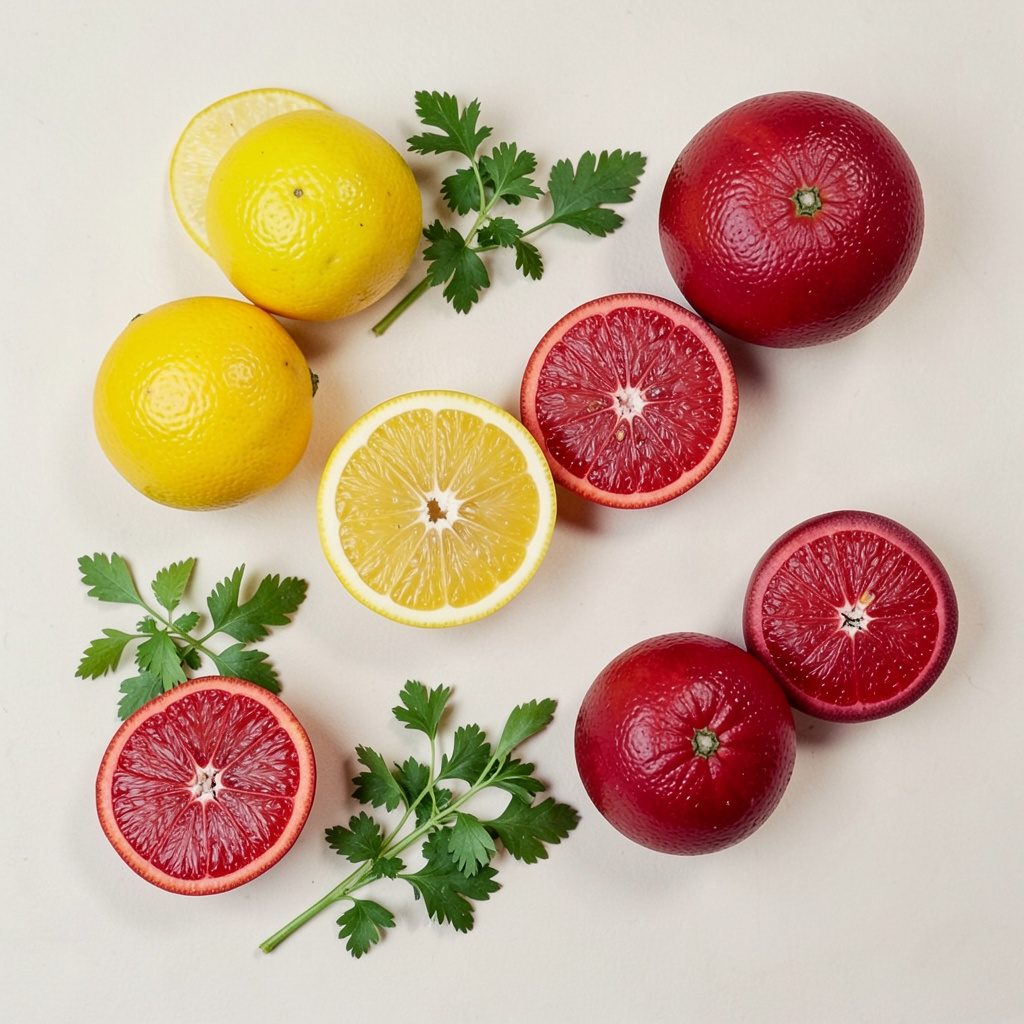
For Australian measurements, use a 250 ml cup and weigh the flour where possible. Valencia or navel oranges work beautifully, while locally grown blood oranges can add a subtle berry-like colour and flavour when they are in season. Choose unwaxed fruit if available, or wash and dry the skin well before grating.
Ingredients That Build Better Texture
You will need 125 g unsalted butter, softened; ½ cup firmly packed brown sugar; ⅓ cup caster sugar; one large egg; one teaspoon vanilla extract; the finely grated zest of one orange; one tablespoon orange juice; 1¼ cups plain flour; 1½ cups traditional rolled oats; ½ teaspoon bicarbonate of soda; ½ teaspoon baking powder; and a pinch of fine salt.
Fold through ¾ cup dried cranberries and ¾ cup chopped white chocolate. If the cranberries are particularly dry, soak them in the orange juice for 10 minutes, then drain and pat them dry. This keeps them tender without adding excess liquid to the dough. For a slightly less sweet biscuit, use ½ cup white chocolate and add two tablespoons of pepitas or chopped almonds.
Avoid replacing the rolled oats with instant porridge oats. Quick oats absorb moisture differently and can make the cookies dense rather than pleasantly chewy. Likewise, freshly grated zest is far more aromatic than bottled orange essence, which tends to taste flat beside the fruit and chocolate.
A Reliable Mixing Method
Begin by heating the oven to 170°C conventional or 160°C fan-forced. Line two baking trays with baking paper. Beat the softened butter, brown sugar and caster sugar for two to three minutes, until the mixture looks creamy and slightly lighter. This step helps the biscuits spread evenly while retaining a soft middle.
Beat in the egg, vanilla, orange zest and juice. In a separate bowl, stir together the flour, oats, bicarbonate of soda, baking powder and salt. Add the dry ingredients to the butter mixture and stir just until no dry flour remains. Fold through the cranberries and white chocolate with a spatula.
The dough should be soft but easy to scoop. If the kitchen is warm, or the butter became very soft during mixing, refrigerate the dough for 20 to 30 minutes. Chilling is particularly useful in Australian summer weather, when a warm bench can make biscuits spread before their edges have time to set.
Getting Crisp Edges And Soft Centres
Scoop heaped tablespoons of dough onto the prepared trays, leaving about 6 cm between each mound. Roll them lightly with your hands, then flatten each one just a little. Bake for 11 to 14 minutes, swapping the trays halfway through if your oven has a hot spot.
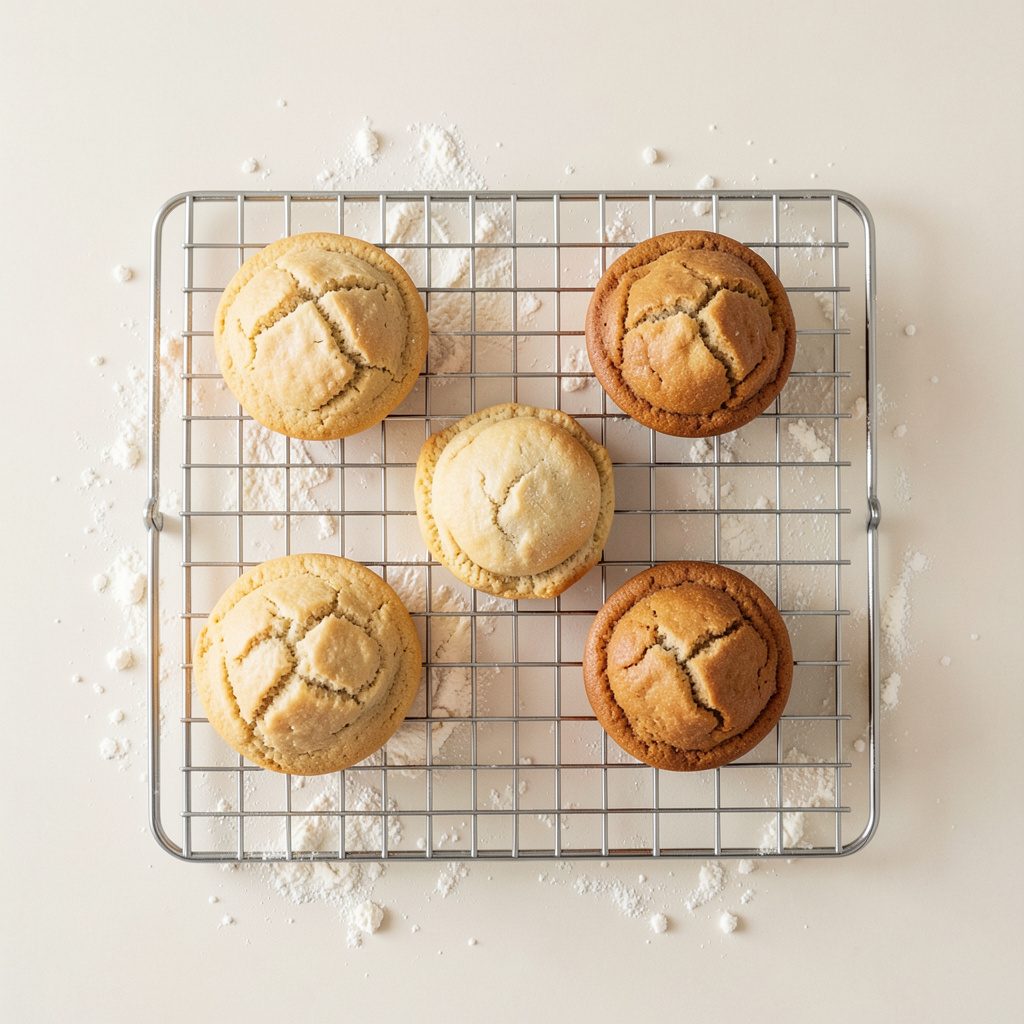
Look for lightly golden edges and centres that still appear a little soft. The cookies will firm as they cool, so baking until the middle is completely dark golden can result in a dry, crunchy biscuit. Leave them on the trays for five minutes, then transfer them to a wire rack.
If your cookies spread too far, chill the remaining dough and check that the butter was measured accurately. If they stay too round, press the next batch down more firmly before baking. Oven temperatures vary, even between newer models, so the first tray is a useful guide for adjusting the timing.
Easy Swaps For Australian Kitchens
Dried cranberries are widely available at Coles, Woolworths, Aldi and independent grocers, although prices can rise when imported dried fruit is in short supply. Sultanas or chopped dried apricots make practical alternatives. Apricots are especially good with orange and white chocolate, though they create a sweeter overall biscuit.
For a more wholesome everyday version, replace ½ cup of the plain flour with wholemeal plain flour. The flavour becomes more toasted and robust, and the cookies may need an extra minute in the oven. Spelt flour also works, but add it gradually because different brands absorb moisture at different rates.
White chocolate can be swapped for chopped macadamias, dark chocolate or a mixture of both. Macadamias give the biscuits an unmistakably Australian touch and add a gentle crunch. Coconut flakes are another good option, though use unsweetened coconut if you want the cranberries and orange to remain the main flavours.
Serving, Storing And Sharing
Serve the cookies slightly warm, when the white chocolate is still soft, or allow them to cool completely for a firmer lunchbox texture. They are ideal with tea, a long black or a milky coffee, and they travel well for a picnic at the Botanic Gardens or a morning at the local oval.
Store cooled biscuits in an airtight container for up to five days. Place baking paper between layers if the chocolate remains sticky. The unbaked dough can be portioned and frozen on a tray, then transferred to a freezer bag. Bake from frozen at the same temperature, adding two or three minutes to the cooking time.
For a little inspiration from a family-focused baking space, these family baking ideas can sit alongside this recipe when planning a weekend kitchen session. A double batch is useful for school lunchboxes, though keep a few aside before everyone reaches for one with their afternoon cuppa.
A Smaller Batch For Everyday Baking
The recipe makes about 24 medium cookies, depending on the scoop size. For a smaller household, halve all the ingredients and use half an egg by whisking one egg in a cup, then measuring roughly two tablespoons. The smaller mixture usually bakes in one tray and is a good way to enjoy fresh biscuits without filling the pantry with leftovers.
If you prefer generous café-style cookies, make 16 larger portions and bake for 14 to 16 minutes. The edges should still be golden while the centres remain tender. Press a few extra pieces of white chocolate and cranberry into the tops before baking for a more polished finish.
These cookies offer a gentle way to bring more oats and fruit into home baking while keeping the pleasure of a proper sweet treat. Gather the orange, oats and chocolate, put the kettle on, and bake a batch to share while they are still warm.
From the kitchen
Stay close to the kitchen
Sign up for occasional notes, seasonal recipes, and gentle reminders to cook something good.