Enticing Healthy Eating is a quiet corner of the web devoted to good food made simply.
The site gathers recipes, ingredient notes, and gentle guidance for anyone who wants to bring a little more nourishment to the table. Browse at your own pace, and take what serves you.
Creamy grits with roasted mushrooms and cheddar
Creamy grits with roasted mushrooms and cheddar bring together two very different textures: spoon-soft corn and deeply browned mushrooms. The result feels substantial enough for a slow breakfast, yet simple enough for a weeknight dinner. Sharp cheddar adds savoury richness, while a final spoonful of butter softens the grains and ties the whole bowl together.
The key is to treat each component separately before bringing them together. Mushrooms need high heat for deeply caramelised edges, and the grits benefit from patient stirring. Cooking both at once often leads to mushrooms that steam in their own juices and grits that become gluey underneath. This method makes four generous servings in about forty minutes.
A satisfyingly earthy breakfast
Corn and mushrooms share a natural affinity because both have deep, earthy flavours that intensify with gentle browning. Plain porridge-style oats can overwhelm the delicate notes of the mushrooms, while soft white polenta lacks the slightly coarse texture that makes grits satisfying. A medium-ground corn grits gives the best balance: creamy enough to hold the cheddar, but distinct enough to retain some bite.
Texture is just as important as flavour. The mushrooms should have crisp, mahogany edges and juicy centres, while the grits should be thick enough to hold the spoon upright without standing like paste. A little chopped parsley or chives adds freshness, but restraint matters because the dish already has plenty of flavour from the cheddar and roasted mushrooms.
Working in reverse also prevents the final assembly from becoming rushed. Start the mushrooms first so they can roast while you measure the grits and warm the milk. Cook the grains next, then fold in the cheese and butter. By the time the mushrooms need their final roast, the base should be ready to receive them.
Choosing ingredients for Australian kitchens
Australian cooks can source most of what this dish needs without a specialist shop. Melbourne’s Queen Victoria Market is a reliable place to select mushrooms, fresh thyme and cheese from independent stalls. Sydney’s growers’ markets often offer seasonal produce directly from small farms, while Brisbane’s Paddington-area markets provide good choices in herbs and regional cheeses. These are also useful places to compare the aroma of different cheddar blocks before committing to a meal.
For the recipe, use about 250 grams of mushrooms and 180 grams of coarse or stone-ground grits. Button mushrooms work beautifully because their high moisture content becomes concentrated in the oven. Chestnut mushrooms bring a meatier texture, while flatter field mushrooms offer the most surface area for browning. Cut them into thick pieces so they do not collapse before the edges colour.
Sharp cheddar is the classic choice, but vintage Australian cheddar gives the dish extra depth. Buy a block rather than pre-shredded cheese, as grated cheddar melts more evenly and creates a smoother sauce. You will need roughly 120 grams, including a small handful for serving. One sliced shallot, two garlic cloves, fresh thyme, butter, olive oil, sea salt and black pepper complete the ingredient list.
Metric measurements are especially helpful here because the liquid-to-grain ratio determines the final texture. Keep milk and water in separate jugs so you can adjust the consistency near the end. Australian supermarkets generally stock button and chestnut mushrooms throughout the year, although locally grown mushrooms may be smaller and more seasonal in flavour.
Roasting mushrooms for concentrated flavour
Heat the oven to 220°C fan or 230°C conventional. Arrange the mushrooms in a single layer in a roasting dish, toss them with a tablespoon of olive oil and a small pinch of salt, then roast for 15 to 20 minutes. Crowding the tray creates steam, so use two dishes if necessary. The pieces are ready when their undersides are deeply browned and their juices have reduced to a glossy coating.
Keep the seasoning restrained at this stage because the cheddar will contribute plenty of salt later. Black pepper works well, but wait until the mushrooms are almost finished before adding it so the pepper does not burn. A light drizzle of oil also helps the mushrooms colour without needing a heavy, greasy coating.
During the final five minutes, add a tablespoon of softened butter, the sliced garlic and several thyme sprigs to the tray. The residual heat melts the butter and perfumes the mushrooms without overcooking the garlic. If the tray looks dry, add a splash of water and scrape up the concentrated mushroom juices.
For the cleanest flavour, tear the larger mushrooms apart instead of cutting every piece into identical cubes. Their irregular surfaces catch more heat and create extra crisp edges. Leave the garlic in whole or lightly crushed cloves; it can be squeezed over the finished bowl or left in the tray for anyone who prefers a milder aroma.
Cooking grits into a creamy base
Combine 500 millilitres of full-cream milk with 250 millilitres of water in a heavy saucepan. Bring the liquid just to a simmer, then gradually whisk in the grits. Add them slowly at first, stirring continuously, before reducing the heat to low. This prevents dry pockets and helps the grains cook evenly.
Quick-cooking grits usually need 10 to 15 minutes, while stone-ground varieties can take 25 to 35 minutes. Stir every minute or two, particularly during the final stage, and scrape the bottom of the pan where the grains can begin to catch. If the mixture becomes too thick before the grains are tender, add warm water or milk a little at a time.
The grains are ready when they are tender but still show a faint resistance between the teeth. Taste before adding extra salt because the broth may already be seasoned, especially if you have used salted butter. Keep the heat very low while you grate the cheddar, since a hard boil can make the dairy proteins separate and create a grainy sauce.
Remove the pan from the heat and add most of the grated cheddar. Stir until it melts completely, then fold through the butter. Cover the pan for two minutes to let the steam soften the grains further. The finished consistency should be creamy and flowing, with the mushrooms sitting on top rather than sinking into a heavy porridge.
Layering texture and cheddar
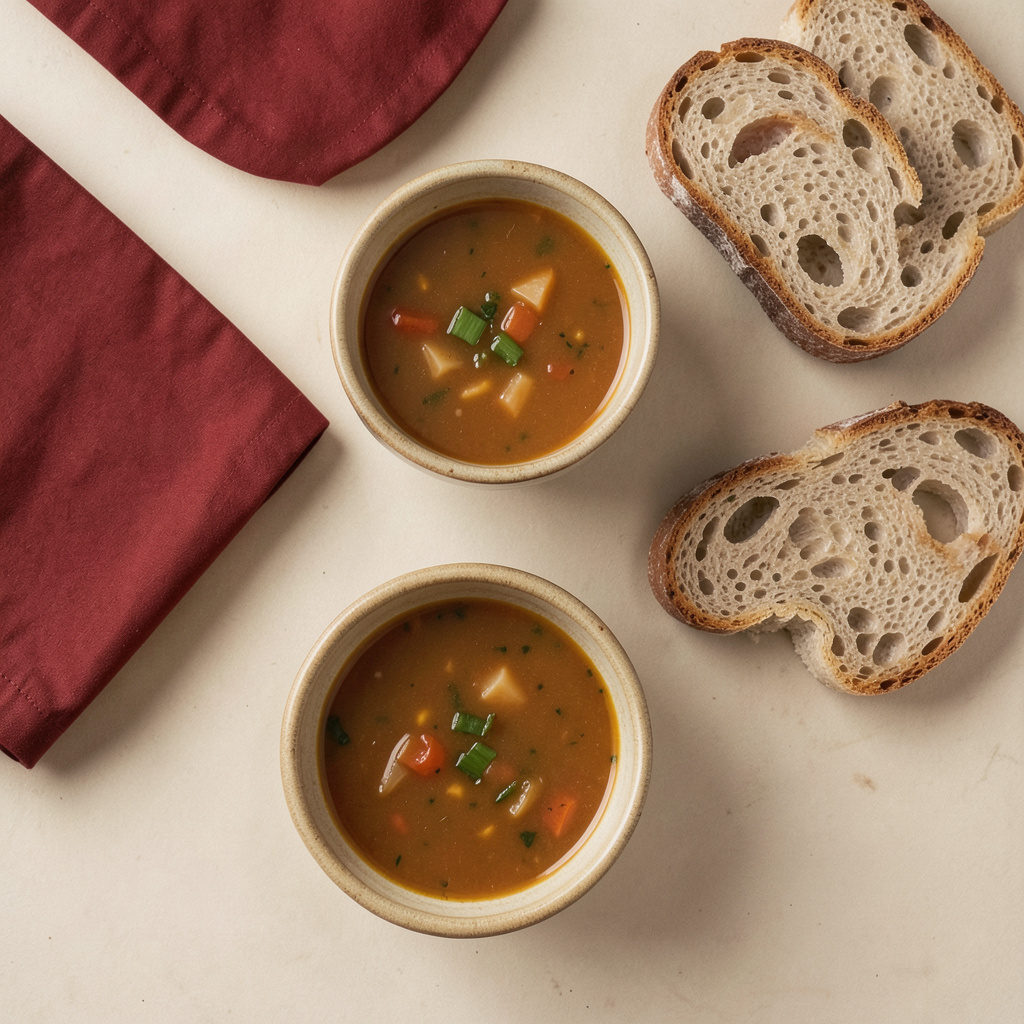
Ladle the grits into warm bowls and arrange the roasted mushrooms over the surface. Spoon some of the mushroom juices across the grains before adding the remaining grated cheddar. Fresh parsley or chives bring a green note, while a final grind of black pepper sharpens the sweetness of the corn.
Serve the bowls straight away, when the contrast between the crisp mushrooms and warm cheddar is strongest. A dressed green salad or roasted seasonal vegetables make sensible companions, but the mushrooms already provide enough colour and texture. For an Australian-style weekend breakfast, a long black coffee alongside keeps the meal grounded and balanced.
A glossy finish can make even a simple dish feel carefully prepared. This guide to a mirror glaze technique illustrates the appeal of a clean sheen, although the savoury richness here comes from the mushroom juices and melted cheese rather than sugar.
The grain base can be adapted when you want a different pace or texture, but each one needs its own liquid ratio.
| Grain base | Starter liquid per 200 g | Typical cooking time | Result in the bowl |
|---|---|---|---|
| Quick-cooking grits | 500–600 mL | 8–12 minutes | Soft and creamy with a mild corn flavour |
| Stone-ground grits | 700–800 mL | 25–35 minutes | Rich, earthy and slightly textured |
| Pearl barley | 650–750 mL | 30–40 minutes | Chewy, nutty and more substantial |
| Quick-cooking polenta | 600–700 mL | 12–18 minutes | Smooth, mellow and delicately creamy |
For the most rewarding result, begin with the mushrooms, allow them to colour properly and add the cheese only after the grains have finished cooking. Make the batch for a warming breakfast, brunch with friends or an easy dinner, then serve it piping hot with the final cheddar scattered generously over the top.
From the kitchen
Stay close to the kitchen
Sign up for occasional notes, seasonal recipes, and gentle reminders to cook something good.