Enticing Healthy Eating is a quiet corner of the web devoted to good food made simply.
The site gathers recipes, ingredient notes, and gentle guidance for anyone who wants to bring a little more nourishment to the table. Browse at your own pace, and take what serves you.
How to cook rolled oats on the stovetop
Rolled oats are one of the most useful pantry grains for a quick Australian breakfast. They keep the satisfying chew of whole oats, cook in minutes and accept everything from cinnamon and berries to mushrooms and herbs. A bag from Coles or Woolworths also makes a reliable standby when the morning schedule is moving faster than planned.
A direct stovetop method skips both an overnight soak and a slow cooker. The pan stays under your control, the texture is easier to adjust and the whole job can be finished before the kettle has boiled twice. It suits commuters in Melbourne, Sydney and Brisbane who want something warming without preparing breakfast the night before.
For a single serving, use 40 g (about half a cup) of traditional rolled oats, 250 ml of milk or water, and a pinch of fine salt. The basic sequence is simple: warm the oats briefly, add liquid, simmer gently, then let the porridge rest for two minutes before adding toppings.
The result is creamy in the middle while the oats still retain a little texture. Because it comes together in one saucepan, it also works for an easy lunch bowl or a batch beside savoury toppings. The measurements below are forgiving, and small adjustments can suit personal preferences without turning breakfast into a complicated task.
A reliable stovetop method
Measure the oats before the heat goes on. For one portion, put 40 g of traditional rolled oats into a small saucepan. Add 250 ml of milk, water, or a combination of both, plus a pinch of salt. For a richer result, use one part milk and two parts water; this softens the oats without making the final bowl excessively rich.
Warm the dry oats first in the empty pan over medium heat for about one minute, stirring often. They should smell nutty but remain pale; golden patches can make breakfast taste bitter. Pour in the liquid, raise the heat until you see small bubbles around the edge, then lower it to a gentle simmer.
Simmer for five to seven minutes, stirring regularly so the base does not catch. The liquid will thicken and the oats will soften while keeping a slight bite. Turn off the heat, cover and stand for two minutes. Stir again, divide between bowls and finish with fruit, seeds or a spoonful of yoghurt.
Choose the right liquid ratio
Start with 250 ml of liquid for 40 g of oats, then adjust. Use 180 ml for a thick, spoonable porridge, especially with rolled oats that will continue swelling as they cool. Use 300 ml for a looser breakfast porridge or when cooking with strong-flavoured vegetable stock. Add extra liquid in small spoonfuls if the pan looks dry.
Texture also depends on how quickly the oats are brought to temperature. A hard boil can make the outside of each oat tough while the centre stays underdone, so keep the simmer gentle and scrape the bottom and sides. After resting, taste before adding salt or sweetener; a little tahini, nut butter or vanilla can balance the natural earthiness.
Compare the oat styles
Traditional rolled oats, quick oats and instant oats can appear in similar packaging, but they are not interchangeable if texture matters. Check the ingredient panel and product name, as “traditional” and “rolled” usually describe the fuller oat groat rather than a finely processed or pre-cooked flake.
| Style | Stovetop time | Texture | Best suited to |
|---|---|---|---|
| Traditional rolled oats | 5–8 minutes | Creamy with a light chew | Quick porridge with plenty of texture |
| Quick oats | 3–5 minutes | Softer and smoother | Creamy breakfast bowls |
| Instant oats | 1–3 minutes | Very soft and blended | Speedy meals or cooked oats |
| Steel-cut oats | 20–30 minutes | Firm, nutty and chewy | Long, slow-cooked breakfasts |
Rolled oats sit between steel-cut and instant oats in both texture and timing. They need enough simmering to soften but not so much that they collapse. If your local supermarket only stocks instant oats, they will cook quickly, yet they cannot recreate the subtle texture of a properly simmered bowl.
Build sweet and savoury bowls
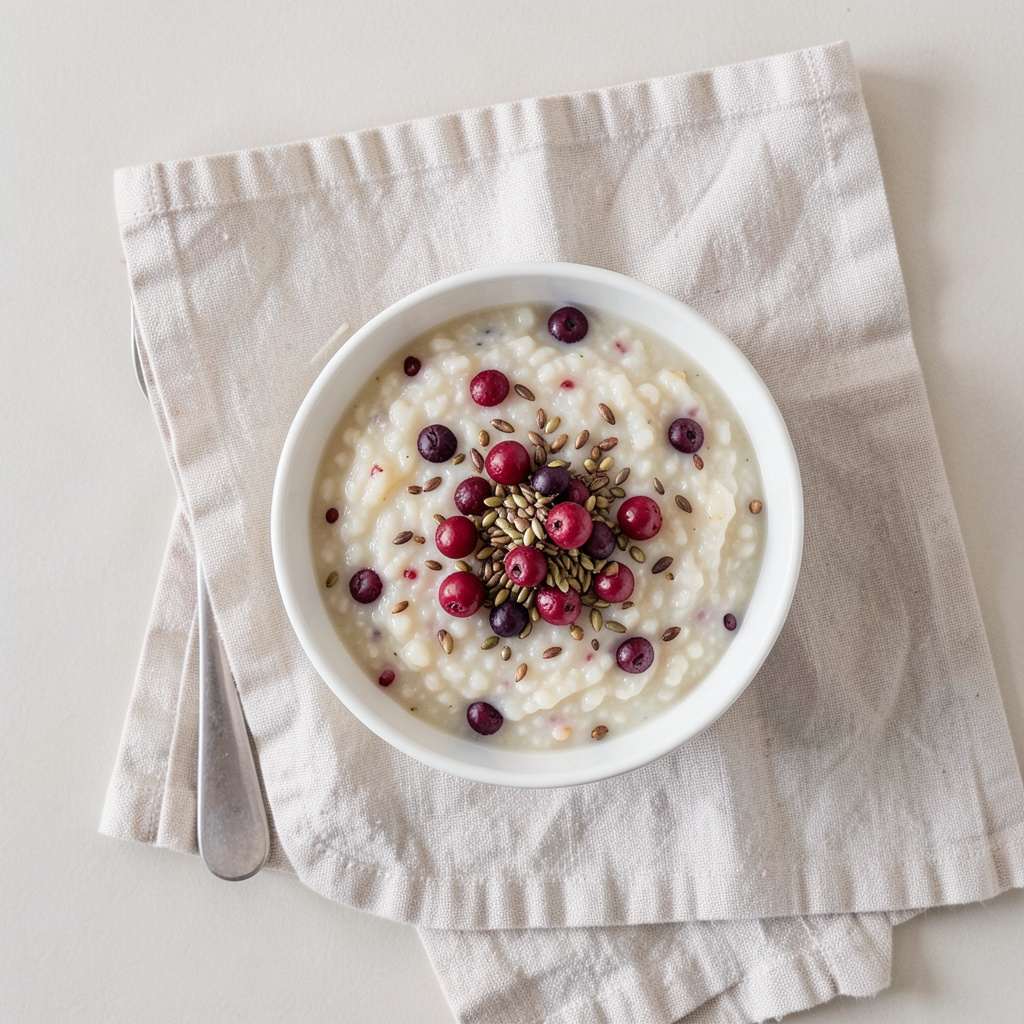
Build a sweet bowl after the heat is off so the toppings stay bright. Try apple and cinnamon with chopped walnuts, banana with peanut butter and a pinch of salt, or berries with yoghurt and seeds. At Queen Victoria Market in Melbourne, or at a growers’ market closer to home, choose seasonal fruit at its best; ripe stone fruit in summer can turn a simple bowl into a quick dessert-style breakfast.
For a savoury version, cook the oats in vegetable stock, then fold through wilted spinach, grated cheese or soft herbs. Add a fried egg for a substantial plate. The combination suits an Australian breakfast rhythm particularly well beside Vegemite on toast, with the porridge taking the role of the warm, filling bowl.
When cooking for a group, calculate servings before the pan goes on and keep extra milk or stock nearby. If the breakfast is part of a girls’ team sleepover or casual gathering, this pyjama party guide covers guest and timing ideas while the oats simmer. A wide serving spoon also makes the final portions easier to distribute.
Troubleshoot common problems
If the porridge thickens too quickly, add a splash of hot milk or water and stir over low heat for another minute. If it becomes gluey, move it off the heat immediately; a little extra liquid can loosen it, but prevention is easier. For runnier oats, use more liquid next time rather than trying to dilute a large batch after it has cooked.
Scrape the base and sides with a wooden spoon or silicone spatula, and use a pan large enough for the oats to spread out. Rolled oats can stick if the pan is crowded. Keep the heat low after the first simmer and avoid walking away while the liquid reduces. If a brown crust forms, transfer the porridge to a clean pan and add a little liquid rather than scraping burnt flakes into the bowl.
Make breakfast part of the daily rhythm
Make a small batch of plain porridge for the first two days, then add toppings only when serving. Refrigerate it promptly in a covered container and use within three to four days, following the storage guidance on your own oats. Reheat with a splash of liquid, keeping the pan on low so the oats do not catch. Freezing is also practical, although the texture will be softer after thawing.
For anyone with a diagnosed allergy or coeliac disease, read the pack carefully. Under Food Standards Australia New Zealand allergen-labelling rules, wheat and other relevant allergens must be identified when present. Oats are naturally gluten-free, but they can be exposed to gluten during growing or milling; choose a product specifically labelled gluten free if that applies to you, and seek individual medical advice when needed.
Keep a small box of rolled oats, a jar of seeds and some seasonal fruit ready for a fast breakfast. Save this stovetop method for mornings that need warmth without extra work, then add your favourite toppings and serve it straight from the pan.
From the kitchen
Stay close to the kitchen
Sign up for occasional notes, seasonal recipes, and gentle reminders to cook something good.