Enticing Healthy Eating is a quiet corner of the web devoted to good food made simply.
The site gathers recipes, ingredient notes, and gentle guidance for anyone who wants to bring a little more nourishment to the table. Browse at your own pace, and take what serves you.
Roasted broccoli and white bean soup with bright lemon
Some evenings call for a dinner that asks very little: one chopping board, one roasting tray, one pot. Roasted broccoli and white bean soup with lemon fits that brief. It turns a bag of market vegetables into something rich and comforting, and it reaches the table with the effort of a tin of beans, a wedge of lemon and whatever herbs are alive in the fridge.
The pleasure comes from contrast. Broccoli roasted until the edges catch turns sweet and faintly bitter, and it holds its shape in the bowl. White beans blended with stock make the broth silky and generous without a drop of cream. Lemon, added at the right moment, keeps everything awake. Yoghurt, parsley and a good hunk of bread are the final notes.
Australian kitchens make this easy in the cool half of the year. Broccoli florets are plentiful and reasonably priced through Coles and Woolworths, and Saturday growers' markets are thick with crates of them. Melbourne's Queen Victoria Market, Adelaide's Central Market and Sydney's weekend markets all sell broccoli with the stems on and the leaves still bright. Buy firm, dark green florets and pass over any that have begun to yellow.
You will not need a long ingredient list. White beans, broccoli, onion, garlic, stock and a lemon carry the dish, and the rest is method. How hot the oven runs, how dry the tray should be, and the order in which lemon and beans meet the pot matter more than anything expensive. Here is how to get the details right.
Why this soup earns a place in your weekly rotation
Weeknight cooking tends to fall into two camps: fast but bland, or generous but slow. This soup bridges the gap. The beans do the patient work while the oven handles the flavour, so the active cooking arrives in short bursts. Blend the pot, roast the tray, and dinner practically assembles itself while you hunt for the bowls.
It keeps well, which is the unglamorous reason a recipe becomes a habit. A pot of this eaten over two or three lunches beats buying lunch, and it travels to work without fuss. For a family it satisfies without leaving anyone pushing food around, and for guests a drizzle of good oil and a handful of herbs finish the job.
It suits the Australian weekend rhythm too. Sunday is roast day, and this makes a quiet companion to a joint of lamb: something warm and vegetable-heavy to begin with while the oven is already hot. If friends are coming over and the usual rule is to bring a bottle, a pot of soup sits well beside it.
Choosing beans and other pantry basics
Canned white beans are the workhorse. Cannellini, often sold as white kidney beans, are the classic pick, and every supermarket here stocks them in the tinned aisle beside the tomatoes and coconut milk. Butter beans are softer and starchier, chickpeas bring a nuttier flavour and a firmer bite, and dried beans soaked overnight cook to a creamier texture. Drain and rinse tinned beans well, and taste one to gauge the salt.
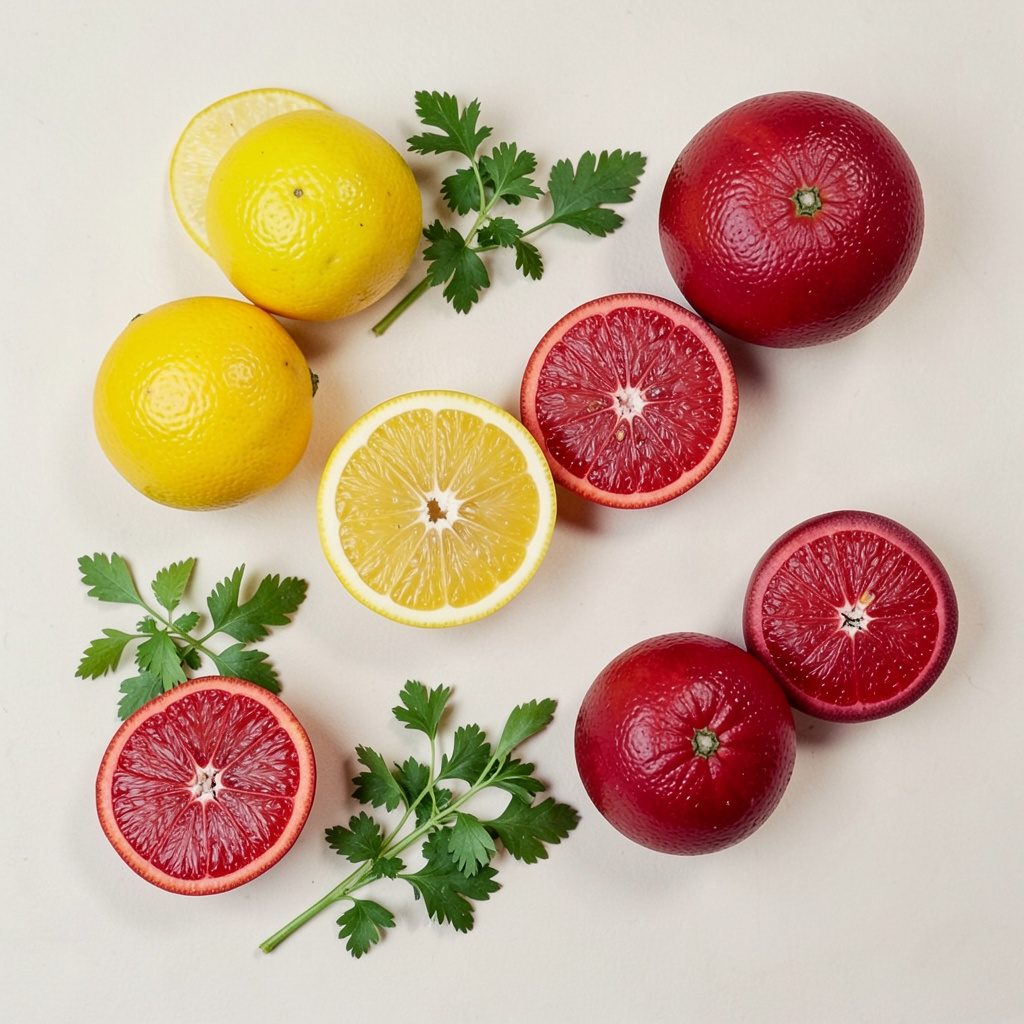
For the produce, look for a whole broccoli crown rather than a bag of florets, since the crown is cheaper and the stems peel into the soup like any other vegetable. A lemon with thin skin and heavy for its size gives both zest and juice, and a grapefruit works if you want a softer edge. Flat-leaf parsley, thyme and a good bottle of extra virgin olive oil complete the shopping.
| Bean | Texture in the pot | Flavour | Best use |
|---|---|---|---|
| Cannellini | Creamy, holds its shape | Mild and buttery | Silky broth without turning gluey |
| Butter beans | Soft and starchy | Very gentle | Thicker, more filling bowls |
| Chickpeas | Firm, slightly chalky | Nutty and earthy | Half a tin adds body and bite |
Whichever bean you choose, treat the tin liquid as seasoning rather than waste. A couple of tablespoons stirred back into the pot add body and a hint of salinity. Keep some beans whole until the final blend, so a spoonful of intact beans shows what you are eating.
Roasting the broccoli until it catches colour
Most Australian ovens run a fan, so drop the temperature about twenty degrees below a conventional recipe. Heat yours to 200°C fan-forced, or 220°C for a standard oven, and give it ten minutes to come up. A hot, empty tray gives you colour; a cold one holds moisture.
Cut the florets into similar-sized pieces so they roast at the same rate. Toss them with two tablespoons of olive oil, a good pinch of salt and cracked pepper, then spread them across the tray in a single layer with space between. Crowded florets steam and the ones underneath never brown. Roast for twenty to twenty-five minutes, turning once, until the edges are deep brown and a few spots have gone almost black.
Garlic added for the last five minutes turns sweet and mellow rather than burnt. Taste a floret as it leaves the oven. If it tastes flat, give it three more minutes; if it tastes sharp and acrid, pull it out sooner. Lemon zest can join the tray in the final minutes, perfuming the hot oil.
Building the broth and balancing the lemon
The base is simple, and it is where the seasoning lives. Sweat a diced onion, carrot and stick of celery in olive oil over low heat for ten minutes, until soft and sweet. Add sliced garlic and thyme for the last minute, pour in around 800 millilitres of vegetable stock, and let it reach a gentle simmer before adding the rinsed beans.
Blend with a stick blender in the pot, or work in two batches in a jug blender and return it to the heat. Blend until the soup looks creamy and leave some beans whole for texture. Over-blending is the usual mistake: a completely smooth purée reads as baby food. Keep the heat low while you work, because a boiling pot of purée spatters.
The lemon goes in at two stages, which is what separates a flat soup from a bright one. Add the zest of half a lemon to the pot during the last minutes of cooking so it infuses the broth, then squeeze in the juice of half to a whole lemon off the heat. Taste before and after: if the soup needs lift, more juice fixes it; if it tastes sharp, a splash of stock settles it back.
Serving, garnishing and making it go further
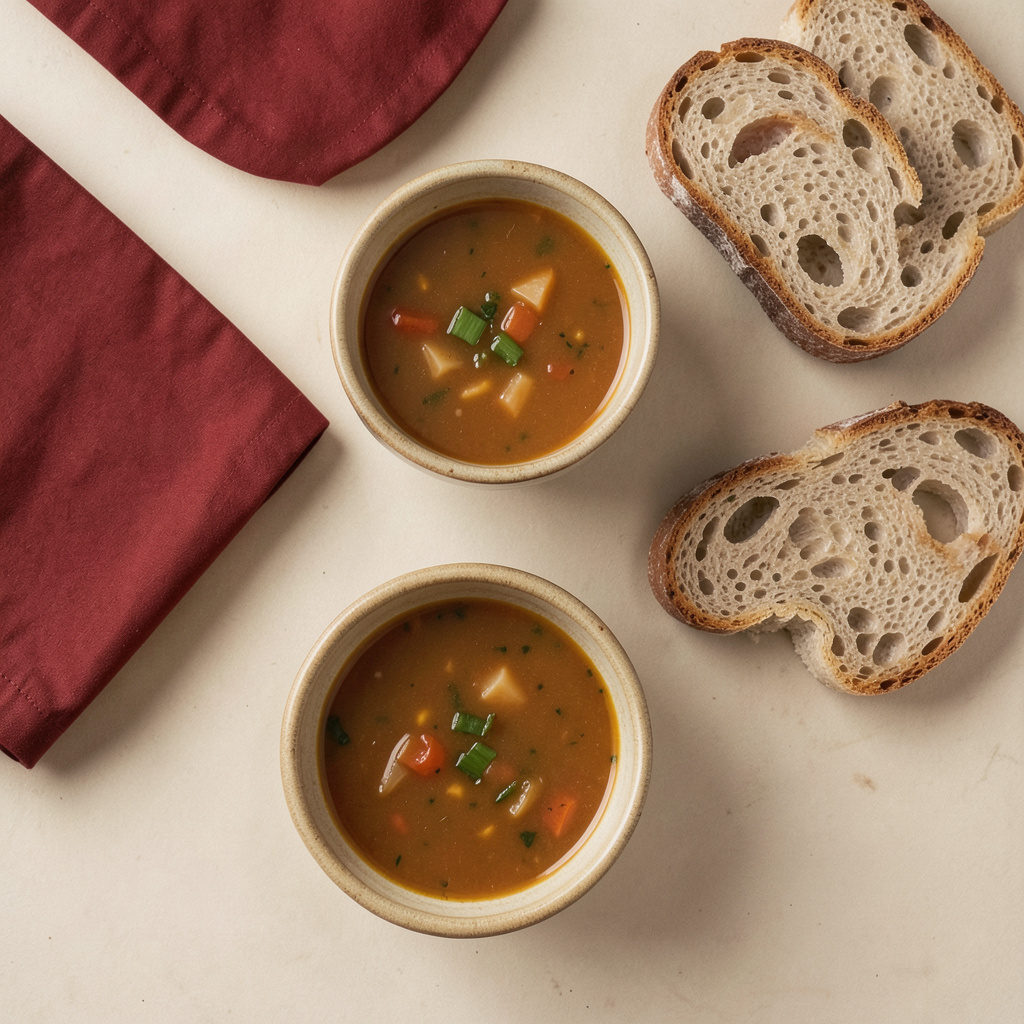
Spoon the soup into warm bowls and finish it properly. A swirl of plain yoghurt cools the surface, chopped parsley adds colour, and a thread of extra virgin olive oil carries the aroma of the broccoli upward. Toasted seeds or grated parmesan bring crunch and salt. Thick slices of sourdough, toasted and rubbed with cut garlic, mop up the last of the broth.
The recipe bends easily. Chopped kale or silverbeet can go into the pot in the final minutes, and grated carrot makes it sweeter for children who will not eat the florets. Leftover roasted broccoli is worth saving, stirred back in at the end to keep its texture. If you want something else in the oven at the same time, roasted cauliflower steaks with chimichurri share the same heat and the same generous attitude.
Pasta, rice or torn bread can turn the pot into a main course, though the soup is strong enough alone. It keeps four days in the fridge and freezes well in portions, so cook a double batch at the weekend. A freezer bag of soup ready for a lunchbox pays you back every Thursday.
Swapping the vegetables with the season
This soup is a template rather than a rule. Through the Australian summer, swap half the broccoli for courgette, capsicum or cherry tomatoes, adding the tomatoes at the end so they keep their shape. In winter, pumpkin, leek and cauliflower work beautifully, and a little grated nutmeg suits them. Fennel lends a mild liquorice sweetness.
I keep other sites bookmarked for days when the fridge looks bare. Danielle's vegetable kitchen is a reliable one to visit when a market haul needs a plan. It is good practice to buy what is seasonal and cheap rather than to plan the meal first and then hunt for ingredients. Broccoli at its peak needs very little to make it worthwhile.
For a crowd, double the recipe without doubling the work: roast two trays rather than one crowded tray, and keep the beans and stock in a larger pot. Serve small cups with cheese and crackers as people arrive, and let the main bowls follow. Soup settles a room faster than almost anything else you can put out.
Cook it, then keep the recipe close
This is one of those meals that rewards a little attention at the start and then hands you an easy night. Roast the broccoli hot, let the beans soften the broth, add the lemon with care. Serve it with good bread, keep yoghurt and parsley on the side, and let people help themselves.
If you enjoy cooking like this, subscribe to Enticing Healthy Eating for a fresh recipe each week, save this one to your favourites, and print the version you want propped against the kettle. Send it to whoever cooks most often in your household. Tell us in the comments which beans you used and what you swapped in, because the variations often outgrow the original.
Before you close the page, put a tin of beans and a lemon on the shopping list and set the oven to 200°C fan-forced. Forty minutes from now, the kitchen will smell of garlic and roasted broccoli, and dinner will be waiting.
From the kitchen
Stay close to the kitchen
Sign up for occasional notes, seasonal recipes, and gentle reminders to cook something good.