Enticing Healthy Eating is a quiet corner of the web devoted to good food made simply.
The site gathers recipes, ingredient notes, and gentle guidance for anyone who wants to bring a little more nourishment to the table. Browse at your own pace, and take what serves you.
Easy Stovetop Macaroni and Cheese with Hidden Veggies
A creamy bowl of macaroni and cheese can be a comforting family dinner without relying on a packet mix or a heavy oven-baked sauce. This stovetop version blends vegetables into the cheese sauce, creating a smooth, colourful meal with familiar flavour and plenty of room for seasonal adjustments.
The method suits busy Australian evenings, whether dinner is being made after a Melbourne commute, between activities in Brisbane, or during a warm night in Perth when turning on the oven feels unnecessary. The vegetables soften in one saucepan, the pasta cooks separately, and everything comes together in roughly half an hour.
Why this family dinner works
The vegetables are cooked until tender, then blended with milk and cheese before being stirred through the macaroni. This gives the sauce a naturally sweet flavour and velvety texture while making use of produce that may be sitting in the crisper drawer. Carrot, pumpkin, cauliflower and zucchini are especially useful because they soften quickly and have gentle flavours.
A small amount of mustard, garlic and paprika keeps the sauce savoury rather than bland. The cheese still provides the taste people expect from classic macaroni cheese, while the vegetables add colour, fibre and useful nutrients. For younger eaters, the smooth sauce can be an easier way to accept vegetables than a plate of plainly steamed produce.
This recipe makes four generous serves or six smaller portions. It is suitable for a relaxed family dinner, a make-ahead lunch, or a freezer-friendly meal for those weeks when cooking from scratch needs to be simple.
Choosing the vegetables and pantry staples
Use about three cups of chopped vegetables in total. A combination of one carrot, one small zucchini and two cups of cauliflower creates a pale orange sauce with a mild flavour. Pumpkin works well too, especially Kent pumpkin, which is widely available in Australian supermarkets and greengrocers. Sweet potato gives the sauce a deeper colour and slightly sweeter taste.
Fresh or frozen vegetables can be used. Frozen cauliflower and peas are convenient options when fresh produce is expensive or unavailable, while leftover roasted pumpkin can be blended straight into the sauce. Remove excess moisture from zucchini by squeezing it lightly in a clean tea towel; this keeps the sauce thick.
For the pasta, regular elbow macaroni is an easy choice, although small shells, spirals or wholemeal macaroni will also work. Choose a tasty cheddar for a familiar Australian flavour, or combine cheddar with a little parmesan for extra savouriness. Full-cream milk produces the creamiest result, but reduced-fat milk is suitable if the flour and cheese are measured carefully.
Building a smooth cheese sauce
Start with two tablespoons of butter in a medium saucepan over medium heat. Add one finely chopped garlic clove and the diced vegetables, then cook for five to seven minutes until they begin to soften. Stir often so the garlic does not brown. Add 500 ml of milk, bring it just to a gentle simmer, and cook until the vegetables are completely tender.
Blend the mixture with a stick blender until smooth, or transfer it carefully to a heatproof blender. If using a blender, allow steam to escape and avoid sealing hot liquid inside a closed container. Return the puree to the saucepan and whisk in two tablespoons of plain flour mixed with a little cold water. This small slurry helps the sauce thicken without creating floury lumps.
Reduce the heat before adding two cups of grated cheese. Stir gradually until melted, then add half a teaspoon of Dijon mustard, a pinch of sweet paprika, black pepper and salt to taste. A spoonful of cream cheese can make the sauce extra silky, though it is optional. Keep the heat low once the cheese is added, because vigorous boiling can make a cheese sauce grainy.
| Ingredient or choice | Amount or option | Useful adjustment |
|---|---|---|
| Elbow macaroni | 350 g dry | Use shells or wholemeal pasta |
| Mixed vegetables | 3 cups chopped | Try carrot, zucchini, cauliflower or pumpkin |
| Milk | 500 ml | Full-cream gives the richest texture |
| Tasty cheddar | 2 cups grated | Add parmesan for stronger flavour |
| Butter | 2 tablespoons | Olive oil can be used, with a slightly different taste |
| Dijon mustard | ½ teaspoon | Omit for a very mild sauce |
| Flour | 2 tablespoons | Mix with cold water before adding |
| Optional topping | Chives or parsley | Add fresh colour before serving |
Cooking the pasta and bringing it together
Cook the macaroni in a large pot of salted boiling water until just tender. Check the packet timing and drain it one minute before the suggested finish, as the pasta will continue softening when folded through the hot sauce. Reserve half a cup of pasta water before draining; a splash can loosen the sauce if it becomes too thick.
While the pasta cooks, keep the blended vegetable sauce warm over low heat. Add the drained macaroni directly to the saucepan and stir gently until every piece is coated. If the mixture looks stiff, add reserved pasta water one tablespoon at a time. The finished consistency should be creamy and spoonable rather than runny.
Taste before serving. Extra mustard can sharpen a mild sauce, while a little smoked paprika adds depth without heat. For adults, cracked pepper, chilli flakes or finely chopped spring onion can be added at the table so the main dish remains suitable for children.
Making it work with Australian routines
This stovetop meal fits well with the way many Australian households shop and cook: buying fresh vegetables during a weekly Coles, Woolworths or local grocer run, then using pantry pasta and dairy to stretch them into dinner. Farmers’ markets in Adelaide, Canberra and regional towns may offer excellent seasonal zucchini, pumpkin and cauliflower, while frozen vegetables remain a practical choice during busy weeks.
Food labelling in Australia is regulated through the Australia New Zealand Food Standards Code, so packaged ingredients display allergen information in a consistent format. Check labels on stock, mustard, flavoured cheeses and plant-based milks if cooking for someone with a food allergy. Wheat and milk are the key allergens in the standard version; use gluten-free pasta and a suitable dairy-free cheese alternative when required.
The recipe can be adapted for different household habits. Add peas during the final minute of pasta cooking, fold through shredded leftover roast chicken, or serve smaller portions with sliced cucumber and tomato. In warmer places such as Darwin or the northern Queensland coast, a simple salad may feel better than extra cooked vegetables. In cooler Hobart or Canberra weather, the macaroni can be served with steamed greens.
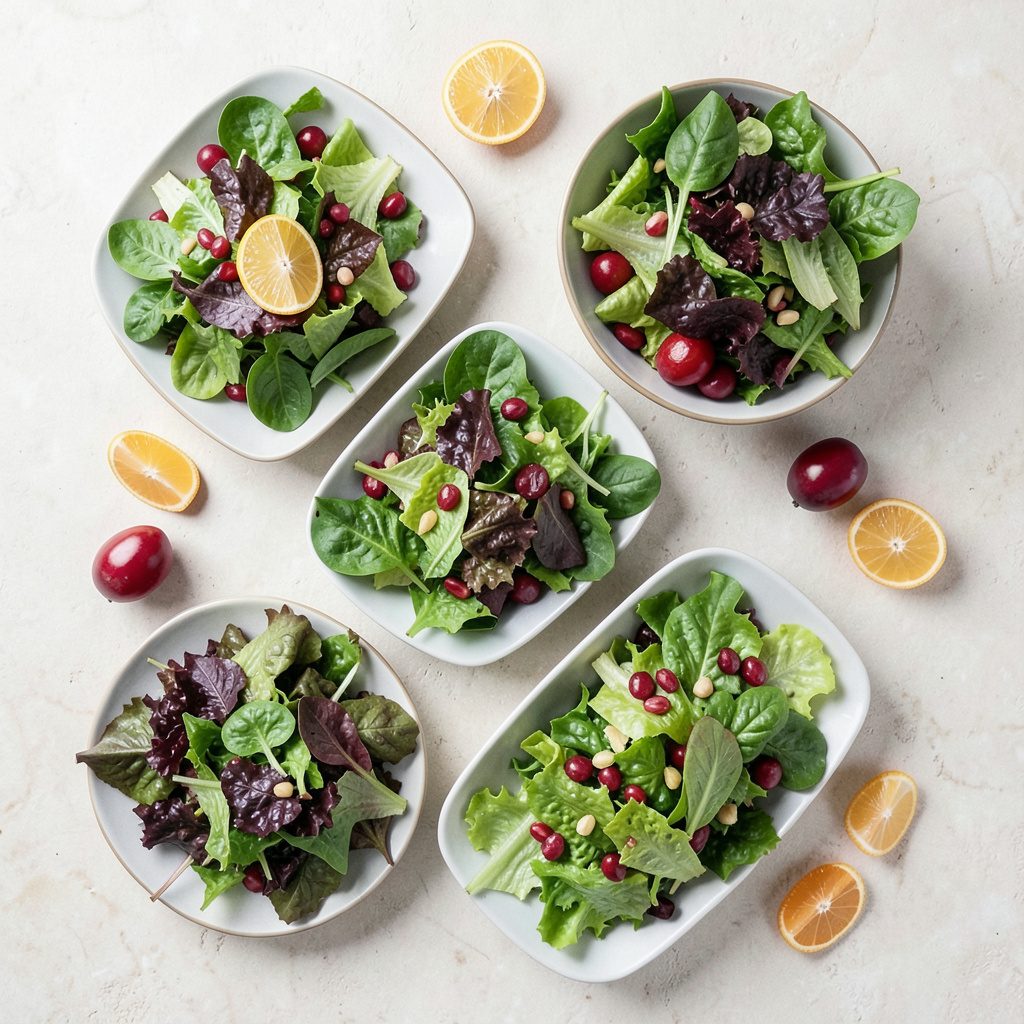
For a fresh side with a sharper flavour, pair the creamy pasta with garlic balsamic greens. The slight acidity balances the rich cheese sauce and makes the meal feel more complete.
Storing, reheating and changing the recipe
Leftovers keep in an airtight container in the refrigerator for up to three days. The pasta will absorb some of the sauce as it stands, so reheat it gently in a saucepan with a splash of milk. Stir frequently and stop heating as soon as it is hot; prolonged cooking can make the sauce separate.
For freezer storage, cool the macaroni promptly, divide it into portions and freeze in suitable containers for up to two months. Thaw overnight in the refrigerator and reheat with a little milk. The texture may be softer after freezing, but the flavour remains satisfying. Freezing the sauce separately from freshly cooked pasta gives a smoother result if you are preparing ahead.
There are plenty of easy variations. Blend in roasted red capsicum for sweetness, use cannellini beans for extra body, or replace some of the cheese with nutritional yeast for a lighter dairy-free version. A topping of toasted breadcrumbs adds crunch, although the recipe needs no oven to be comforting and complete.
Make this hidden-vegetable macaroni part of your regular weeknight rotation: gather the produce, grate the cheese and cook a creamy homemade dinner in one straightforward session. Save the recipe with your seasonal favourites and return to it whenever a nourishing bowl of comfort food is needed.
From the kitchen
Stay close to the kitchen
Sign up for occasional notes, seasonal recipes, and gentle reminders to cook something good.